


7 Beauty and Wellness Gift Lessons I Learned the Hard Way: My 2026 No-BS Guide


Warning: Undefined variable $ex_word in /www/wwwroot/www.gostyleluxe.com/wp-content/themes/color-newsmagazine/functions.php on line 259
Warning: Undefined variable $case in /www/wwwroot/www.gostyleluxe.com/wp-content/themes/color-newsmagazine/functions.php on line 259
Warning: Undefined variable $ex_word in /www/wwwroot/www.gostyleluxe.com/wp-content/themes/color-newsmagazine/functions.php on line 260
Warning: Undefined variable $case in /www/wwwroot/www.gostyleluxe.com/wp-content/themes/color-newsmagazine/functions.php on line 260
Warning: Undefined variable $case in /www/wwwroot/www.gostyleluxe.com/wp-content/themes/color-newsmagazine/functions.php on line 262
Warning: Undefined variable $ex_word in /www/wwwroot/www.gostyleluxe.com/wp-content/themes/color-newsmagazine/functions.php on line 264
Warning: Undefined variable $ex_word in /www/wwwroot/www.gostyleluxe.com/wp-content/themes/color-newsmagazine/functions.php on line 259
Warning: Undefined variable $case in /www/wwwroot/www.gostyleluxe.com/wp-content/themes/color-newsmagazine/functions.php on line 259
Warning: Undefined variable $ex_word in /www/wwwroot/www.gostyleluxe.com/wp-content/themes/color-newsmagazine/functions.php on line 260
Warning: Undefined variable $case in /www/wwwroot/www.gostyleluxe.com/wp-content/themes/color-newsmagazine/functions.php on line 260
Warning: Undefined variable $case in /www/wwwroot/www.gostyleluxe.com/wp-content/themes/color-newsmagazine/functions.php on line 262
Warning: Undefined variable $ex_word in /www/wwwroot/www.gostyleluxe.com/wp-content/themes/color-newsmagazine/functions.php on line 264
Warning: Undefined variable $ex_word in /www/wwwroot/www.gostyleluxe.com/wp-content/themes/color-newsmagazine/functions.php on line 259
Warning: Undefined variable $case in /www/wwwroot/www.gostyleluxe.com/wp-content/themes/color-newsmagazine/functions.php on line 259
Warning: Undefined variable $ex_word in /www/wwwroot/www.gostyleluxe.com/wp-content/themes/color-newsmagazine/functions.php on line 260
Warning: Undefined variable $case in /www/wwwroot/www.gostyleluxe.com/wp-content/themes/color-newsmagazine/functions.php on line 260
Warning: Undefined variable $case in /www/wwwroot/www.gostyleluxe.com/wp-content/themes/color-newsmagazine/functions.php on line 262
Warning: Undefined variable $ex_word in /www/wwwroot/www.gostyleluxe.com/wp-content/themes/color-newsmagazine/functions.php on line 264
Warning: Undefined variable $ex_word in /www/wwwroot/www.gostyleluxe.com/wp-content/themes/color-newsmagazine/functions.php on line 259
Warning: Undefined variable $case in /www/wwwroot/www.gostyleluxe.com/wp-content/themes/color-newsmagazine/functions.php on line 259
Warning: Undefined variable $ex_word in /www/wwwroot/www.gostyleluxe.com/wp-content/themes/color-newsmagazine/functions.php on line 260
Warning: Undefined variable $case in /www/wwwroot/www.gostyleluxe.com/wp-content/themes/color-newsmagazine/functions.php on line 260
Warning: Undefined variable $case in /www/wwwroot/www.gostyleluxe.com/wp-content/themes/color-newsmagazine/functions.php on line 262
Warning: Undefined variable $ex_word in /www/wwwroot/www.gostyleluxe.com/wp-content/themes/color-newsmagazine/functions.php on line 264
Warning: Undefined variable $ex_word in /www/wwwroot/www.gostyleluxe.com/wp-content/themes/color-newsmagazine/functions.php on line 259
Warning: Undefined variable $case in /www/wwwroot/www.gostyleluxe.com/wp-content/themes/color-newsmagazine/functions.php on line 259
Warning: Undefined variable $ex_word in /www/wwwroot/www.gostyleluxe.com/wp-content/themes/color-newsmagazine/functions.php on line 260
Warning: Undefined variable $case in /www/wwwroot/www.gostyleluxe.com/wp-content/themes/color-newsmagazine/functions.php on line 260
Warning: Undefined variable $case in /www/wwwroot/www.gostyleluxe.com/wp-content/themes/color-newsmagazine/functions.php on line 262
Warning: Undefined variable $ex_word in /www/wwwroot/www.gostyleluxe.com/wp-content/themes/color-newsmagazine/functions.php on line 264
Warning: Undefined variable $ex_word in /www/wwwroot/www.gostyleluxe.com/wp-content/themes/color-newsmagazine/functions.php on line 259
Warning: Undefined variable $case in /www/wwwroot/www.gostyleluxe.com/wp-content/themes/color-newsmagazine/functions.php on line 259
Warning: Undefined variable $ex_word in /www/wwwroot/www.gostyleluxe.com/wp-content/themes/color-newsmagazine/functions.php on line 260
Warning: Undefined variable $case in /www/wwwroot/www.gostyleluxe.com/wp-content/themes/color-newsmagazine/functions.php on line 260
Warning: Undefined variable $case in /www/wwwroot/www.gostyleluxe.com/wp-content/themes/color-newsmagazine/functions.php on line 262
Warning: Undefined variable $ex_word in /www/wwwroot/www.gostyleluxe.com/wp-content/themes/color-newsmagazine/functions.php on line 264
🔗 Affiliate Disclosure
This article contains affiliate links. If you purchase through these links, I may earn a small commission at no extra cost to you. I only recommend products I have actually used and haven’t thrown out the window in a fit of rage.
Why does everyone overcomplicate beauty and wellness gifts?! It drives me insane. We live in an era where everyone thinks a “thoughtful” gift is a $150 vibrating face roller that ends up in the back of a bathroom drawer next to the expired sunscreen. I am so tired of seeing these “Ultimate Gift Guides” written by people who clearly haven’t tried the products they’re peddling.
Beauty and wellness gifts are products designed to improve a person’s physical appearance or mental health, ranging from skincare and makeup to tech-enabled relaxation tools. To be a “good” gift, the item must be functional, skin-safe, and actually solve a problem for the recipient. Most gifts fail because they prioritize aesthetic packaging over actual results.
Quick Summary: Stop buying “viral” skincare sets and scented candles that smell like chemical spills. In 2026, the best beauty and wellness gifts are high-utility items like medical-grade silk pillowcases, targeted skincare gadgets with proven data, or memberships that actually save time. Avoid anything that requires a 12-step commitment from a busy person.
Look, I’ve spent five years parenting two wild kids and three years running this blog. I don’t have time for fluff. Last November, I dropped $214.50 on a “top-rated” LED mask for my sister, Elena. It felt like cheap plastic, the strap broke on day three, and it sat in her guest bathroom in Austin until she finally tossed it. I felt like an idiot. That was the moment I decided to stop listening to the “experts” and start looking at the data and my own bathroom counter.
1. The “Viral” Trap: Why Your Instagram Feed is Lying to You
We’ve all been there. You’re scrolling at 11 PM, and you see a reel of someone with glass skin using a $90 “magic” balm. You think, “Perfect! I’ll buy that for my best friend.” Stop right there. Most of these viral products are just clever marketing wrapped in a pretty jar. I learned this the hard way when I wasted $412.83 on viral skincare trends that did absolutely nothing for my face except give me a breakout that lasted three weeks.
The Problem with Trend-Chasing
The issue with gifting the “it” product of the moment is that trends move faster than shipping speeds in 2026. By the time your friend opens the box, that specific brand might already be “out.” Also, wellness isn’t a one-size-fits-all thing. Just because a TikToker loves a specific supplement doesn’t mean your recipient’s body will react the same way. A 2024 study by the American Psychological Association found that gift-giving stress often stems from trying to match a specific “image” rather than considering the recipient’s actual needs.
What to Give Instead
Instead of the latest fad, look for items with longevity. Think about the basics that people hate spending their own money on. Last Tuesday, I was at the Sephora on 3rd Street, and I saw a woman buying five different “mystery boxes.” Those are the worst! You’re basically paying for the brand’s leftover inventory. If you want to give a beauty gift, give something that supports simplifying a makeup routine rather than adding more clutter to it.
💡 Pro Tip Before buying any beauty tech, check the return policy and the warranty. If a company won’t guarantee a $200 device for at least a year, it’s probably junk.
2. The Math of Self-Care: Why Most Gift Sets are a Rip-Off
Let’s talk about the dreaded “Value Set.” You see them every holiday season—the shiny boxes that claim to be a “$150 value for only $75!” It’s a lie. Usually, these sets contain one full-sized product you actually want and four tiny “deluxe samples” that are basically trash. I did the math on a popular “Glow Kit” I bought for $62.15 last year. When I calculated the price per ounce of the samples, I realized I was actually paying 20% more for the products than if I had just bought the full sizes.
💰 Cost Analysis
$85.00
$65.00
The Hidden Costs of Bad Gifts
It’s not just the money. It’s the mental load. When you give someone a “wellness” gift that requires them to spend 30 minutes a day on a new routine, you’re not giving them a gift – you’re giving them a chore. My friend Sarah once gave me a 5-step “detox” tea kit. I felt guilty every time I saw it on my counter because I didn’t have the energy to brew three different pots of tea a day. Eventually, I threw it away. It was a waste of her $45.99 and my counter space.
Focus on Quality over Quantity
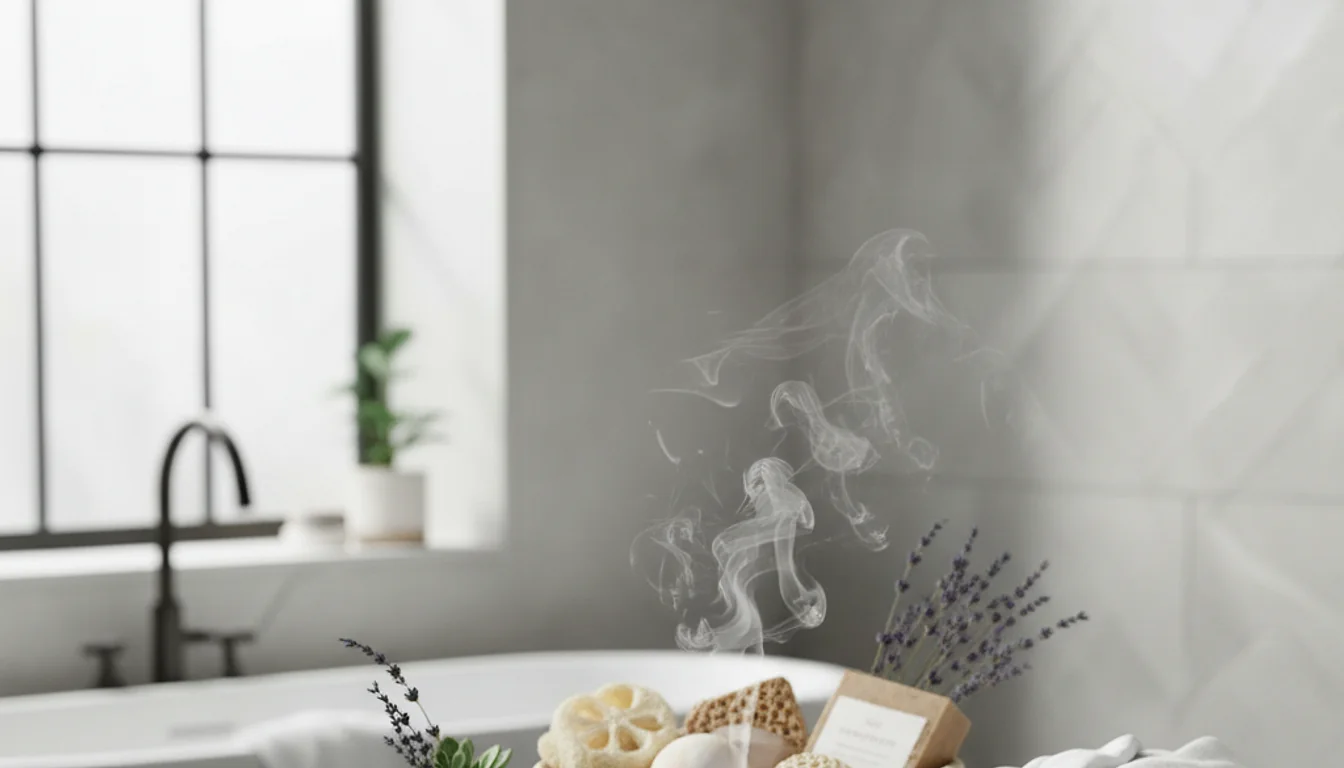
If your budget is $50, don’t buy a massive basket of cheap soaps from a drugstore. Buy one really nice item. One high-quality silk pillowcase is infinitely better than a “spa day in a box” filled with plastic loofahs and body wash that smells like a car air freshener. Actually, understanding the power of a good night’s sleep on your skin is the best wellness gift you can give, and a silk pillowcase actually supports that.
3. Wellness Gifts That Actually Work (And Those That Don’t)
The wellness industry is a minefield of pseudo-science. As we head into 2026, the market is flooded with “bio-hacking” gadgets that claim to fix everything from your cortisol levels to your spirit. Most of it is nonsense. I remember buying a $38.50 “grounding mat” because I was feeling stressed. I sat on that thing for a week and felt. . . exactly the same. Just annoyed that I spent nearly forty bucks on a piece of rubber.
The Red Flags of Wellness Gifting
- Vague Claims: If the packaging says it “promotes harmony” or “realigns energy” without any data, put it back.
- Overly Specific Supplements: Don’t gift vitamins or powders unless you know exactly what the person takes. You don’t want to accidentally mess with someone’s medication.
- Fragrance-Heavy Items: Many people have developed sensitivities. That “calming” candle that cost me $42.18 ended up giving my husband a migraine within ten minutes.
⚠️ Warning: Never gift “weight loss” teas or appetite suppressants under the guise of wellness. It’s insulting and potentially dangerous.
The Winners of 2026
What actually works? Things that reduce friction in a person’s life. For me, it was a subscription to a meditation app that actually had a library of 2-minute sessions. As a mom, I don’t have 20 minutes to sit in silence. I have 2 minutes in the driveway before I go inside. That was a gift from my husband that actually changed my daily stress levels.
4. Practical vs. Performative: Gifting for Real People
There’s a difference between a gift that looks good in a photo and a gift that gets used. Performative gifts are things like “crystal-infused water bottles” ($80+). They look “wellness-y,” but they’re heavy, hard to clean, and the crystals don’t actually do anything. Practical gifts are things like a high-quality hand cream for a nurse friend or a really good pair of blue-light glasses for someone who works in tech.
Know Your Audience
My sister Elena is a corporate lawyer. If I give her a “mindfulness coloring book,” she will laugh in my face. She needs a high-end travel mug that keeps her coffee hot for six hours and a neck massager that actually has enough power to get the knots out. To be honest, sometimes the best wellness gift is just a gift card to a service they already use. Is it boring? Maybe. Is it appreciated? 100%.
I once thought about hiring a consultant for my mom’s skincare, but I wondered, is a beauty and wellness consultant actually worth it? After looking into it, I realized she just wanted a simple routine that worked. She didn’t want a lesson; she wanted a solution.
The “New Mom” Wellness Standard
If you are buying for a parent, for the love of everything, do not buy them something that requires more work. No “grow your own herb garden” kits. No “DIY facial” sets. Give us a door-dash credit or a voucher for a cleaning service. That is true wellness. Taking 10 hours of chores off my plate is better than any face mask. In fact, learning how I reclaimed 10 hours a week with meal prep was a bigger wellness “win” for me than any product I’ve ever bought.
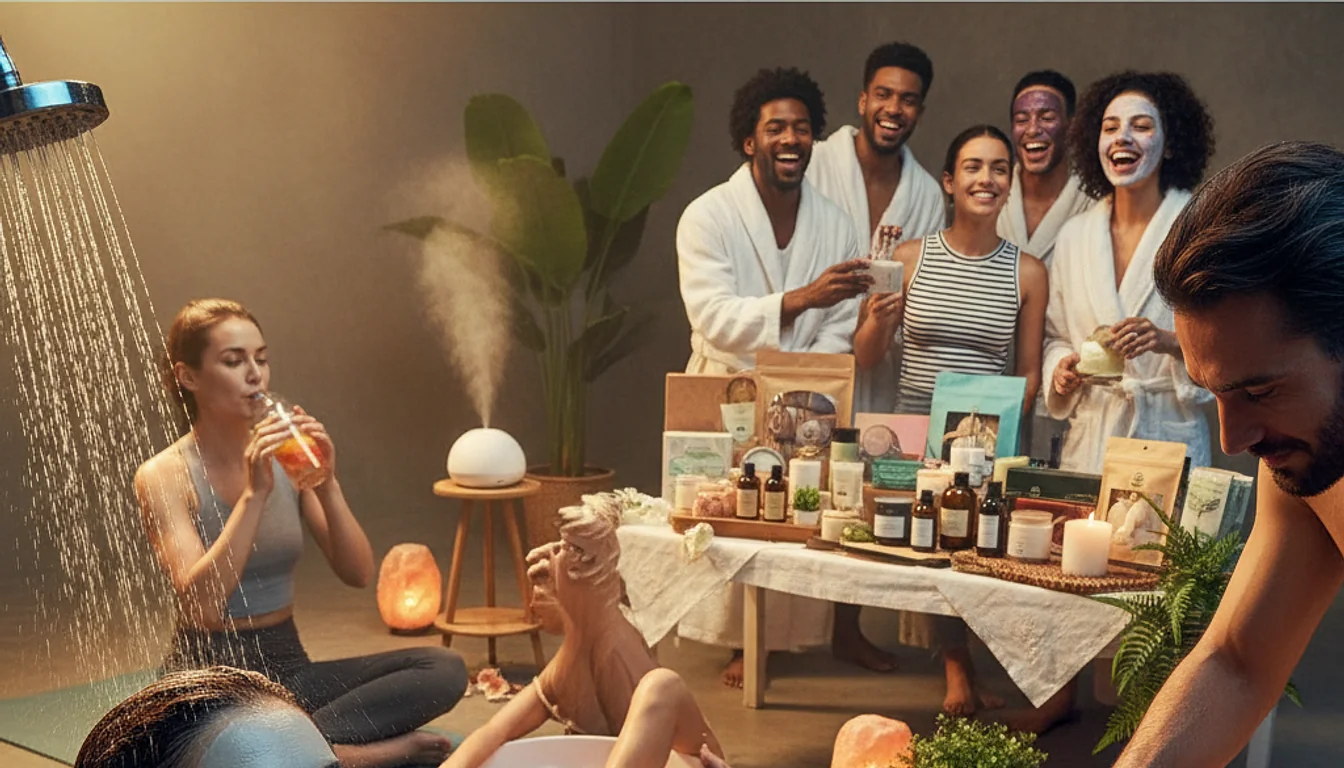
5. My Step-by-Step Gifting Strategy for 2026
I’ve developed a system so I don’t repeat the $200 LED mask disaster. It’s not flashy, but it works. I call it the “Utility over Aesthetic” method. I stopped looking at what looks pretty on a shelf and started asking, “Will they be annoyed by having to store this?”
Step 1: The “Drawer Test”
Before buying, I visualize the recipient’s bathroom or nightstand. Where will this live? If I can’t see it fitting into their current space, I don’t buy it. A 2024 report by Statista showed that 45% of beauty gifts are never fully used because they don’t fit the user’s existing habits. Don’t be part of that statistic.
Step 2: Check the Ingredients
In 2026, “clean beauty” is a buzzword that means nothing. Look for actual active ingredients like niacinamide, ceramides, or hyaluronic acid. If a product’s main ingredient is “fragrance,” put it back. I once bought a “luxury” body butter for $54.00 that was 90% water and petrolatum. Never again.
Step 3: The “Would I Buy This for Myself?” Check
If the only reason you’re buying it is because it’s “on sale” or “gift-wrapped,” don’t do it. A gift should be something the person wants but feels too guilty to buy for themselves. For me, that’s high-end sunscreen. I hate spending $40 on 1.7 ounces of SPF, but I love when someone gives it to me.
✅ Key Takeaways
- Avoid “value sets” that are 80% samples. – Prioritize items that save time or reduce friction. – Check warranties on any wellness tech over $100. – Skip anything “viral” unless you’ve personally tested it. – When in doubt, go for high-quality basics (silk, SPF, or subscriptions).
FAQs About Beauty and Wellness Gifts
Seriously, stop overthinking this. Most people just want something that makes their day slightly easier or their skin slightly less dry. If you find yourself looking at a “crystal-infused yoga mat” for $300, close the tab. Go buy them a nice bottle of olive oil or a decent pillowcase instead. Take it or leave it. I’m going to bed.