


7 Semi Formal Dress Lessons I Learned the Hard Way: My Honest 2026 Guide

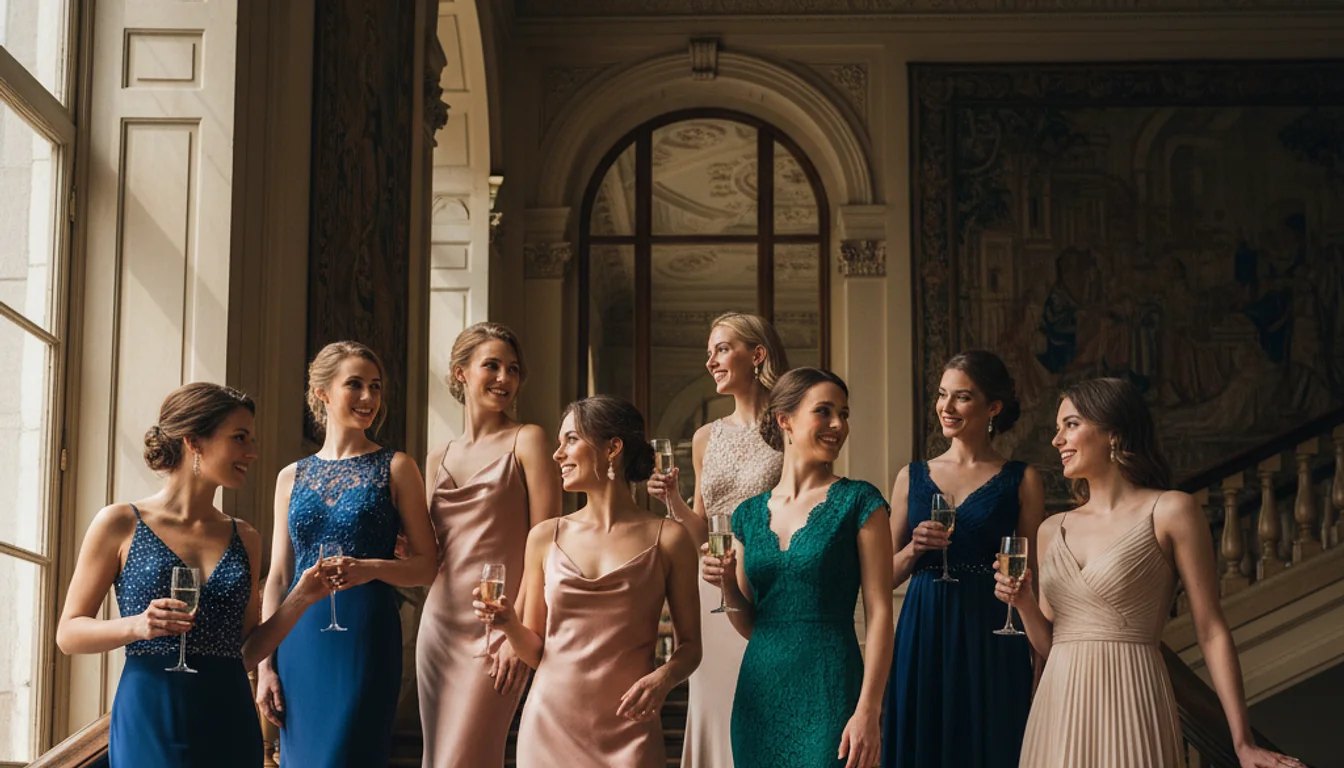
It was 2 AM, my coffee had gone cold, and I was still researching semi formal dresses. I had a wedding in Austin, Texas, coming up last October, and the invitation simply said “Semi-Formal.” I remember sitting on my living room floor, surrounded by three different delivery boxes, feeling completely defeated. Why is this dress code so hard to pin down? Is it a fancy sundress? A shorter evening gown? A glorified office outfit?
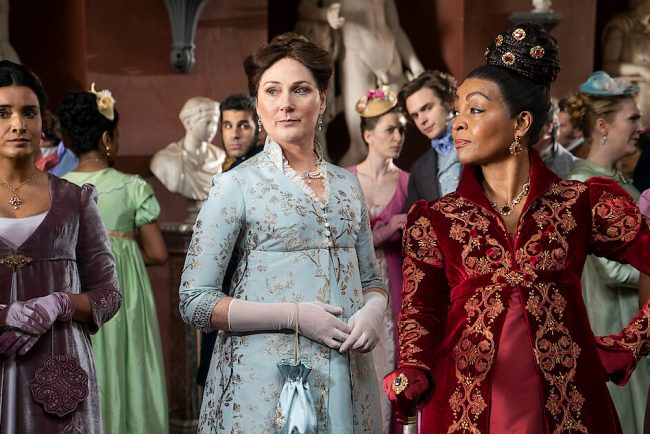
Semi formal dresses are versatile garments that bridge the gap between casual daywear and formal evening attire, typically characterized by knee-to-midi lengths and polished fabrics like silk or high-quality crepe. They are the standard choice for cocktail parties, daytime weddings, and upscale dinners where a full-length gown feels like too much, but jeans are a definite no. After five years of parenting and three years of blogging, I have realized that the “semi-formal” label is often a trap for the unprepared.
Quick Summary: Semi-formal is all about balance: choose midi or knee-length hemlines in elevated fabrics. Avoid floor-length gowns (too formal) and cotton jersey (too casual). For 2026, the “refined slip dress” paired with a structured blazer is the ultimate power move for versatility and comfort.
The $142.50 Mistake: Understanding the Semi-Formal Spectrum
Back in November 2024, I bought what I thought was the perfect semi-formal dress from a boutique in Glendale. It was a beautiful, structured shift dress in a bright floral print. I paid exactly $142.50. When I showed up to the event, I realized I looked like I was headed to a corporate brunch, while everyone else was in sleek, silky slips. I felt stiff and, honestly, a bit out of place. My friend Sarah actually asked if I had just come from a PTA meeting. Ouch.
What I learned that day is that “semi-formal” has a spectrum. A daytime wedding at a vineyard calls for lighter colors and softer silhouettes. An evening charity gala labeled “semi-formal” requires deeper tones and perhaps a bit of sparkle or shimmer. If you are ever in doubt, the “Midi Rule” is your best friend. A dress that hits between the knee and the ankle is almost always safe. According to a 2024 report by The Knot, nearly 66% of couples now choose semi-formal or cocktail attire for their guests, making it the most common dress code in the United States.
💡 Pro Tip If the event is after 6 PM, lean toward darker colors and heavier fabrics like satin or velvet. If it is before 4 PM, go with lighter tones and airy fabrics.
Fabric Truths: Why Your Choice Can Make or Break the Night
To be honest, I used to think a “pretty dress” was just a pretty dress. I was wrong. Last March, I wore a polyester blend dress to an outdoor spring mixer. Within twenty minutes, I was sweating, and the fabric was clinging to me in all the wrong places. It was a nightmare. Since then, I have become a total fabric snob. When you are looking for semi-formal attire, the material dictates the “formality” more than the cut does.
- Silk and Satin: These are the gold standard. They catch the light beautifully and instantly elevate a simple silhouette.
- Crepe: This is my personal favorite for 2026. It has a beautiful weight, doesn’t wrinkle easily (important for us moms!), and looks expensive.
- Lace: Great for weddings, but be careful. Too much lace can lean “mother of the bride” or “too casual” depending on the weave.
I once tried a budget route and ordered a few pieces online. If you’ve read my 7 Shein Clothing Lessons I Learned the Hard Way, you know that cheap synthetic fabrics often look shiny in a bad way under professional event lighting. For semi-formal events, your fabric choice acts as the foundation of your confidence.
💰 Cost Analysis
$42.00
The 2026 Perspective: Sustainability and the “Repeat” Culture
We are moving away from the “one-and-done” dress culture. In 2026, the trend is all about the investment piece. I used to feel embarrassed wearing the same dress to two different weddings in one season. Now? I wear it as a badge of honor. I have a navy blue tea-length dress from Anthropologie that cost me $168.00 back in 2025, and I have styled it four different ways since then.
Actually, finding high-quality pieces that fit well is even more important if you are shopping in specific categories. I spent a lot of time documenting this in my guide on whether plus size clothing is actually worth it, and the conclusion was the same: quality over quantity. A well-made dress in a classic cut will serve you better than five cheap ones that lose their shape after one wash.
Accessorizing: The Secret to Dressing “Down” a Formal Look
One of the biggest mistakes I see (and have made!) is over-accessorizing. If your dress is the star, let it shine. Last Tuesday, while prepping for a blog shoot, I realized that my best semi-formal looks were the ones where I kept the jewelry minimal. A pair of $38.99 gold hoops and a simple clutch can do more for a look than a heavy statement necklace.
Shoes are another sticking point. I once wore 4-inch stilettos to a garden wedding. I spent the entire afternoon sinking into the grass like a human lawn dart. It was totally embarrassing. For semi-formal events, especially in 2026, a block heel or a polished slingback is the way to go. You want to look like you are enjoying the party, not like you are counting the minutes until you can take your shoes off in the car.
⚠️ Warning: Never wear a floor-length gown to a semi-formal event. You will likely be mistaken for a member of the bridal party or the guest of honor, which is a major etiquette faux pas.
Common Pitfalls and How to Avoid Them
that said,, the road to the perfect outfit is paved with fashion disasters. I’ve learned that “semi-formal” does not mean “office wear with more jewelry.” I once wore a pencil skirt and a silk blouse to a cocktail party thinking I was being clever and sophisticated. I looked like I was headed to a board meeting. It lacked the “party” element that semi-formal requires.
Another mistake is ignoring the “Comfort Test.” If you can’t sit down, eat a full meal, or dance to “September” without fearing a wardrobe malfunction, it is not the right dress. I now perform a “3-minute dance test” in my bedroom with every new purchase. If the straps slip or the hem rides up too high, it goes back to the store. Trust me on this one.
“The best dress is the one you forget you’re wearing because you’re having too much fun.” – My Grandma (who was always the best-dressed woman in San Diego)
The Verdict: My Go-To Semi-Formal Strategy
If you are staring at an invitation right now and panicking, take a breath. Start with a midi-length dress in a solid, jewel-toned color (emerald, navy, or plum). Ensure the fabric has some sheen or weight to it. Pair it with a neutral block heel and a simple clutch. This formula has never failed me, whether I was at a high-end restaurant in Miami or a backyard wedding in the suburbs.
I used to spend hundreds on “trendy” pieces that felt dated within six months. Now, I focus on the “3-Year Rule.” If I can’t imagine myself wearing this dress in 2029, I don’t buy it. This mindset has saved me thousands of dollars and a lot of closet space. To be honest, I’m much happier with a small collection of dresses I love than a closet full of “maybe” outfits.
✅ Key Takeaways
- Aim for midi or tea-length hemlines for maximum versatility. – Prioritize fabrics like crepe, silk, or heavy satin over cheap synthetics. – Choose block heels for outdoor events to avoid sinking into the ground. – Follow the “3-Year Rule” to ensure your investment stays stylish. – When in doubt, navy or emerald green are the safest, most elegant color choices.
🔗 Affiliate Disclosure
This post contains affiliate links, which means I may receive a small commission, at no cost to you, if you make a purchase through a link. This helps me keep this blog running and sharing my honest experiences!
Turns out, I was overthinking it. Story of my life.