


How I Reclaimed 10 Hours a Week with Meal Prep: A No-BS 2026 Guide

Quick Summary: Meal prep isn’t about spending your entire Sunday making 15 identical Tupperware bowls of chicken and broccoli. In 2026, the most effective method is component prepping: preparing versatile bases (proteins, grains, washed greens) that allow you to assemble fresh meals in under 10 minutes. This approach reduces decision fatigue, cuts grocery bills by roughly 30%, and stops the “what’s for dinner” panic.
Let’s cut through the noise on meal prep. If you’ve spent any time on Instagram, you’ve seen the “perfect” meal preppers. You know the ones – 38 identical glass containers lined up on a marble countertop, filled with vibrant, perfectly portioned meals that somehow look just as good on Friday as they did on Sunday. To be honest, that version of meal prep makes me want to scream. It’s a performance, not a lifestyle.
I tried that “perfect” way back in November of 2024. I spent four hours on a Sunday afternoon roasting, steaming, and portioning. By Wednesday, the roasted zucchini had turned into a soggy, translucent mess, and the chicken breast was so dry I could have used it as a doorstop. I ended up throwing half of it away and ordering overpriced Thai food at 7:30 PM while my kids cried for chicken nuggets. It was a failure. I felt like a failure.
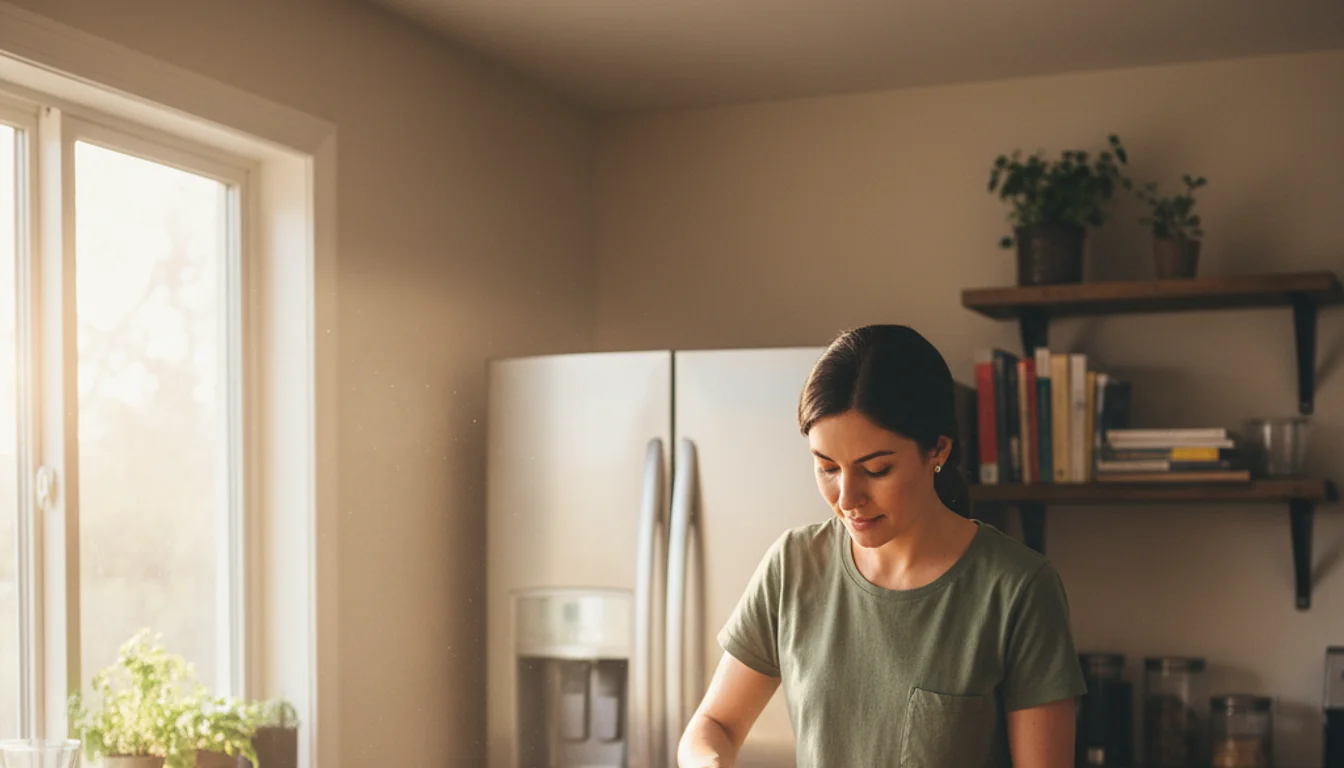
But then, things changed. Last Tuesday, around 2:30 PM, I was standing in my kitchen–which is currently a mess because we’re mid-toddler-tantrum season – and I realized I didn’t have that heavy weight in my chest about dinner. Why? Because I had a container of seasoned ground turkey, a bowl of pre-washed kale, and a jar of lemon-tahini dressing ready to go. Total assembly time: 4 minutes. No stress. No $60 UberEats bill.
that said,, I’m a pragmatist. I don’t have time for fluff, and I’m guessing you don’t either. Here is the real-world, skeptical guide to making meal prep actually work for a busy life in 2026.
The Component Strategy: Why Batch Cooking is Dead
The biggest lie we were told about meal prep is that you have to cook full recipes. You don’t. In fact, you shouldn’t. Cooking full recipes leads to “leftover fatigue,” where you’re so bored of the flavor profile by day three that you’d rather eat a shoe than another bite of that chili.
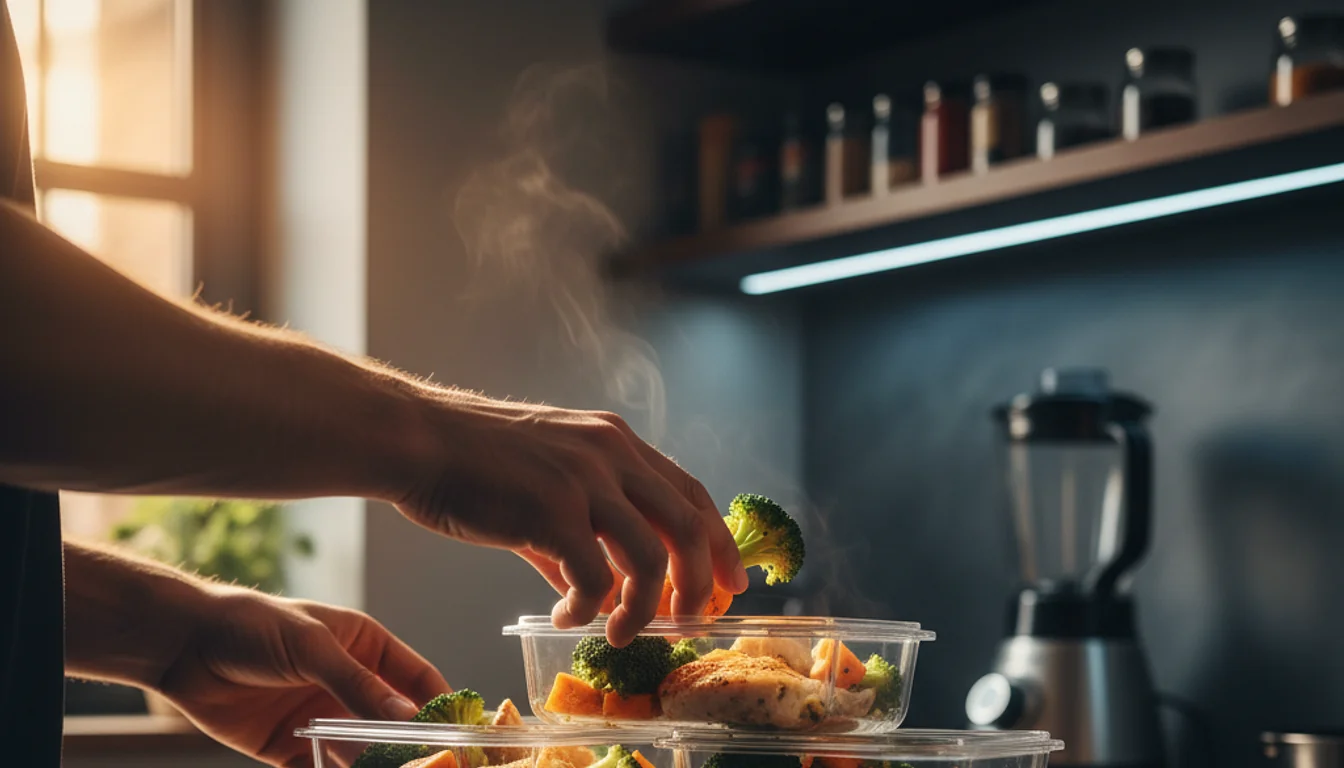
Instead, I use what I call “Component Prepping.” This means I spend about 90 minutes on Sunday afternoon preparing building blocks. I don’t make “dishes”; I make “parts.” I’m talking about a big batch of quinoa, roasted sweet potatoes, and maybe some marinated tofu or shredded chicken.
The “Mix and Match” Logic
From my personal perspective, the magic is in the versatility. If you have a bowl of roasted chickpeas and some pickled onions, you can make a Mediterranean bowl on Monday, a wrap on Tuesday, and a salad topper on Wednesday. You’re eating something “new” every day, but the hard work—the chopping, roasting, and cleaning—is already done. It’s a mental shift that saved my sanity.
💡 Pro Tip Always prep your “barrier” foods first. These are the items that prevent you from cooking because they take too long, like brown rice, roasted beets, or dried beans. If they are ready, the rest is easy.
The Financial Reality: Does It Actually Save Money?
I used to think meal prep was an expensive hobby for people who shopped exclusively at high-end organic markets. I was wrong. Last month, I did a deep dive into my spending. I realized I was falling for the healthy recipes lie that says every meal needs ten different “superfood” ingredients.
I did a grocery run at the Target in Echo Park last week. My total for a full week of prep ingredients was $42.18. If I had relied on my old food and drink near me strategy, I would have spent that much in just two days of “quick” lunches and one frantic weeknight dinner.
💰 Cost Analysis
$18.50
$3.80
According to a 2024 study published in the American Journal of Preventive Medicine, people who spend more time on home food preparation have higher quality diets and lower food costs. The data isn’t just about the price of the food; it’s about the “hidden costs” of convenience. When you aren’t prepared, you pay a “stress tax” in the form of delivery fees, tips, and high-margin prepared foods.
My 90-Minute Sunday Routine (Step-by-Step)
I’ve timed this. I’ve refined this. I don’t want to spend my whole Sunday in the kitchen–I want to be at the park with my kids or catching up on shows. Here is exactly how I do it. Actually, I usually start this around 4:00 PM when my husband takes over “kid duty.”
- The Oven Blast (0-10 mins): Preheat to 400°F. Chop two sheet pans worth of veggies (broccoli, cauliflower, peppers). Toss in olive oil, salt, and pepper. Slide them in.
- The Grain Train (10-15 mins): Get the rice cooker or a pot of water going. I usually do 2 cups of dry quinoa or farro. It’s hands-off once it starts.
- The Protein Prep (15-40 mins): While the veggies roast, I cook my main protein. Usually, this is 2 lbs of ground turkey with taco seasoning or a big batch of hard-boiled eggs in the air fryer.
- The “Wash and Dry” (40-60 mins): I wash all my greens (kale, spinach, romaine) and dry them completely. This is the secret to them not getting slimy. I use a salad spinner I bought for $15 at a garage sale three years ago.
- The Sauce Secret (60-75 mins): I make two sauces. One creamy (tahini-based) and one bright (chimichurri or vinaigrette). A good sauce makes a boring bowl feel like a $20 restaurant meal.
- The Clean Up (75-90 mins): Everything goes into containers. The kitchen gets wiped down. Done.
⚠️ Warning: Never put warm food into plastic containers and seal the lid immediately. The steam creates condensation, which is the #1 reason prepped food gets soggy and gross by Tuesday morning.
The Tools That Actually Matter
You don’t need a $500 blender or a vacuum sealer to do this right. To be honest, most “kitchen gadgets” are just clutter. that said,, there are three things I use every single week that make the process less of a chore.
I’ve tried the cheap sets from the dollar store. Don’t do it. They leak in your bag, they stain from tomato sauce, and the lids eventually warp in the dishwasher. I switched to glass and high-quality BPA-free plastic in late 2025, and I haven’t looked back.
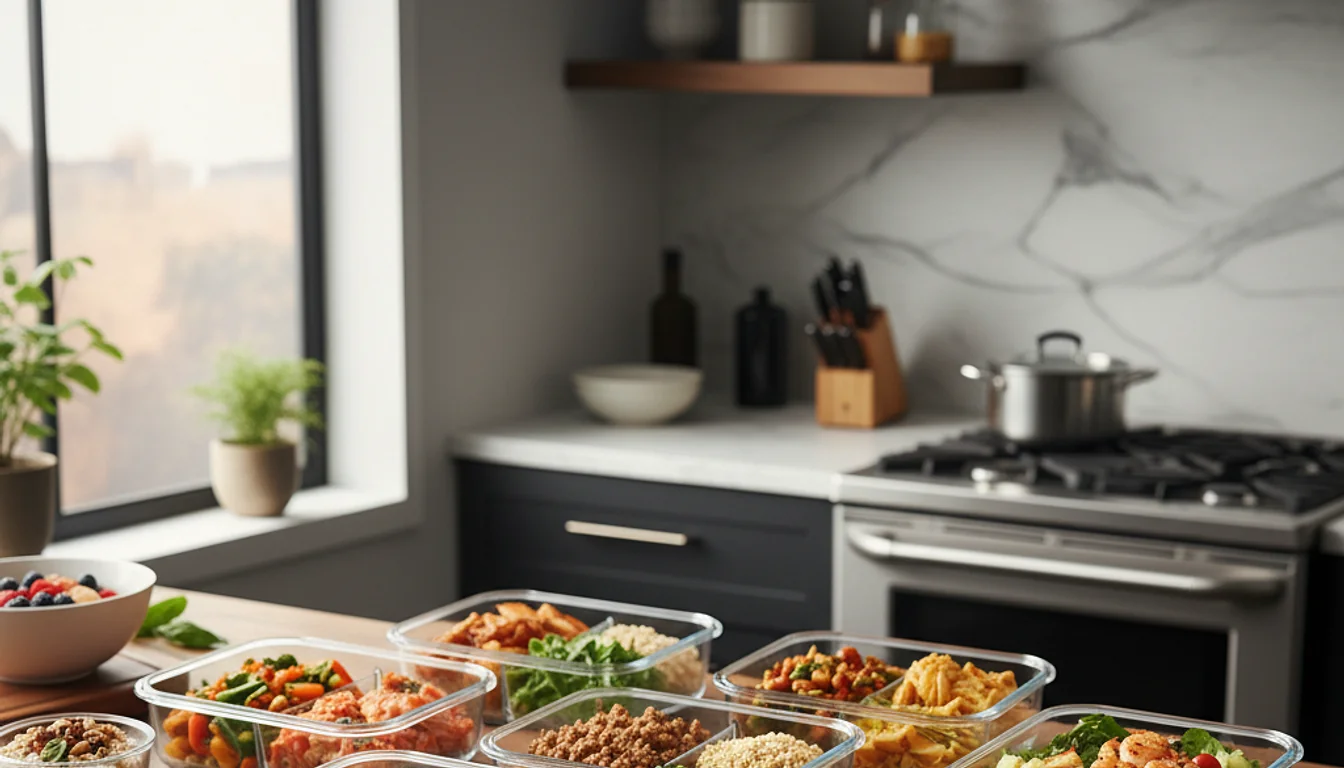
When I’m traveling with kids, I even bring a few of these along filled with pre-cut fruit. It saves me from the $9 airport fruit cups that are always 90% melon and 10% regret.
Avoiding the “Soggy Salad” Trap
The most common question I get on Instagram is: “How do you keep things fresh?” It’s a valid concern. No one wants to eat wilted spinach. Here’s what I’ve learned the hard way:
The Paper Towel Trick
I put a dry paper towel inside the container with my washed greens. It absorbs the excess moisture. I change the towel on Wednesday. It sounds like a small thing, but it keeps my spinach crisp for a full 7 days. I learned this from my friend Alex, who is a professional chef and a total stickler for food safety.
Don’t Dress Until You’re Ready
This seems obvious, but people still do it. Never, ever put dressing on a salad you aren’t eating within 20 minutes. Keep your sauces in small 2-oz jars (I use old baby food jars I cleaned out). It keeps the textures distinct and fresh.
The “Fresh Add” Rule
Every prepped meal needs one “fresh” element added right before eating. This could be a squeeze of fresh lime, a few slices of avocado, or some crunchy seeds. It tricks your brain into thinking the meal was just made from scratch.
🔗 Affiliate Disclosure
This article contains recommendations for products I personally use and love. If you purchase through my links, I may earn a small commission at no extra cost to you, which helps me keep this blog running without annoying pop-up ads.
Common Mistakes to Avoid
I’ve made them all. Truly. Here’s what you should avoid if you want to actually stick with meal prep for more than a week.
- Prepping too much: Don’t try to prep 21 meals. Start with just 5 lunches. If you over-prep, you’ll end up throwing food away, which defeats the whole purpose.
- Under-seasoning: Prepped food loses a bit of its “punch” in the fridge. Season your food 10% more than you think you need to.
- Ignoring the freezer: Your freezer is your best friend. If I see that I’m not going to eat the roasted chicken by Thursday, I toss it in the freezer for next week.
- Buying “aspirational” vegetables: Don’t buy eggplant if you don’t actually like eggplant. Stick to the stuff you know you’ll eat when you’re tired and cranky on a Wednesday night.
“The goal of meal prep isn’t to be a perfect chef; it’s to be a better friend to your future, hungrier self.” – My personal mantra during Sunday prep.
✅ Key Takeaways
- Focus on “Component Prepping” (bases and parts) instead of full recipes. – Invest in 5-10 high-quality, leak-proof glass containers. – Always include two flavorful sauces to prevent “leftover fatigue.” – Use the paper towel trick to keep greens fresh for 7+ days. – Start small: prep only 3-5 lunches for your first week.
The essentials: Prep components, not dishes. Keep it simple. Don’t aim for perfection. That’s it.