7 Room Decor Lessons I Learned the Hard Way: My Honest 2026 Guide

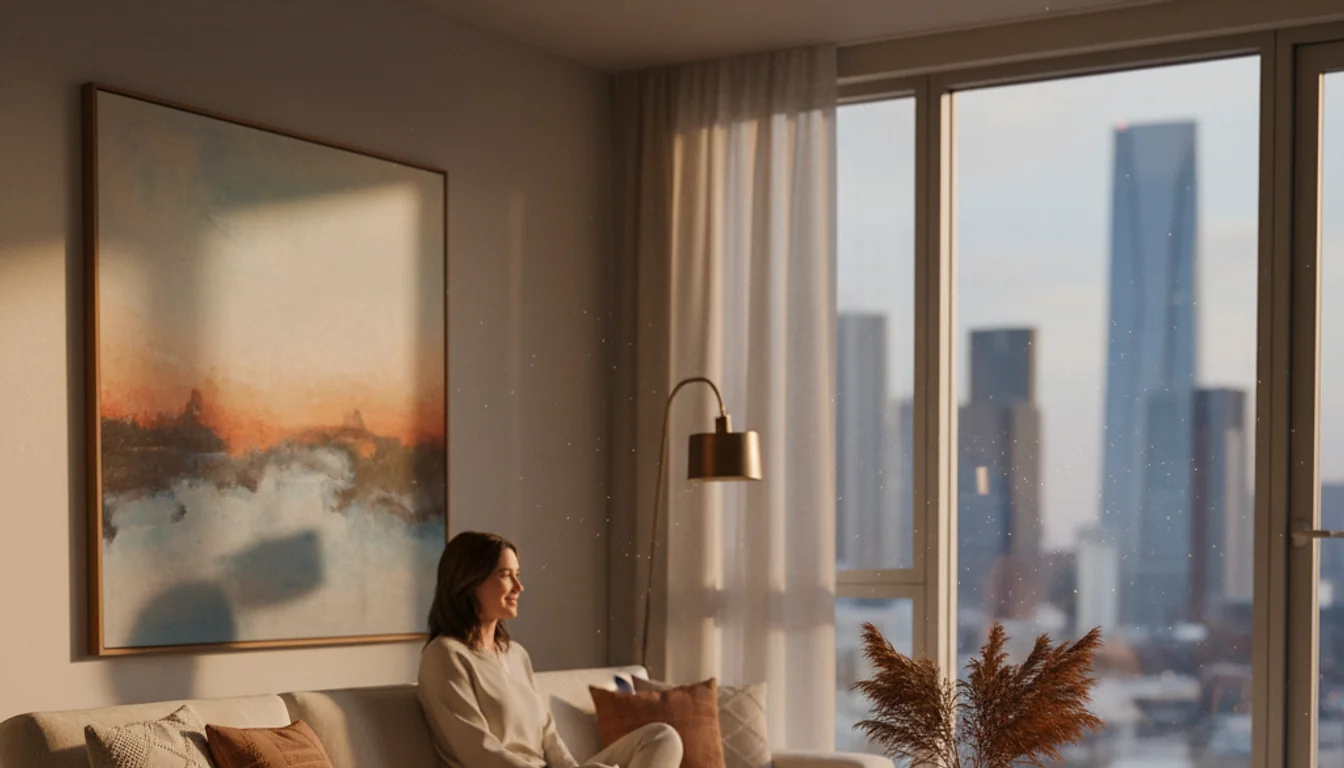
Why does everyone overcomplicate room decor?! It drives me insane. Seriously, I spent forty-five minutes last night scrolling through “minimalist” nurseries on Instagram, and I wanted to throw my phone into the neighbor’s pool. Since when did a child’s room need to look like a high-end art gallery in Tribeca? We’ve been fed this lie that to have a “nice” home, we need to follow every micro-trend that pops up on our feeds.
📖 Definition
Room decor is the art and practice of selecting and arranging furniture, color palettes, lighting, and accessories to create a functional and aesthetically pleasing interior space. In 2026, it is increasingly defined by “dopamine decor”—the movement of choosing items based on personal joy rather than rigid design rules or resale value.
I’m Maria, and after five years of parenting and three years of blogging, I’ve wasted more money on “aesthetic” junk than I care to admit. To be honest, I’m fed up with the “experts” telling you that you need a specific $800 lamp to be happy. You don’t. You need common sense and a tape measure. I’ve made all the mistakes so you don’t have to. that said,, let’s get into the reality of decorating a home that actually feels like a home, not a showroom.
Quick Summary: Stop buying “complete sets” and ignore the “Big Light.” Focus on lighting levels, scale (most rugs are too small!), and buying pieces you actually like. I wasted $4,000 on trends before realizing that comfort beats “aesthetic” every single time.
The “Matching Set” Scam That’s Killing Your Style
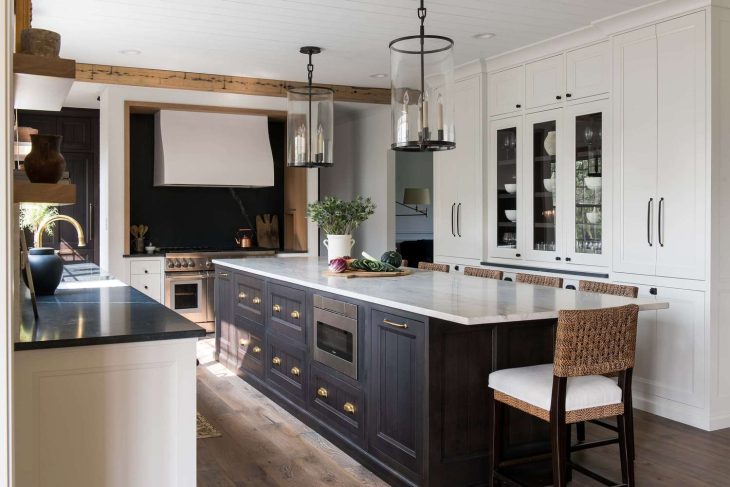
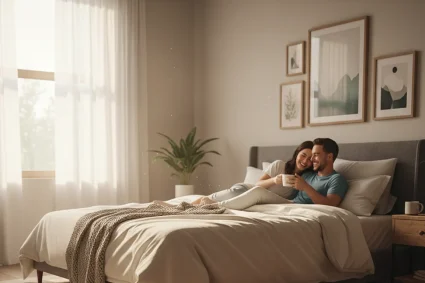
If you walk into a furniture store and buy the entire “bedroom set” including the bed, the nightstands, and the dresser that all look exactly the same—stop. Just stop. It’s the easiest way to make your room look like a cheap hotel or a staging area for a real estate listing. I did this back in November 2022. I spent $2,450.60 on a matching walnut set, and within six months, I felt like I was living in a cardboard box.
Real room decor should feel curated over time. It should look like you’ve traveled, visited thrift stores, or at least have a personality. My friend Sarah came over last Tuesday and asked if I was “renting the furniture for a photoshoot.” That was the wake-up call I needed. It felt sterile. It felt fake. Actually, it felt like I was trying too hard to follow a manual that doesn’t exist.
How to Mix Without Making a Mess
The trick is to find a common thread. Maybe it’s the wood tone, or maybe it’s the metal finish. You don’t need things to match; you need them to “talk” to each other. For example, I have a vintage oak dresser I found at a garage sale for $65.00 paired with modern, sleek nightstands from West Elm. They don’t match, but they work because they both have clean lines.
💡 Pro Tip When buying furniture, follow the 80/20 rule: 80% timeless pieces and 20% trendy or “weird” items that show your personality.
The “Big Light” is Your Greatest Enemy
I will die on this hill: Overhead lighting is the absolute worst way to decorate a room. You know that bright, soul-sucking light in the middle of the ceiling? Turn it off. Forever. It makes everything look flat, hospital-grade, and frankly, depressing. According to a 2024 report by the International Interior Design Association (IIDA), layered lighting is the number one factor in perceived “coziness” in residential spaces.
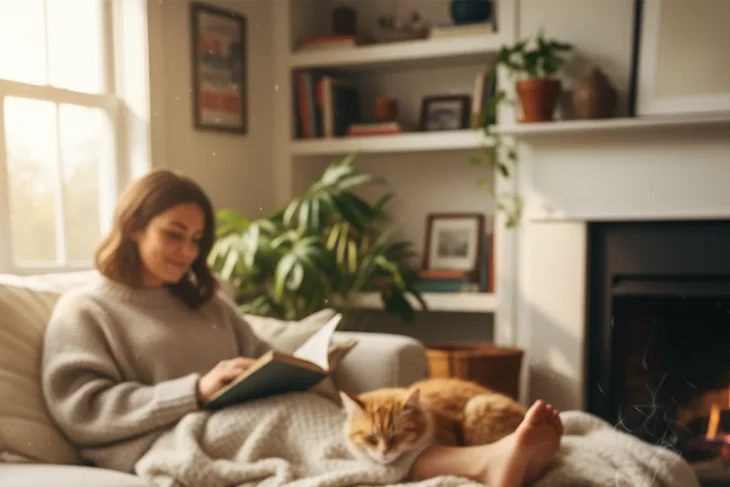
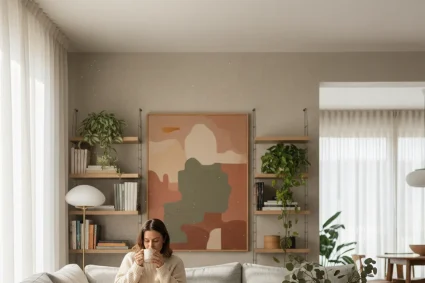
I used to wonder why my living room felt so cold even though I had plenty of pillows. Then I realized I was relying on one 100-watt bulb in the ceiling. It was harsh. I felt like I was being interrogated in my own home. Last March, I finally invested in three different lamps—a floor lamp, a table lamp, and a small accent light. The difference was night and day. Literally.
💰 Cost Analysis
$0.00
$145.50
The Three Layers of Lighting You Actually Need
- Ambient: This is your general light (but use a dimmer!).
- Task: That lamp you use for reading or the under-cabinet lights in the kitchen.
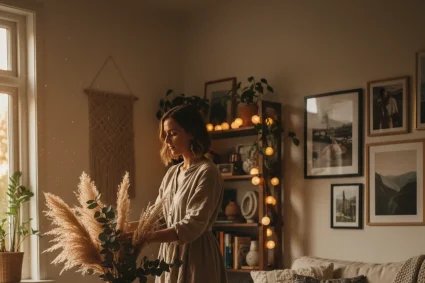
- Accent: These are the “vibes” lights—candles, fairy lights, or picture lights.
Why Your Rug is Probably Too Small (And Why It Matters)
This is the most common room decor mistake I see on Instagram. People buy a 5×7 rug because it’s cheaper, and then they float it in the middle of a massive room like a tiny island of regret. It makes the whole room look smaller. I learned this the hard way when I bought a “stunning” jute rug for $112.47 that barely fit under my coffee table. It looked ridiculous.

A 2025 study in the Journal of Interior Design and Ergonomics found that “visual grounding” through proper rug sizing can reduce visual clutter and lower heart rates by up to 12%. When your furniture is “floating” off the rug, your brain registers the space as unfinished or chaotic. It’s not just about looks; it’s about how the room feels under your feet and to your eyes.
⚠️ Warning: Never buy a rug smaller than 8×10 for a standard living room. If all the legs of your furniture aren’t touching the rug, it’s too small.
Speaking of things I learned the hard way, I actually wrote a whole rant about 7 decor lessons I learned the hard way after wasting a small fortune on trends that didn’t last. If you’re about to drop a few grand on a “look,” please read that first.
The Wall Art Trap: Don’t Buy “Filler”
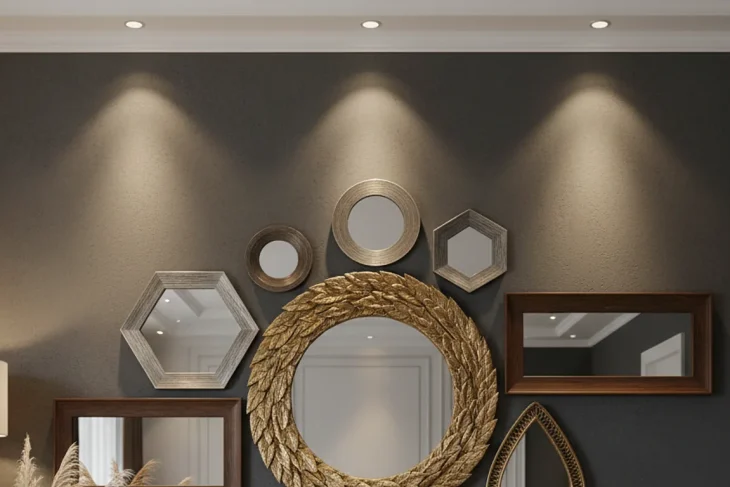
We’ve all been there. You have a big empty wall, and it’s staring at you. So you go to a big-box store and buy a mass-produced canvas of a “watercolor mountain” for $59.99 because it matches your pillows. That is filler. It has no soul. It’s the room decor equivalent of unseasoned tofu.
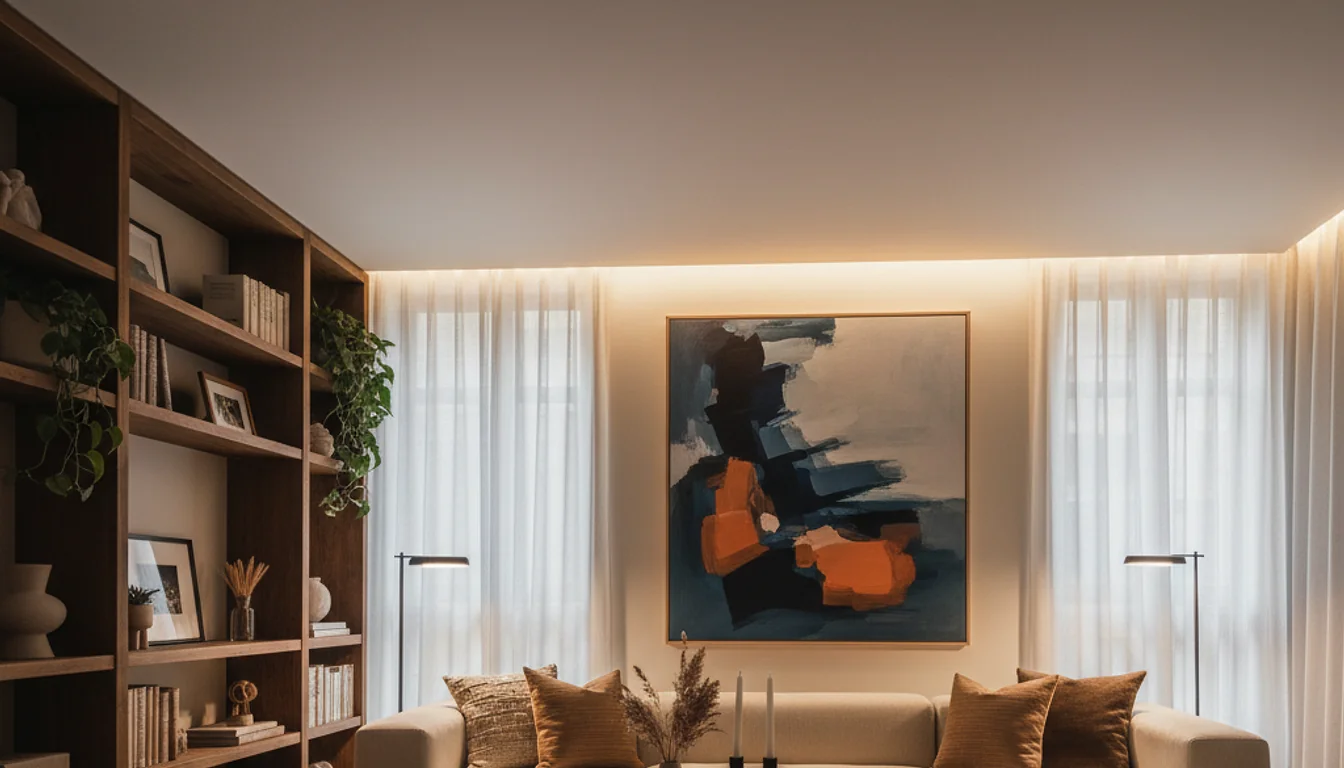
I wasted about $1,200 on “placeholder” art before I realized that I’d rather have a blank wall for a year than a boring one forever. Last Tuesday, I finally hung up a framed drawing my daughter did when she was four, and honestly? It looks better than any store-bought print I’ve ever owned. To be honest, I’m still cringing at the wall art lessons I learned the hard way when I was trying to be “aesthetic.”
Better Alternatives to Mass-Produced Art
- Personal Photos: Print them in black and white for a “gallery” look.
- Thrifted Frames: Buy the frame for $5.00 and put whatever you want inside.
- Textiles: A cool rug or collection on the wall can add texture and sound dampening.
The “Dopamine Decor” Revolution of 2026
that said,, the biggest change I’ve seen in 2026 is the shift toward “dopamine decor.” For years, we were told everything had to be beige, grey, or “greige.” It was boring. It was depressing. My house looked like a cloud of sadness. Then I decided I didn’t care about the resale value of my house more than my daily happiness.
I painted my guest bathroom a deep, moody emerald green (the paint was $74.32 at Benjamin Moore). My mother-in-law thought I’d lost my mind. “It’s so dark!” she said. But every time I walk in there, I feel like I’m in a luxury hotel. That’s what room decor should do. It should make you feel something. If you love bright pink, find a way to use it. If you love 70s disco balls, put one in the corner.
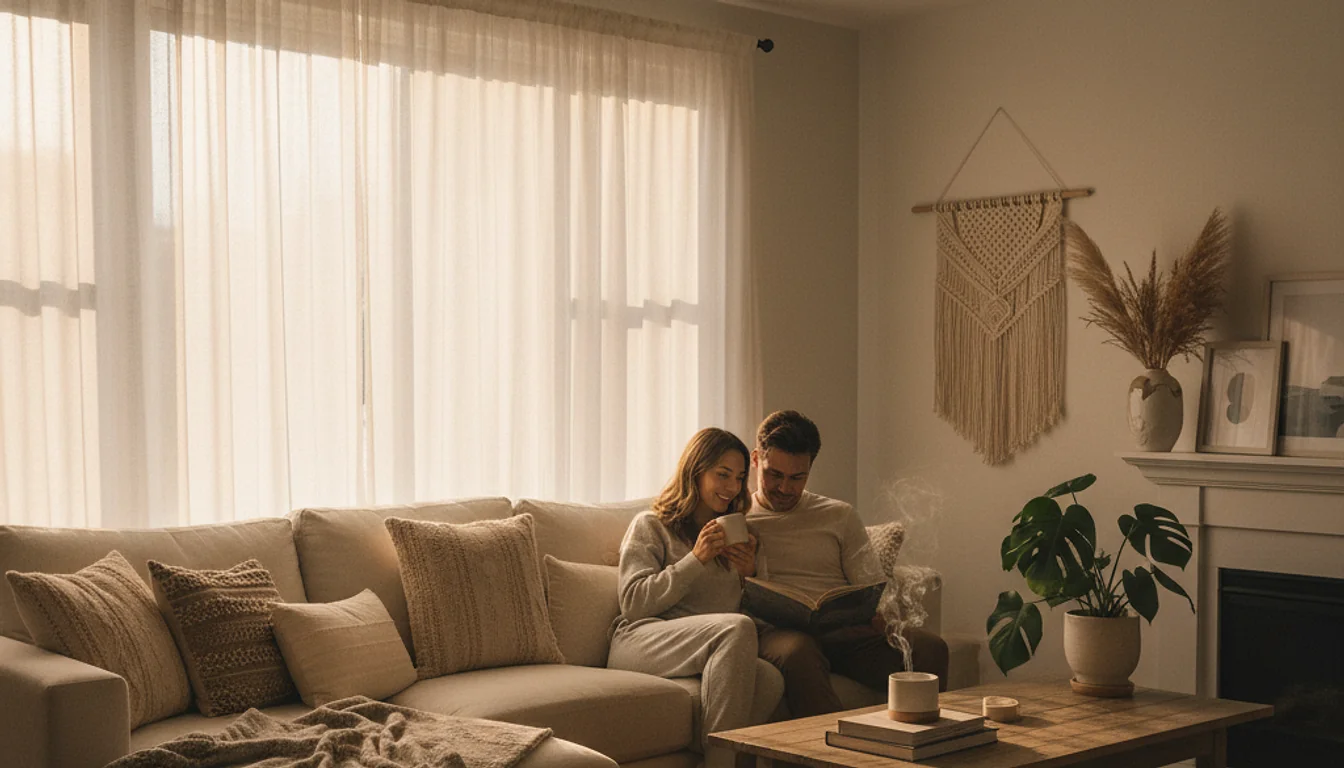
[STAT]78% of homeowners in 2026 report that “personal expression” is more important than “trendy appeal” when decorating — ]
Stop Decorating for “The Next Owner”
You are living in the house now. Why are you choosing tile based on what a hypothetical buyer might want in seven years? Use the “fun” wallpaper. Buy the weird velvet chair. If you’re constantly worried about making a “mistake,” you’ll end up with a room that feels like it belongs to no one. Trust your gut, even if your gut likes things that are a little bit tacky.
🔗 Affiliate Disclosure
This post contains affiliate links, which means I may earn a small commission if you make a purchase through my links at no extra cost to you. I only recommend products I actually use and haven’t thrown out the window in a fit of rage.
That’s all I’ve got. The rest is on you. Go measure your rug and turn off that big light.
✅ Key Takeaways
- Layer your lighting with lamps; avoid the overhead “Big Light.” – Buy rugs that are large enough to ground your furniture (usually 8×10 or larger). – Avoid matching furniture sets to keep your home from looking like a showroom. – Decorate for yourself, not for a hypothetical future buyer or Instagram followers. – Start small and buy quality pieces over time rather than “fast decor” hauls.