

A Connoisseur’s Guide to Champagne: Vintage, Blanc de Blancs, and Grower Bubbles

Executive Summary:
Deciphering Champagne terroir: from iconic prestige cuv?es like Dom P?rignon and Krug to the radical biodynamic grower-producers of the C?te des Blancs.
- Prestige Cuv?es vs. Grower Champagne: Understanding the contrast between historic blending houses (Grandes Marques) and artisanal single-estate vignerons (RM).
- Stylistic Spectrum: 100% Chardonnay Blanc de Blancs for razor-sharp chalky minerality vs. Pinot Noir-dominated Blanc de Noirs for vinous structure.
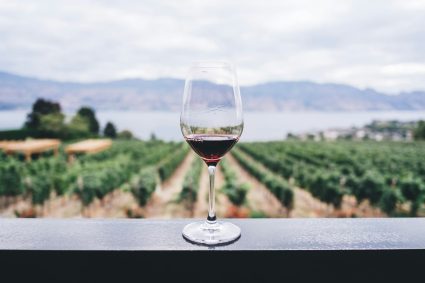
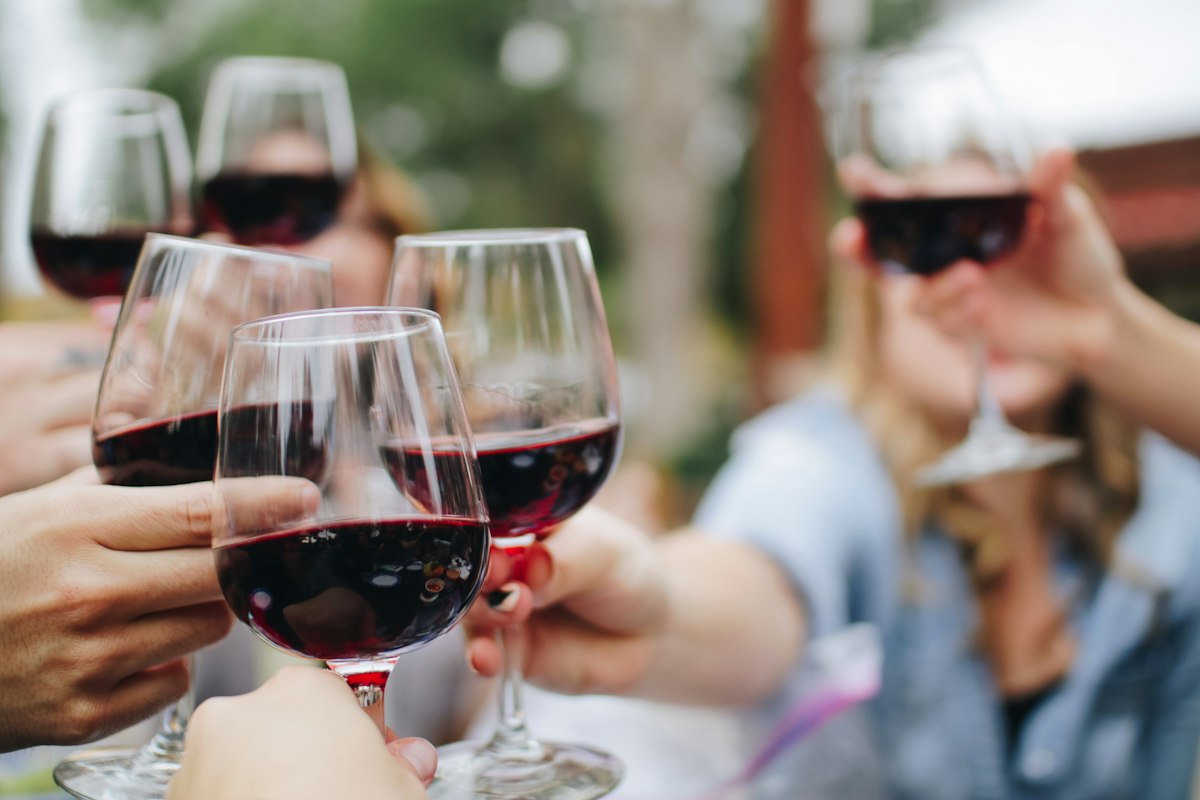
- Glassware Protocol: Retiring narrow flutes and retro saucers in favor of wider white wine tulip stems to allow complex aromas to blossom.
The Magic of the Chalky Terroir
Champagne is the world’s most celebratory elixir, yet it remains one of the most frequently misunderstood wines. Situated at the northern climatic limit of viticulture in France, Champagne’s subsoil?deep strata of porous Kimmeridgian chalk dating back to the Jurassic era?provides natural water retention and imparts unmistakable flinty tension, brioche depth, and crystalline acidity to Chardonnay, Pinot Noir, and Pinot Meunier grapes.
The Great Houses: Krug and Dom P?rignon
The Grand Marques represent centuries of blending mastery. Krug’s iconic Grande Cuv?e assembles over 120 individual base wines across a dozen different vintages, aged for seven years on lees before disgorgement, creating an opulent tapestry of toasted hazelnuts, dried figs, and ginger. In exceptional harvest years, Dom P?rignon produces vintage-only expressions that balance youthful tension with smoky, oxidative complexity.
The Grower Champagne Revolution
The most exciting revolution in the wine world is the rise of ‘Recoltant-Manipulant’ (grower) Champagne. Visionary vignerons like Anselme Selosse, Jacques Lassaigne, and C?dric Bouchard farm single vineyards biodynamically, bottle with minimal sulfur, and often forgo dosage entirely (Brut Nature). These are serious, terroir-driven white wines that happen to have bubbles, demanding deep gastronomic consideration.
Pro Tip: Never serve high-end Champagne ice-cold straight from a freezer bucket. Allow it to sit at 50?F to 54?F (10?C to 12?C) in a tulip-shaped glass; extreme cold numbs the delicate tertiary brioche and truffle aromas.
The Final Verdict
Champagne is not merely an aperitif for toasts; it is the ultimate food wine on earth. Exploring its diverse terroirs is an intoxicating journey of endless discovery.