


Artisan Olive Oil Tasting: How to Identify Single-Estate Extra Virgin Oils for Finishing

Executive Summary:
Understanding polyphenol counts, harvest dates, and mono-cultivar pressings: why single-estate finishing olive oil is the ultimate kitchen luxury.
- The Polyphenol Metric: High polyphenol counts (>500 mg/kg) deliver peppery throat burn (oleocanthal), indicating potent anti-inflammatory antioxidant power.
- Early Harvest Green Gold: Olives harvested in October while green yield less liquid but dramatically higher aromatic intensity (fresh-cut grass, artichoke, green almond).
- Cooking vs. Finishing: Never waste single-estate $60 early-harvest oil for pan frying; save it to drizzle raw over burrata, grilled meats, and heirloom tomatoes.
The Scandal and Truth of Olive Oil
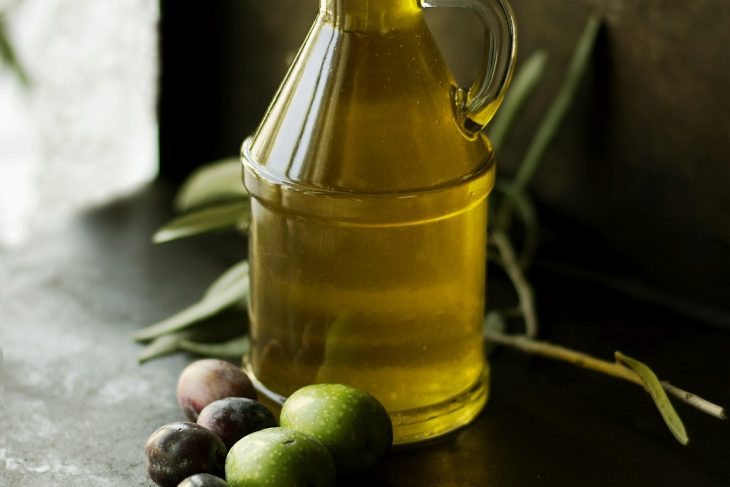
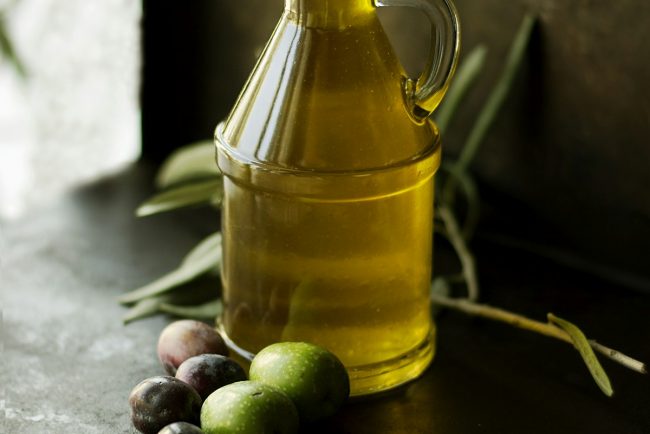
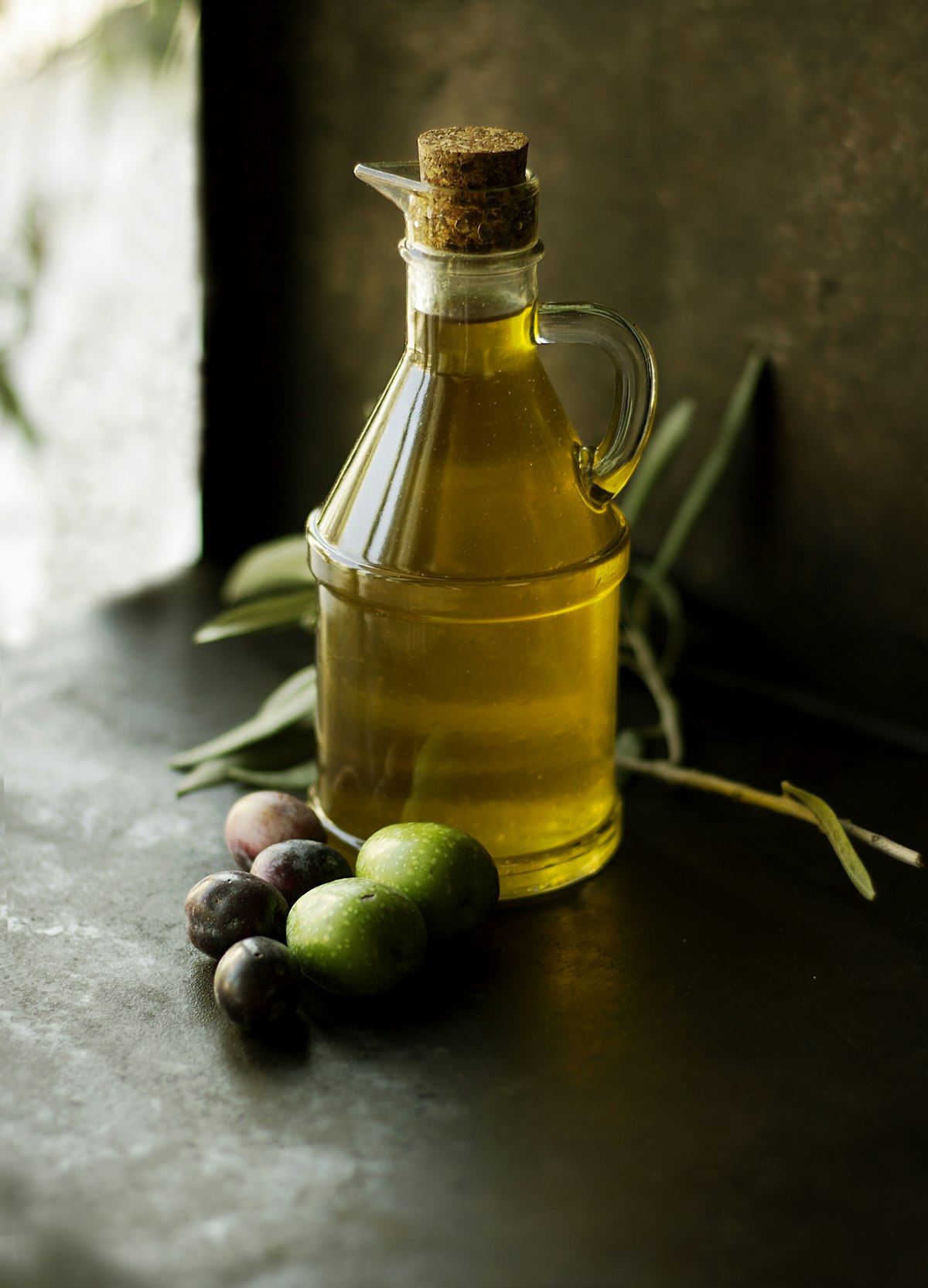
Most supermarket ‘Extra Virgin’ olive oils are blends of stale, oxidized oils imported from undisclosed regions, chemically deodorized, and bottled in clear glass that destroys remaining nutrients. Authentic, single-estate extra virgin olive oil (EVOO) is as nuanced, regional, and terroir-driven as premier cru Burgundy wine. It is essentially fresh fruit juice extracted purely through cold mechanical pressure within hours of harvest.
The Three Sensory Pillars of Authentic EVOO
Certified olive oil sommeliers evaluate oil through three sensory benchmarks: Fruitiness (aromas of green tomato leaf, artichoke heart, and freshly mowed grass), Bitterness (a pleasant sensation on the back of the tongue from natural antioxidants), and Pungency (a peppery tickle in the throat caused by oleocanthal, a natural anti-inflammatory compound). If an oil tastes greasy, flat, or buttery with zero pepper, it is old or adulterated.
Mono-Cultivars: Savoring Regional Identity
Explore distinct single-varietal pressings: Tuscan Frantoio and Moraiolo offer robust, herbaceous punch ideal for hearty bistecca alla fiorentina; Sicilian Nocellara del Belice radiates bright green tomato and sweet almond notes perfect for fresh crudos; while Spanish Picual delivers high polyphenol counts that elevate simple rustic sourdough bread.
Pro Tip: Always check the harvest date on the bottle, not the expiration date. Olive oil does not age like wine; consume within 12 to 18 months of harvest, and finish the bottle within 60 days of opening.
The Final Verdict
A drizzle of single-estate, early-harvest olive oil transforms humble vegetables and grains into Michelin-caliber feasts. It is liquid vitality in its purest form.