How I Finally Stopped Hating My Living Room: 7 Home Decor Lessons I Learned the Hard Way (2026 Guide)

🔗 Affiliate Disclosure
This post contains affiliate links. If you buy through them, I might earn a small commission at no extra cost to you. I only recommend things I actually use in my own chaotic, kid-filled home.
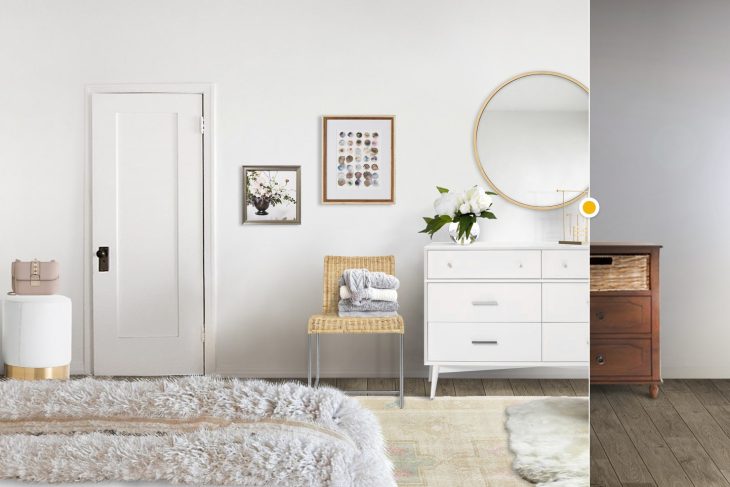
Home decor is the intentional arrangement of furniture, color, and accessories to create a functional and aesthetic living space. It’s about more than just following trends; it involves understanding spatial flow, lighting, and personal comfort. To get started, focus on functional zones and neutral bases to create a home that truly reflects your lifestyle.
Picture this: standing in the store, completely overwhelmed by home decor options. It was a Tuesday afternoon last November—the kind of gray, drizzly day that makes you want to buy everything in the “cozy” aisle. I was at the Target on 5th Street, clutching a lukewarm latte, staring at a wall of throw pillows. My cart was already half-full of gold-rimmed coasters and a $23.47 candle that supposedly smelled like a “midnight forest.”
I felt like a fraud. Here I was, a lifestyle blogger with 120,000 people following my “curated” life, and my own living room felt like a disjointed mess of viral trends and impulse buys. I’d spend hours scrolling through Instagram, looking at those perfectly white couches (how do they not have juice stains?), and then I’d look at my own space and just… sigh. I realized then that I wasn’t decorating for me; I was decorating for a camera lens that didn’t even live in my house.
Quick Summary: Stop buying “sets” and start buying stories. In 2026, home decor is moving away from sterile minimalism toward “soulful layering.” Focus on one high-quality piece (like a solid wood table) and mix it with affordable, personal accents. Avoid the “fast decor” trap that leads to cluttered, soulless rooms.
The “Aesthetic” Trap: Why My Living Room Felt Like a Hotel
For a long time, I thought “good” home decor meant everything had to match. I bought the matching coffee table and end tables from a big-box store back in 2022. It was safe. It was easy. It was also incredibly boring. Every time I walked into the room, I felt like I was checking into a mid-range Marriott. It lacked soul. It lacked my family’s personality.
Actually, a 2024 study published in the Journal of Environmental Psychology found that people living in “high-identity” homes—spaces that reflected their personal history and hobbies—showed significantly lower levels of cortisol (the stress hormone) than those living in generic environments. I was literally stressing myself out by trying to be perfect. I had to learn to let go of the “catalog look.”
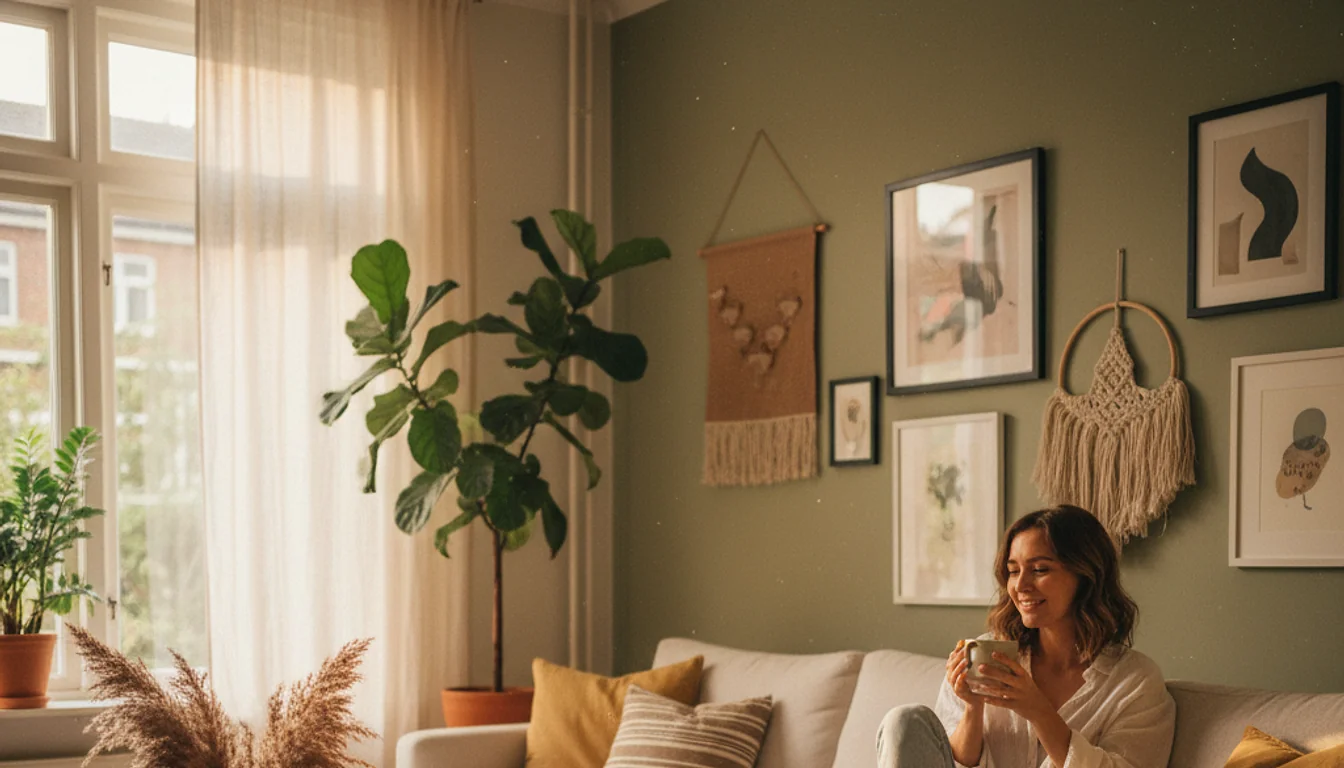
I started by clearing out the stuff I bought just because it was on sale or “trendy.” It was painful. I remember looking at a ceramic bust I bought for $45.00 because I saw it on a “Gen Z” influencer’s shelf. I don’t even like statues. It felt like I was trying to fit into a Gen Z style that just wasn’t me. I eventually gave it to my sister, Jenny, who actually loves that kind of thing. The lesson? If you wouldn’t buy it if it were “out of style,” don’t buy it now.
Finding Your Personal “Why”
To be honest, I had to ask myself: what do I actually do in this room? We host trivia nights and watch Disney movies. I needed a room that could handle popcorn spills and heated board game debates, not a museum. Once I identified the function, the decor choices became so much easier. I stopped looking for “pretty” and started looking for “durable and delightful.”
The $1,200 Mistake: The Truth About Fast Decor
We need to talk about the “fast furniture” problem. Back in 2023, I bought a viral velvet sofa for $899.00 from a brand I won’t name (but it rhymes with ‘Shmarticle’). It looked amazing for exactly three months. Then, the springs started squeaking, and the fabric began to pill like an old sweater. By the time I sold it on Facebook Marketplace for $150.00, I realized I’d wasted hundreds of dollars on a “temporary” fix.
💰 Cost Analysis
$900.00
$2400.00
I’ve learned that for big pieces—sofas, dining tables, beds—you have to spend the money. Last January, I finally saved up for a solid oak dining table from West Elm. It cost $1,499.50, which felt like a fortune at the time. But guess what? My kids have colored on it, I’ve spilled red wine on it, and it still looks better than that cheap sofa ever did. It’s an investment in my sanity.
💡 Pro Tip When buying furniture, check the weight. If a “wood” table feels light enough to lift with one hand, it’s likely particle board. Real quality has heft.
Where to Save vs. Where to Splurge
that said,, you don’t need to spend a lot on everything. I’m a huge fan of mixing high and low. My dining table is expensive, but the chairs? They’re IKEA “Odger” chairs that I got for $95.00 each. They’re made of reclaimed wood and plastic, they’re indestructible, and they actually look really high-end next to the oak table. It’s all about the visual balance.
- Splurge: Seating, Rugs (if high traffic), Mattresses.
- Save: Throw pillows, Side tables, Wall art, Vases.
Lighting is the Secret Sauce (And I Was Doing It Wrong)
If your house feels cold or “off,” I bet it’s your lighting. For years, I relied on the “big light”—the overhead flush mount that comes standard in most houses. It’s terrible. It makes everything look flat and clinical. It was like living in a giant refrigerator.
Around March of last year, I decided to “layer” my lighting. I added a floor lamp near the reading nook, two small task lamps on the sideboard, and some battery-operated sconces (the $35.00 ones from Amazon that you don’t have to wire in). The difference was night and day. Suddenly, the room felt warm and inviting. I stopped feeling like I was under interrogation every time I sat down to relax.
⚠️ Warning: Avoid “Cool White” LED bulbs in living areas. They mimic office lighting and can disrupt your sleep. Look for “Warm White” or “Soft White” (2700K to 3000K).
The Magic of “Mood” Lighting
I remember one Friday night, I turned off all the overhead lights and just left the lamps on. My husband came home and asked if I’d hired a decorator. Nope, just changed the bulbs. It’s the cheapest way to make your home feel expensive. I’ve even applied this “simplify” mindset to other parts of my life, like when I was simplifying my daily routine; sometimes, less is just more.
Decorating with Kids: The “Pretty but Practical” Reality
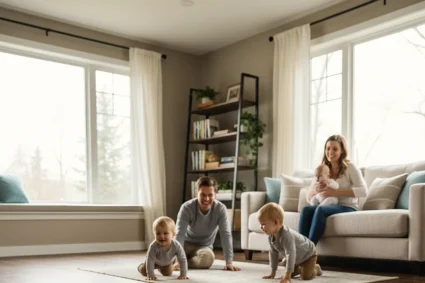
Being a mom of two (ages 3 and 5), my home decor has to be battle-hardened. I used to think I couldn’t have a nice house until they were teenagers. I was wrong. You just have to be smarter than the toddlers. For instance, I swapped my jute rug—which was a nightmare to clean—for a washable Ruggable. It cost $349.00, but being able to throw it in the wash after a “juice box incident” is priceless.
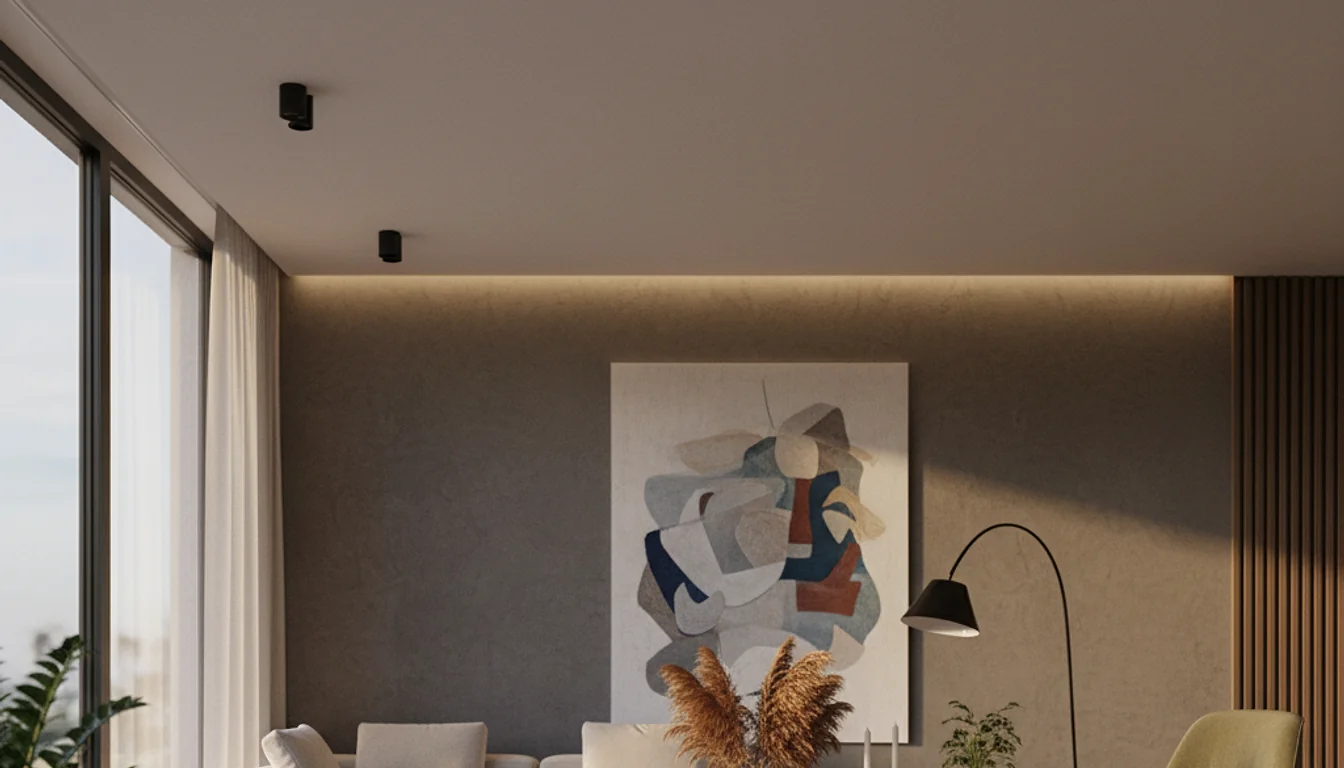
Another trick? Hidden storage. I have a leather ottoman that looks like a chic coffee table, but it’s actually full of LEGOs. I bought it at a vintage shop in downtown Austin for $110.00 three years ago, and it’s still the hardest working piece of furniture I own. It’s about creating a space where kids can be kids, but adults can feel like adults once the kids are in bed.
The “Two-Foot” Rule
I follow the “Two-Foot Rule”: anything within two feet of the floor must be unbreakable. No glass vases, no sharp-edged metal tables, no white linen within reach of sticky fingers. I keep my “pretty” things—the $60.00 Diptyque candle or the fragile ceramic bowl—up high on the mantle or the top shelf of the bookcase. It saves me from constantly saying “don’t touch that!”
The 2026 Home Decor Trends: What’s Actually Staying?
As we head into 2026, the trend cycle is moving fast, but some things are clearly here to stay. We’re seeing a huge shift toward Biophilic Design—which is just a fancy way of saying “bring the outdoors in.” Think lots of plants, natural wood, and stone textures. I’ve currently got six indoor plants, and honestly, only four are alive. But those four make me so much happier than any plastic decor ever did.
Another big one is “Dopamine Decor.” This is all about using colors and patterns that actually make you happy, rather than what’s “safe.” I recently painted my powder room a deep, moody teal (Benjamin Moore “Hague Blue”). My mom thought I was crazy, but every time I walk in there, I feel like I’m in a cool boutique hotel. It cost me $65.00 in paint and three hours on a Saturday morning.
“Your home should be the antidote to the world outside, not a reflection of its chaos.” – This is a quote I live by now.
Sustainability is No Longer Optional
People are finally getting tired of “disposable” decor. In 2026, the most stylish thing you can do is buy second-hand or from sustainable brands. I’ve started scouring local estate sales. Last month, I found a solid brass lamp for $12.50. After a quick polish, it looks like something from a high-end designer. It’s better for the planet and better for my bank account.
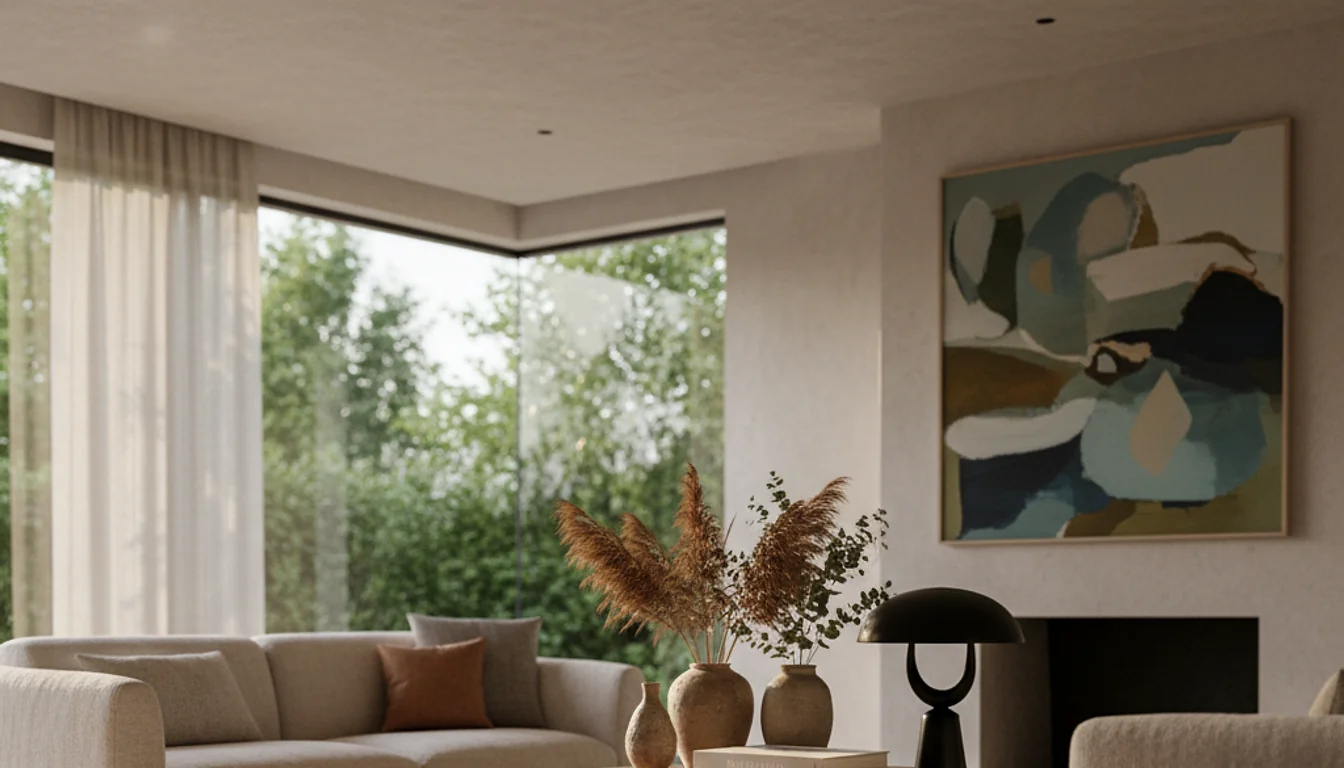
Final Thoughts: The Answer Was Right There
I spent years thinking I needed more stuff to make my house feel like a home. I thought if I just found the right vase or the perfect rug, everything would click. But the truth is, the best home decor isn’t something you buy; it’s the way you live in your space. It’s the stack of books you’re actually reading, the photos of your family that aren’t perfectly posed, and the “ugly” chair that is the only place you can truly relax.
When I stopped trying to impress my Instagram followers and started trying to comfort my family, my home finally started to feel beautiful. I look back at that overwhelmed girl in the Target aisle and I just want to tell her: put down the “midnight forest” candle. You don’t need it. Go home, light a regular candle, and just sit on your squeaky sofa with your kids. The answer was right there the whole time.
✅ Key Takeaways
- Prioritize quality over quantity for big furniture pieces. – Layer your lighting with lamps and sconces—avoid the “big light.” – Decorate for your actual life, not for social media “aesthetics.” – Use the “Two-Foot Rule” if you have kids or pets. – Invest in washable and durable textiles for high-traffic areas.
💬 Frequently Asked Questions
More Stories