


The Pink Drink Lie I Believed for Years: My Honest 2026 Rant

🔗 Affiliate Disclosure
I am a lifestyle blogger and a mom, not a doctor or a lactation consultant. The information shared here is based on my personal experience and research. Always consult with a healthcare professional before making changes to your diet, especially if you are breastfeeding or have underlying health conditions.
Quick Summary: The Starbucks Pink Drink is a sugary treat, not a medical miracle. Despite the viral claims that it boosts breast milk supply, there is no scientific evidence to support this. It contains 24g of sugar and 45mg of caffeine per Grande, which can actually lead to energy crashes. If you want it for the taste, go for it, but don’t buy the “wellness” hype.
Can we talk about how much misinformation exists about pink drink? Honestly, I am fed up. I am sitting here in my kitchen, it is 11:45 PM on a Tuesday in March 2026, and I just saw another “wellness” influencer claim that this drink is the secret to a high milk supply and “glowing” skin. Give me a break. I fell for this hook, line, and sinker back when I had my first child, and looking back, I feel like a total idiot for spending so much money on what is essentially strawberry-flavored sugar water.
We’ve been told for years that this specific beverage is some kind of magic potion for moms. It’s not. It’s a marketing masterpiece wrapped in a pretty pastel hue. After five years of parenting and three years of running this blog, I’ve learned that if something looks too perfect for Instagram, it’s probably because it was designed for the camera, not for your actual health. Let’s peel back the curtain on this drink once and for all.
📖 Pink Drink
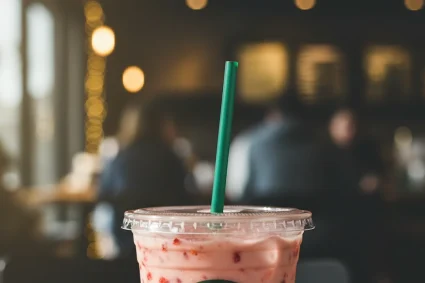
A Starbucks beverage consisting of a Strawberry Açaí Refresher (which contains white grape juice concentrate and green coffee extract) combined with coconut milk and freeze-dried strawberries. It is a caffeinated, fruit-flavored drink known for its light pink color and creamy texture.
What Is the Pink Drink Actually Made Of?
Before we get into the “magic” claims, let’s look at the actual facts. I think a lot of people assume that because it has “coconut milk” and “fruit,” it’s basically a smoothie. It’s not. Last Tuesday, I went to the Starbucks on 4th and Main—the one with the perpetually broken drive-thru speaker—and I paid exactly $6.84 for a Grande. For context, that’s up from about $5.25 a couple of years ago. Prices are getting ridiculous.
When you look at the nutritional breakdown, it’s eye-opening. A standard Grande (16 oz) contains about 140 calories, 2.5g of fat, and 24g of sugar. To put that in perspective, a 2024 report from the American Heart Association suggests that women should limit added sugar to about 25g per day. So, one “healthy” afternoon pick-me-up and you’ve basically hit your limit. And that’s before you eat a single cookie or even a piece of flavored yogurt.
The Caffeine Factor
People often forget that the base is a Refresher. Refreshers contain green coffee extract. A Grande has 45mg of caffeine. That’s about half the caffeine of a cup of coffee, but if you’re “stacking” these throughout the day because you think they’re hydrating you, you’re actually just buzzing yourself into a jittery mess. I learned this the hard way when I drank two in one afternoon back in November and ended up staring at the ceiling until 3 AM while the baby actually slept for once. Total mom fail.
[STAT]24g of sugar per 16oz serving — ]
The Breastfeeding Myth That Just Won’t Die
This is my biggest grievance. If you search for “lactation boosters,” the pink drink is always there. The theory is that the electrolytes in the coconut milk and the “galactagogue” properties of… something in it… help you produce more milk. To be honest, I spent probably $150 in one month trying to “drink” my way to a better supply. My husband, Mark, literally asked me if I was opening a franchise because our fridge was just full of those clear plastic cups.
Here’s the cold, hard truth: Coconut milk is not a proven galactagogue. Neither is strawberry açaí base. According to a 2025 study published in the Journal of Human Lactation, there is no significant evidence that the ingredients in sugar-sweetened beverages like this one impact milk volume. What does help is hydration. If you drink 16 ounces of water, you get the same hydration benefit without the $7 price tag and the insulin spike.
Why Do People Think It Works?
It’s the placebo effect, combined with the fact that nursing moms are usually dehydrated and calorie-depleted. When you drink a sugary, 140-calorie beverage, you get a temporary energy boost. You feel “better” for twenty minutes, so you assume the drink is “working.” In reality, you’re just experiencing a sugar rush. I wrote about this in more detail when I shared how I Was Wrong About That Famous Pink Beverage after actually tracking my output for two weeks. Spoiler: It didn’t change a thing except my bank balance.
💡 Pro Tip If you’re struggling with milk supply, skip the Starbucks line and call a certified lactation consultant. Real support is cheaper than a daily $7 sugar habit.
Is It Actually “Healthy” or Just Good Marketing?
We live in an era where “aesthetic” equals “healthy.” Because the drink is pink and has “fruit” floating in it, it gets a pass that a Coca-Cola wouldn’t. But let’s be real. The strawberries in that drink are freeze-dried and mostly there for decoration. By the time they’ve been sitting in the liquid for ten minutes, they have the texture of wet cardboard. I usually end up fishing them out and throwing them away, which feels like throwing money into the trash.
Actually, that said,, I think the “wellness” industry has done a number on us. We are so desperate for a quick fix that we’ll believe anything a girl with a ring light tells us. I’m tired of the “glowing” lies, which is why I’ve tried to be more honest in my 2026 beauty and wellness guide for real moms. Health isn’t found at the bottom of a plastic cup with a green straw.
The Ingredient Rabbit Hole
If you look at the “Strawberry Açaí Base,” it’s mostly water, sugar, and white grape juice concentrate. It also contains “natural flavors,” which is a catch-all term that doesn’t really tell us much. While it’s better than a drink loaded with artificial dyes like Red 40, it’s still highly processed. It’s a treat, not a health supplement.

The Financial Trap of the “Daily Treat”
I’m going to get a bit personal here. I checked my banking app last year and realized I had spent over $600 at Starbucks in a six-month period. Most of that was on pink drinks and the occasional “must-have” seasonal latte. That is a car payment. That is a weekend getaway. That is a lot of money for colored water.
The “treat culture” is real, and it’s expensive. We’re told we deserve a little something to get through the day, but when that “little something” costs nearly $7 and doesn’t actually make us feel better in the long run, it’s a trap. I actually realized I was making a Starbucks drinks mistake that cost me thousands of dollars over the years. It’s not just the drink; it’s the routine. It’s the “while I’m here, I’ll get a cake pop for the toddler” that adds up to $15 per visit.
⚠️ Warning: Beware of the “Secret Menu” versions. Adding extra pumps of vanilla or heavy cream can double the calorie and sugar content, turning a 140-calorie drink into a 400-calorie milkshake real quick.
Better, Honest Alternatives for Busy Moms
If you genuinely love the taste, keep drinking it! But if you’re looking for hydration or a health boost, there are better ways. I’ve started making a “fake” version at home that actually tastes decent and doesn’t make me crash at 3 PM.
The 2026 DIY Pink Drink (That Doesn’t Suck)
I’ve experimented with this for months. My friend Sarah tried it last week and actually admitted it was better than the original. Here is my go-to recipe:
- The Base: Use Hibiscus tea (it’s naturally pink and tart). I buy a box of 20 bags for $4.50.
- The Sweetener: A splash of 100% white grape juice or a tiny bit of honey.
- The Cream: Unsweetened coconut milk from a carton (not the canned stuff).
- The Fruit: Fresh strawberries if they’re in season, or just skip them.
Why This Works
This version has zero caffeine, way less sugar, and costs about $0.45 to make. Plus, you don’t have to sit in a drive-thru for 20 minutes with a screaming three-year-old in the back seat. To be honest, the peace of mind of knowing exactly what’s in my cup is worth more than the “clout” of carrying a Starbucks cup.
💰 Cost Analysis
$205.00
$14.00
The “Sugar Crash” Reality Check
One thing no one talks about is the 4 PM slump. You grab a pink drink at 2 PM because you’re tired. The sugar hits your bloodstream, your insulin spikes, and then, about 90 minutes later, you feel like you’ve been hit by a truck. Then what do you do? You grab another snack or another caffeinated drink. It’s a vicious cycle.
that said,, I’m not perfect. I still buy one occasionally. But now I treat it like a dessert, not a hydration strategy. When I stopped expecting it to be a “wellness” tool, I stopped being disappointed when I didn’t magically feel like a “supermom” after drinking it. Real energy comes from sleep (ha!), balanced meals, and maybe a Love Wellness vitamin if you’re into that sort of thing—though I’ve had my doubts about those too.
✅ Key Takeaways
- The Pink Drink is a high-sugar treat (24g), not a health drink. – No scientific evidence supports it as a lactation aid. – It contains 45mg of caffeine which can cause sleep issues. – DIY versions are 90% cheaper and significantly healthier. – It’s a marketing success story, not a medical miracle.
So, there it is. The pink drink isn’t the devil, but it definitely isn’t the savior the internet wants you to believe it is. It’s a tasty, expensive, sugary beverage that looks great in photos. If that’s what you want, go get it. But please, stop telling new moms it’s going to fix their milk supply or change their lives. It’s just juice and coconut milk, guys. Take it or leave it. I’m going to bed.