


What Actually Works for Comfort Food: My 2026 Guide to Stress-Free Soul Food


Quick Summary: Comfort food isn’t about the calories; it’s about the emotional connection and memory. In 2026, the best approach is “Low-Effort, High-Impact” meals that trigger nostalgia without causing kitchen burnout. Focus on high-quality ingredients, modern kitchen shortcuts like air fryers, and forgiving recipes that don’t require perfection.
Picture this: standing in the store, completely overwhelmed by comfort food options. It was last Tuesday, February 10th, around 6:15 PM. I was at the Gelson’s on Valley Spring Lane, and I’d just had one of those days where my 5-year-old, Leo, decided that pants were “optional” and my inbox was a literal fire hazard. I stood in the pasta aisle for ten minutes—not even exaggerating—staring at twenty different shapes of artisanal noodles, feeling like I might actually cry over a box of rigatoni.
We’ve all been there, right? That desperate craving for something that feels like a hug in a bowl, but the thought of actually making it feels like climbing Everest. After five years of parenting and three years of blogging about this lifestyle, I’ve realized that we often overcomplicate the very thing meant to simplify our emotional state. We try to recreate Grandma’s 12-hour Sunday gravy on a Tuesday night when the kids have soccer practice and the dog just barfed on the rug. It doesn’t work. It just adds to the stress.
I’ve spent the last few years testing what actually counts as real comfort versus what is just “heavy food.” There’s a massive difference. One leaves you feeling restored; the other leaves you with a “food baby” and a sink full of crusty dishes. Let’s look into what actually works in 2026 to bring that peace back to your kitchen.
The Science of Why We Crave the “Cozy”
Before we get into the recipes and tips, I want to share something I found fascinating. I used to think comfort food was just about sugar and fat. But a 2015 study published in the journal Appetite by researchers at the University of Buffalo found that comfort food’s power actually comes from social connection. We gravitate toward foods that remind us of people who cared for us. That’s why my go-to is always a specific type of toasted cheese sandwich—it’s what my mom made when I stayed home from school.
However, there’s a biological side too. According to a 2024 report from Harvard Health Publishing, high-fat, high-sugar foods can actually inhibit activity in parts of the brain that produce anxiety. The problem? The “crash” that follows usually makes the original stress feel even worse. To be honest, I learned this the hard way back in 2023 when I tried to “comfort” myself with an entire tray of store-bought brownies and ended up with a migraine that lasted two days. Not exactly the zen vibe I was going for.
The Memory Trigger
Comfort food is 80% nostalgia. If you didn’t grow up eating chicken soup, it might not “comfort” you the same way it does someone else. My husband, for example, finds zero comfort in mashed potatoes. I know, it’s a red flag, but I love him anyway. His comfort is a spicy noodle soup because that’s what his family ate during rainy seasons in Florida. When you’re looking for a meal to fix your mood, don’t look at what’s trending on Instagram. Look at your own history.
💡 Pro Tip When you’re feeling fine, make a “Comfort List” in your phone notes. List 3 meals that make you feel safe. That way, when you’re overwhelmed, you don’t have to think—you just check the list.
The High Cost of “Quick” Comfort (A Reality Check)
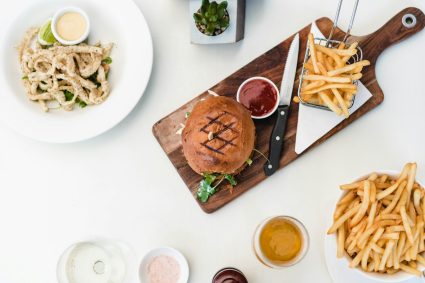
Let’s talk money and time, because those are the biggest enemies of comfort. We often think “comfort” means “takeout,” but that’s a trap. Last month, I spent $64.22 on a delivery order for four people. By the time it arrived, the fries were soggy, the burger was lukewarm, and I felt more annoyed than comforted. Plus, the delivery fee was $7.00 alone! That’s nearly the price of a whole rotisserie chicken.
I’ve realized that the most “expensive” part of comfort food is the cleanup. If a meal requires me to use three different pots, a blender, and a specialized zester, it is not comfort food. It’s a chore. I remember trying to make this elaborate lobster mac and cheese from a fancy magazine in November. I spent $48.15 on the ingredients and three hours in the kitchen. The result? It was okay, but the kitchen looked like a crime scene, and I was too tired to even enjoy the food.

💰 Cost Analysis
$65.00
$12.50
In my journey of learning cooking lessons the hard way, I found that the best comfort meals are the ones that use one pot and under five ingredients. If I have to go to more than one store to find what I need, I’m out. Life is too short for multiple grocery stops on a Tuesday.
The 2026 Comfort Food Hierarchy: What Actually Hits the Spot
Through trial and error (and a lot of burnt toast), I’ve categorized comfort foods into what actually provides a long-term mood boost versus what just gives a temporary spike. This isn’t just my opinion; it’s based on how I’ve felt after tracking my “mood meals” for the last six months.
Tier 1: The “Instant Hug” (10-15 Minutes)
- Grown-up Grilled Cheese: Use sourdough and a mix of sharp cheddar and fontina. I buy a specific block of Kerrygold aged cheddar for $7.49—it makes all the difference.
- Miso Butter Noodles: Just pasta, butter, and a spoonful of miso paste. It’s salty, savory, and takes exactly as long as the pasta needs to boil.
- Breakfast for Dinner: There is something inherently rebellious and cozy about eating eggs and toast at 7 PM.
Tier 2: The “Slow Burn” (Set it and Forget it)
This is where the magic happens. If you can put in 10 minutes of work at 2 PM, you get a 5-star comfort meal at 6 PM. This is how I survived the winter of 2025. I used my slow cooker more than my actual stove. Whether it’s a simple chili or a pot roast, the smell filling the house is part of the therapy.
If you’re looking for more inspiration on how food connects us to the world, I always recommend looking at the best food destinations around the globe. You’ll notice that every culture has its own version of a “one-pot comfort meal.” It’s a universal human need.
Making it Work Without Losing Your Mind
How do we actually implement this? It’s one thing to talk about grilled cheese; it’s another to make it when your kitchen feels like a disaster zone. My secret weapon is the “Emergency Pantry.” I keep a specific shelf in my pantry that is off-limits for everyday snacking. It contains high-quality pasta, a jar of Rao’s marinara (usually $8.99 but worth every penny), and a tin of high-end smoked trout.
Having these items ready means I don’t have to make decisions when I’m tired. Decision fatigue is the number one killer of healthy, comforting habits. When my brain is fried, I don’t want to “innovate.” I want to execute a plan I made when I was calm.
Common Mistakes to Avoid
I’ve made every mistake in the book. One of the biggest? Trying to make comfort food “too healthy.” Look, I’m all for kale, but if you’re trying to make a “comforting” lasagna out of zucchini ribbons and nut cheese, you’re probably going to end up disappointed. Authenticity matters. If you want the pasta, eat the pasta. Just maybe have a small salad on the side so you don’t feel like a lead balloon afterward.

⚠️ Warning: Never try a brand-new, complex recipe when you are already stressed. Comfort food should be familiar. Experiment on Saturdays; stick to the “greatest hits” on weekdays.
Another mistake is ignoring the environment. I used to eat my “comfort” meals while standing over the kitchen island, scrolling through emails. That’s not comfort; that’s just fueling. Now, I make it a point to sit down, even if it’s just for 15 minutes. I’ve even applied this logic to travel—like when I had to navigate the Universal Studios food policies. I realized that finding a quiet corner to eat made even theme park food feel more like a “meal” and less like a chore.
My Go-To Comfort Kit (Product Recommendations)
People always ask what I actually use in my kitchen. I’m not a gadget person—I have a small kitchen and zero patience for things that only do one job. But these three items have been my “ride or die” products throughout 2025 and into 2026.
Actually, I should mention that I almost returned it because it’s a bit bulky, but once I realized it could roast a whole chicken in 45 minutes, it earned its permanent spot on my counter. It’s about making the process manageable.
To be honest, I think some of the comfort comes from just seeing that bright orange pot on my stove. It feels “homey.” It reminds me of the kitchen I want to have, even when my current one is covered in crumbs and school permission slips.
The Emotional Payoff: Why This Matters
ultimately, comfort food is about self-care that you can actually taste. It’s one of the few ways we can quickly change our internal state. When I’m sitting there with a bowl of simple tomato soup (I add a dash of heavy cream and some fresh basil if I’m feeling fancy), the world feels a little less chaotic. The emails can wait. The laundry can stay in the dryer.
I remember a specific night last December. It was raining—one of those rare LA downpours—and I was feeling particularly lonely. My husband was traveling, and the kids were finally asleep. I made a simple bowl of buttered noodles with plenty of black pepper and parmesan. I sat on the sofa, wrapped in a blanket, and just… breathed. That $2.00 bowl of pasta did more for my mental health than any $150 therapy session could have in that moment. It was a reminder that I could take care of myself.
A Note on Balance
I want to be honest: you can’t live on mac and cheese alone. I tried for a week back in college and felt like a zombie. The “2026 way” is about integration. It’s about knowing when you need the “emotional rescue” of a grilled cheese and when you need the “physical rescue” of a green smoothie. Don’t let the “wellness” industry make you feel guilty for wanting a potato. A potato is not the enemy; stress is the enemy.
✅ Key Takeaways
- Focus on Nostalgia: Choose foods that have a positive emotional history for you personally. – Keep it Simple: Use the 5-ingredient, one-pot rule for weekday comfort. – Invest in Tools: A good Dutch oven or air fryer can reduce the “effort” barrier significantly. – Environment Matters: Sit down and put the phone away to actually experience the comfort. – Forgive Yourself: Some days, “comfort” is just a bowl of cereal, and that is perfectly okay.
The answer was right there the whole time. Comfort isn’t something you find in a gourmet cookbook or a trendy restaurant. It’s something you create in your own kitchen, using the flavors of your own life, with as little stress as possible. So, the next time you’re standing in that grocery store aisle feeling like the world is too much, just grab the sourdough and the good cheese. You’ve got this.