The Home Decor Store Mistakes That Cost Me $2,000: My 2026 Guide to Shopping Smart


📖 Definition
Home decor stores are retail outlets specializing in furniture, textiles, lighting, and decorative accessories designed to enhance the aesthetic and functional quality of living spaces.
In 2026, these stores have shifted toward a hybrid model, combining augmented reality (AR) shopping tools with high-touch showroom experiences. Whether you are looking for a $20 throw pillow or a $3,000 performance-fabric sectional, the key is knowing which retailers deliver actual value versus those that just have a great marketing team.
I still remember standing in my living room three years ago, surrounded by boxes from a trendy online-only furniture site. I had spent nearly $2,000 on a “mid-century modern” set that looked stunning in the photos. But the moment I sat on the sofa? It felt like sitting on a concrete slab covered in itchy polyester. To make matters worse, my then-two-year-old immediately spilled grape juice on the “stain-resistant” rug, which turned out to be anything but. It was a total disaster. Since then, through my journey as a lifestyle blogger and a mom of two, I’ve learned that fixing a Pinterest-fail living room starts with choosing the right stores for the right items.
Where to Shop in 2026: My Honest Retailer Breakdown
To be honest, the “best” store depends entirely on your stage of life. When I was 22, IKEA was my holy grail. Now that I’m 38 and dealing with the daily chaos of kids and a dog, my priorities have shifted toward durability and “cleanable” luxury. I recently re-visited my favorite haunts in March 2026 to see who is actually keeping up with quality standards.
Actually, one thing that surprised me recently was the quality jump at Target’s “Threshold” line. I bought a wooden console table there last October for $180, and it has survived three birthday parties and a runaway vacuum cleaner without a scratch. On the flip side, I’ve found that some high-end stores are leaning too hard into “fast furniture” styles while keeping their premium prices. I actually wasted $4,000 before hiring an interior designer because I kept buying pieces that didn’t talk to each other from these mid-range showrooms.
The “High-Low” Strategy: When to Save and When to Splurge
How should I put it? You don’t need a house full of designer furniture to make it look expensive. In fact, some of the most beautiful homes I’ve featured on my blog use a mix of “cheap” finds and one or two “forever” pieces. According to a 2025 Consumer Home Trends report by Statista, 68% of homeowners now prioritize “longevity over trendiness” when purchasing large-scale furniture.

💰 Cost Analysis
$800.00
$2400.00
I’ve learned this the hard way. I used to buy $40 rugs from discount sites every year because the kids would ruin them. Last year, I finally invested in a $600 washable Ruggable for the playroom. It was a steep price jump at the time, but being able to throw it in the wash after a “slime” incident saved me from a total meltdown. If you’re struggling with similar issues, check out these room decor lessons I learned the Hard Way to avoid my early mistakes.
💡 Pro Tip Always check the “rub count” on upholstered furniture. For a family home, you want a Double Rub count of 15,000 or higher to ensure the fabric won’t thin out within a year.
Navigating Online vs. In-Store Shopping
Shopping for home decor in 2026 is a weird experience. Most stores now have those “View in My Room” AR tools. They’re helpful for scale, but they don’t tell you if a fabric feels like sandpaper. I always recommend a “touch test” for anything you’ll spend more than four hours a day on (sofas, beds, office chairs).
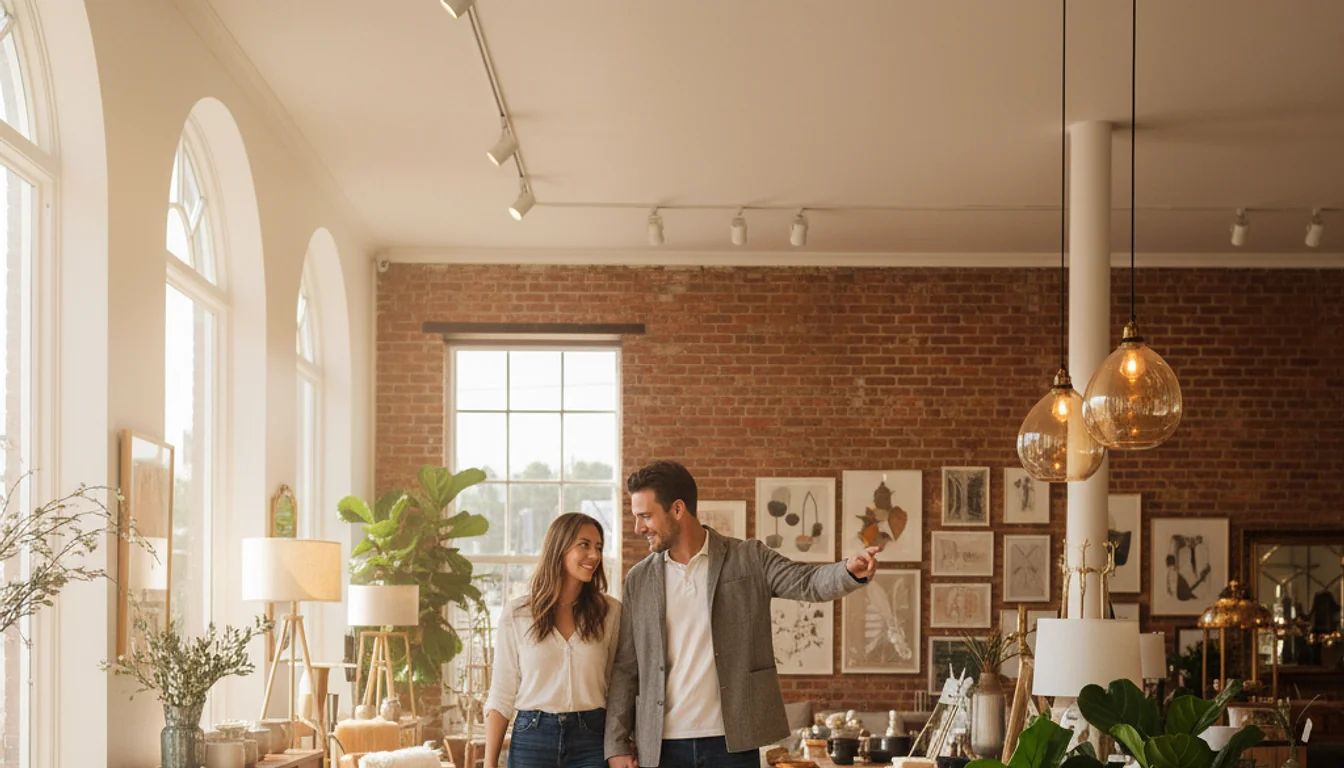
The Benefits of Physical Showrooms
- Color Accuracy: Screen brightness always lies. That “sage green” chair might actually be “neon mint” in person.
- Scale Check: I once bought a floor lamp that looked normal online but arrived looking like it belonged in a giant’s castle.
- Immediate Gratification: No waiting for a freight carrier who may or may not show up during your 8-hour window.
⚠️ Warning: Beware of “final sale” items at online home decor stores. Unless you have seen the item in person, the $200 you save isn’t worth being stuck with a piece you hate.
Sustainable Home Decor: Is it Worth the Premium?
This is a question I get a lot on Instagram. To be honest, “eco-friendly” is often used as a marketing buzzword. However, a 2024 study by the Sustainable Furnishings Council found that furniture containing high levels of VOCs (volatile organic compounds) can off-gas for up to five years, affecting indoor air quality. As a mom, that mattered to me.
I recently started looking for the “GREENGUARD Gold” certification when shopping. It usually adds about 10-15% to the price tag, but for pieces like cribs or master mattresses, I think it’s worth the peace of mind. I remember buying a cheap dresser for my daughter’s nursery that smelled like chemicals for weeks—I ended up moving it to the garage and buying a solid wood one from a local maker instead. It was a $300 lesson in why materials matter.
Common Mistakes to Avoid at Home Decor Stores
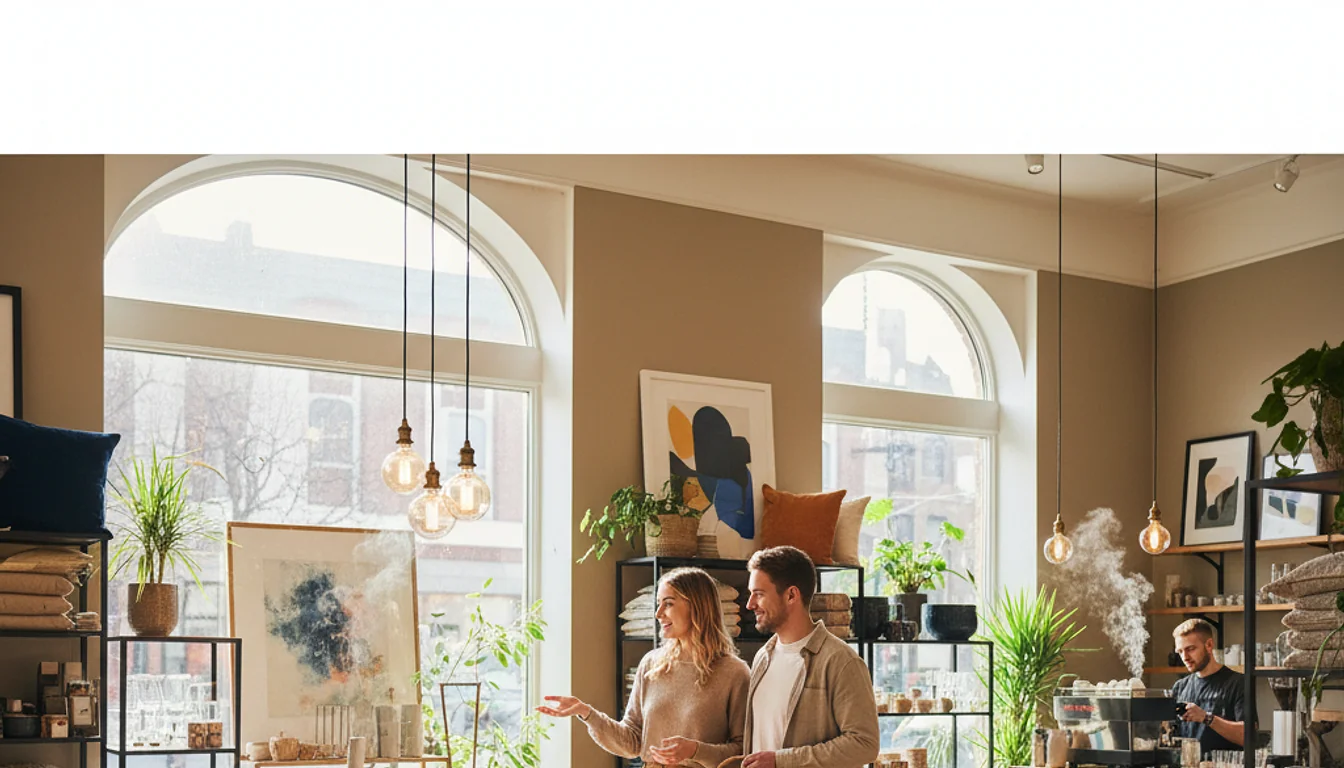
If I could go back to my 30-year-old self, I’d give her a stern talking-to about “buying the set.” You know the ones—the matching sofa, loveseat, and armchair. It’s the easiest way to make your house look like a sterile hotel lobby. Instead, shop across different stores to create a “collected” look.
Another mistake? Ignoring the lighting. Most people shop for furniture but forget that a $50 lamp from a thrift store can change the entire mood of a $5,000 room. I found this amazing brass lamp at a vintage shop in Austin for $35 last summer, and it gets more compliments than my custom-ordered dining table.
[STAT]42% of interior designers cite “poor lighting” as the #1 mistake homeowners make when DIY-decorating — ]
✅ Key Takeaways
- Measure twice, buy once (and then measure again). – Prioritize performance fabrics if you have kids or pets. – Mix high-end investment pieces with budget-friendly accents. – Check for GREENGUARD certifications for items in high-traffic areas. – Don’t buy the entire “room set” from one store; it kills the personality of your home.
🔗 Affiliate Disclosure
This article contains affiliate links to some of my favorite home decor stores. If you purchase through these links, I may earn a small commission at no extra cost to you, which helps me keep this blog running and my coffee cup full!