Is Wellness and Beauty Actually Worth the Hype? My Honest 2026 Journey from Burnt-Out Mom to Balanced


Warning: Undefined variable $ex_word in /www/wwwroot/www.gostyleluxe.com/wp-content/themes/color-newsmagazine/functions.php on line 259
Warning: Undefined variable $case in /www/wwwroot/www.gostyleluxe.com/wp-content/themes/color-newsmagazine/functions.php on line 259
Warning: Undefined variable $ex_word in /www/wwwroot/www.gostyleluxe.com/wp-content/themes/color-newsmagazine/functions.php on line 260
Warning: Undefined variable $case in /www/wwwroot/www.gostyleluxe.com/wp-content/themes/color-newsmagazine/functions.php on line 260
Warning: Undefined variable $case in /www/wwwroot/www.gostyleluxe.com/wp-content/themes/color-newsmagazine/functions.php on line 262
Warning: Undefined variable $ex_word in /www/wwwroot/www.gostyleluxe.com/wp-content/themes/color-newsmagazine/functions.php on line 264
Warning: Undefined variable $ex_word in /www/wwwroot/www.gostyleluxe.com/wp-content/themes/color-newsmagazine/functions.php on line 259
Warning: Undefined variable $case in /www/wwwroot/www.gostyleluxe.com/wp-content/themes/color-newsmagazine/functions.php on line 259
Warning: Undefined variable $ex_word in /www/wwwroot/www.gostyleluxe.com/wp-content/themes/color-newsmagazine/functions.php on line 260
Warning: Undefined variable $case in /www/wwwroot/www.gostyleluxe.com/wp-content/themes/color-newsmagazine/functions.php on line 260
Warning: Undefined variable $case in /www/wwwroot/www.gostyleluxe.com/wp-content/themes/color-newsmagazine/functions.php on line 262
Warning: Undefined variable $ex_word in /www/wwwroot/www.gostyleluxe.com/wp-content/themes/color-newsmagazine/functions.php on line 264
Warning: Undefined variable $ex_word in /www/wwwroot/www.gostyleluxe.com/wp-content/themes/color-newsmagazine/functions.php on line 259
Warning: Undefined variable $case in /www/wwwroot/www.gostyleluxe.com/wp-content/themes/color-newsmagazine/functions.php on line 259
Warning: Undefined variable $ex_word in /www/wwwroot/www.gostyleluxe.com/wp-content/themes/color-newsmagazine/functions.php on line 260
Warning: Undefined variable $case in /www/wwwroot/www.gostyleluxe.com/wp-content/themes/color-newsmagazine/functions.php on line 260
Warning: Undefined variable $case in /www/wwwroot/www.gostyleluxe.com/wp-content/themes/color-newsmagazine/functions.php on line 262
Warning: Undefined variable $ex_word in /www/wwwroot/www.gostyleluxe.com/wp-content/themes/color-newsmagazine/functions.php on line 264
Warning: Undefined variable $ex_word in /www/wwwroot/www.gostyleluxe.com/wp-content/themes/color-newsmagazine/functions.php on line 259
Warning: Undefined variable $case in /www/wwwroot/www.gostyleluxe.com/wp-content/themes/color-newsmagazine/functions.php on line 259
Warning: Undefined variable $ex_word in /www/wwwroot/www.gostyleluxe.com/wp-content/themes/color-newsmagazine/functions.php on line 260
Warning: Undefined variable $case in /www/wwwroot/www.gostyleluxe.com/wp-content/themes/color-newsmagazine/functions.php on line 260
Warning: Undefined variable $case in /www/wwwroot/www.gostyleluxe.com/wp-content/themes/color-newsmagazine/functions.php on line 262
Warning: Undefined variable $ex_word in /www/wwwroot/www.gostyleluxe.com/wp-content/themes/color-newsmagazine/functions.php on line 264
Warning: Undefined variable $ex_word in /www/wwwroot/www.gostyleluxe.com/wp-content/themes/color-newsmagazine/functions.php on line 259
Warning: Undefined variable $case in /www/wwwroot/www.gostyleluxe.com/wp-content/themes/color-newsmagazine/functions.php on line 259
Warning: Undefined variable $ex_word in /www/wwwroot/www.gostyleluxe.com/wp-content/themes/color-newsmagazine/functions.php on line 260
Warning: Undefined variable $case in /www/wwwroot/www.gostyleluxe.com/wp-content/themes/color-newsmagazine/functions.php on line 260
Warning: Undefined variable $case in /www/wwwroot/www.gostyleluxe.com/wp-content/themes/color-newsmagazine/functions.php on line 262
Warning: Undefined variable $ex_word in /www/wwwroot/www.gostyleluxe.com/wp-content/themes/color-newsmagazine/functions.php on line 264
Warning: Undefined variable $ex_word in /www/wwwroot/www.gostyleluxe.com/wp-content/themes/color-newsmagazine/functions.php on line 259
Warning: Undefined variable $case in /www/wwwroot/www.gostyleluxe.com/wp-content/themes/color-newsmagazine/functions.php on line 259
Warning: Undefined variable $ex_word in /www/wwwroot/www.gostyleluxe.com/wp-content/themes/color-newsmagazine/functions.php on line 260
Warning: Undefined variable $case in /www/wwwroot/www.gostyleluxe.com/wp-content/themes/color-newsmagazine/functions.php on line 260
Warning: Undefined variable $case in /www/wwwroot/www.gostyleluxe.com/wp-content/themes/color-newsmagazine/functions.php on line 262
Warning: Undefined variable $ex_word in /www/wwwroot/www.gostyleluxe.com/wp-content/themes/color-newsmagazine/functions.php on line 264
Warning: Undefined variable $ex_word in /www/wwwroot/www.gostyleluxe.com/wp-content/themes/color-newsmagazine/functions.php on line 259
Warning: Undefined variable $case in /www/wwwroot/www.gostyleluxe.com/wp-content/themes/color-newsmagazine/functions.php on line 259
Warning: Undefined variable $ex_word in /www/wwwroot/www.gostyleluxe.com/wp-content/themes/color-newsmagazine/functions.php on line 260
Warning: Undefined variable $case in /www/wwwroot/www.gostyleluxe.com/wp-content/themes/color-newsmagazine/functions.php on line 260
Warning: Undefined variable $case in /www/wwwroot/www.gostyleluxe.com/wp-content/themes/color-newsmagazine/functions.php on line 262
Warning: Undefined variable $ex_word in /www/wwwroot/www.gostyleluxe.com/wp-content/themes/color-newsmagazine/functions.php on line 264
🔗 Affiliate Disclosure
The information in this article is based on my personal experience as a lifestyle blogger and mom. I am not a doctor or licensed aesthetician. Always consult with a healthcare professional before starting new supplements or intense beauty treatments.
🔗 Affiliate Disclosure
This post contains affiliate links. If you click and buy something, I might earn a small commission at no extra cost to you. I only recommend what I actually use in my own bathroom.
Wellness and beauty is the intentional integration of internal health habits—like nutrition and stress management—with external aesthetic routines to create a sustainable, radiant sense of self. In 2026, it is no longer just about buying the most expensive cream; it is about finding the sweet spot where feeling good on the inside actually shows up on your face. This whole approach focuses on long-term vitality rather than quick, surface-level fixes.
I’ll be honest: back in late 2024, my “wellness routine” was basically drinking a third cup of lukewarm coffee and hoping a $12 sheet mask would hide the fact that I hadn’t slept more than four hours. It didn’t work. I looked tired, I felt grumpy, and my skin was doing this weird flaky-yet-oily thing that made me want to hide under a blanket. It wasn’t until March 2025, after a particularly rough morning involving a spilled “green goddess” smoothie and a toddler tantrum, that I realized I was doing it all wrong. I was chasing beauty trends without actually caring for my wellness.
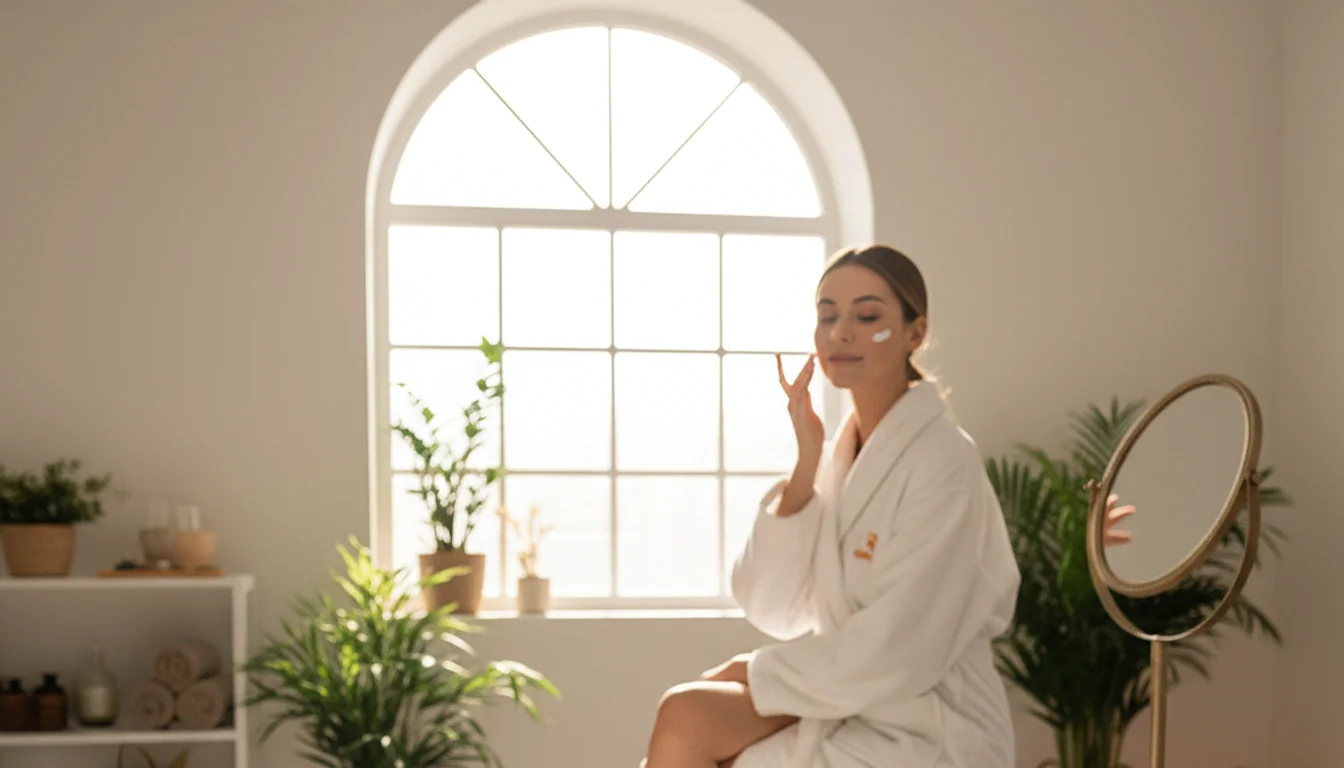
The Moment I Stopped Chasing “Aesthetic” and Started Feeling Better
How should I put it? I was a total sucker for the packaging. If a bottle was pink and looked good on my vanity for an Instagram shot, I bought it. I probably spent $400 in one month at the Sephora near my house in Austin just on things that “looked” like wellness. But my energy was zero. I started reading into the science of glow, and it turns out, your skin is basically a giant billboard for what’s happening in your gut and your head.
According to a 2024 McKinsey & Company report on the “Future of Wellness,” 82% of consumers now prioritize wellness in their daily lives, but many are still overwhelmed by the options. I was definitely in that 82%. I had to learn that Is Beauty Wellness Actually Worth It? isn’t a yes or no question—it’s about the quality of the choices you make. I stopped buying random serums and started looking at my sleep and hydration first. It sounds boring, I know. But it’s the truth.
💡 Pro Tip Stop buying “miracle” creams if you aren’t drinking at least 80oz of water. You can’t hydrate your skin from the outside if the “pipes” are dry on the inside.
The $1,200 Supplement Mistake I Made So You Don’t Have To
To be honest, I fell for the supplement trap hard. I was taking about 12 different pills a morning because some influencer told me I needed “adaptogens” and “collagen boosters.” By June 2025, I realized I was just producing very expensive urine and felt exactly the same. I was skeptical, but I decided to trim it down to the essentials. I actually wrote a whole rant about whether Is Love Wellness Vitamin Actually Worth It? because I needed to see if the brand-name stuff lived up to the hype or if my $15 drugstore multi was fine.
What I found was that bioavailability matters. A 2025 study from the Journal of Dietary Supplements found that nearly 40% of over-the-counter vitamins don’t dissolve properly in the stomach. I was literally wasting money. Now, I stick to three things: a high-quality probiotic, Vitamin D (because I’m always in my “office” closet), and a magnesium supplement at night. Total cost? About $65 a month instead of $300.
💰 Cost Analysis
$310.00
$65.00
The “Beauty” Part: My 2026 Minimalist Skincare Routine
Last Tuesday, while I was trying to organize my bathroom cabinet, I found a bottle of face oil I paid $85 for back in November. It was rancid. That’s the downside of the “clean beauty” movement—without preservatives, things die fast. that said,, I’ve moved toward a less-is-more philosophy that actually works better for my 38-year-old skin.
Morning Routine (The 3-Minute Version)
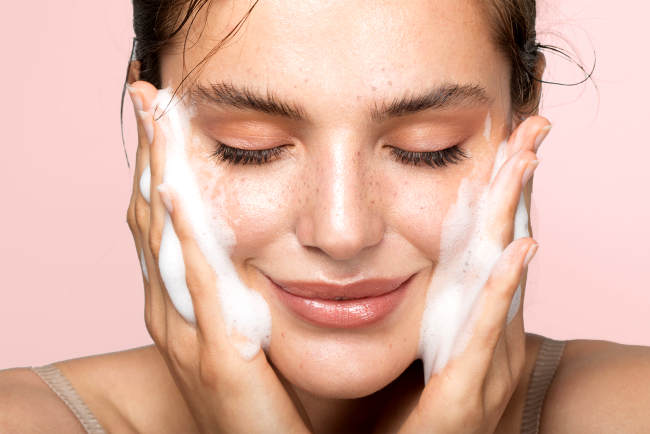
- Gentle Cleanser: I use a $12 milky wash from the CVS on Main Street.
- Vitamin C: This is the one place I spend money ($70) to protect against sun damage.
- SPF 50: If you aren’t wearing this, your $200 night cream is a waste of time.
Evening Routine (The “Mom is Tired” Version)
- Double Cleanse: To get the sticky toddler fingerprints off my face.
- Retinoid: I use a prescription version now; it’s cheaper ($10 co-pay) and works better than the “prestige” stuff.
- Heavy Moisturizer: Something with ceramides to fix my skin barrier.
⚠️ Warning: Don’t start three new products at once. If you have a reaction, you won’t know which one caused the itchy red bumps. (Ask me how I know… it wasn’t pretty).
Real Data: Why This Connection Actually Matters
It’s easy to think this is all just “self-care” fluff, but there is real evidence behind the wellness and beauty link. A 2024 Harvard Medical School article highlighted that chronic stress triggers cortisol, which literally breaks down collagen in your skin. So, when I say that my 10-minute morning meditation is part of my beauty routine, I’m not being “woo-woo”—I’m literally protecting my collagen levels.
I remember sitting in my car last month, crying because I was so overwhelmed with work and the kids. I looked in the rearview mirror and saw how dull my skin looked. It was a physical manifestation of my internal chaos. I took three deep breaths, drank my water, and went for a 15-minute walk. By the time I got home, the “gray” cast on my face was gone. Really. Just like that. Blood flow and oxygen are the best highlighters money can’t buy.

My Final Verdict: Is it Worth the Investment?
Actually… yes. But only if you stop looking at it as a luxury and start looking at it as maintenance. Investing in your wellness and beauty doesn’t mean you need a $5,000 retreat in Bali. It means you stop buying the $7 latte every day and put that $200 a month into high-quality food, a gym membership you actually use, and skincare that has active ingredients, not just pretty smells.
From my personal perspective, the biggest change hasn’t been the wrinkles (they’re still there, let’s be real), but the confidence. When I feel fueled and rested, I don’t feel the need to cake on foundation. I’m okay with the world seeing my real face. And as a mom with a daughter watching my every move, that’s the most “wellness” thing I can do.
✅ Key Takeaways
- Internal health (sleep, hydration, gut) is 70% of the “beauty” battle. – Most expensive supplements are unnecessary; stick to the basics. – Consistency beats intensity every single time. – Stress management is a literal anti-aging treatment.