

How to Build a Men’s Clothing Capsule Without the Stress: My 2026 Practical Guide

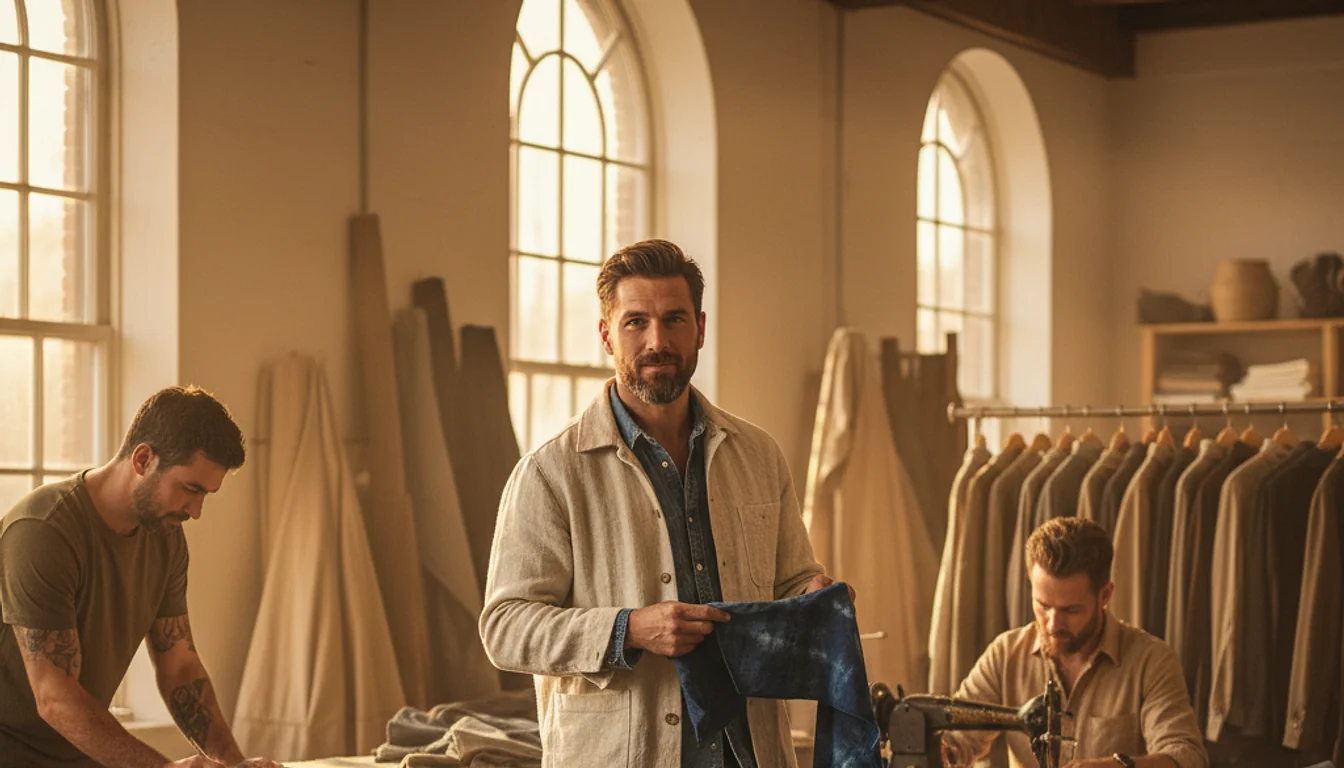
Mens clothing is a category of apparel specifically engineered for the male anatomy, typically prioritizing functional silhouettes, durable textiles, and versatile color palettes. In 2026, the trend has moved toward “intentional utility,” where every piece serves multiple purposes, from office-appropriate chinos to high-performance tech fabrics that look like traditional wool. To be honest, it is about quality over quantity and finding pieces that actually survive a washing machine.
If you walked into my laundry room last Tuesday, you would have seen me staging a literal intervention. My husband, Mark, was trying to sneak a 2018-era concert tee with a literal hole in the armpit back into the drawer. We have been married for twelve years, and for ten of those, his approach to fashion was “if it covers my skin, it works.” But as he hit 40, the “college student” look stopped working for professional dinners. Over the last three years, I have helped him (and my blog followers) navigate the often confusing world of men’s style. It is not about being fancy; it is about not looking like you gave up.
The Essential Five: Building the Foundation
Most guys don’t need a walk-in closet full of options. They need five things that work every single time. According to a 2024 report by Grand View Research, the global menswear market is projected to reach $570 billion by 2026, largely driven by a demand for “versatile basics.” I found that when Mark had too many choices, he defaulted to the same stained hoodie. We stripped it back to the essentials.
- The Perfect Chino: Not too baggy, not “painted on” skinny. Look for 2% elastane for stretch.
- The Heavyweight Tee: Cheap thin shirts bacon-neck after three washes. A 280gsm cotton tee stays crisp.
- The Unstructured Blazer: This was a big deal for us. It feels like a sweatshirt but looks like a suit.
- Dark Indigo Denim: No distressing, no fake whiskers. Just clean navy.
- The “Do-Everything” Sneaker: A clean leather white or brown sneaker.
💡 Pro Tip When buying pants, always check the “rise.” A mid-rise is usually more flattering for dads than the low-rise styles popular with Gen Z.
Why Quality Materials Matter (The Math of It)
I used to be a bargain hunter. I’d grab $12 shirts at the big-box store and feel like a genius. Then I realized I was replacing them every four months because the seams twisted. In early 2025, I did a little experiment with Mark’s wardrobe. We bought one high-end pima cotton shirt for $65 and three “cheap” ones for $15 each. After twenty washes, the cheap ones were gray and misshapen. The pima cotton one still looked brand new.
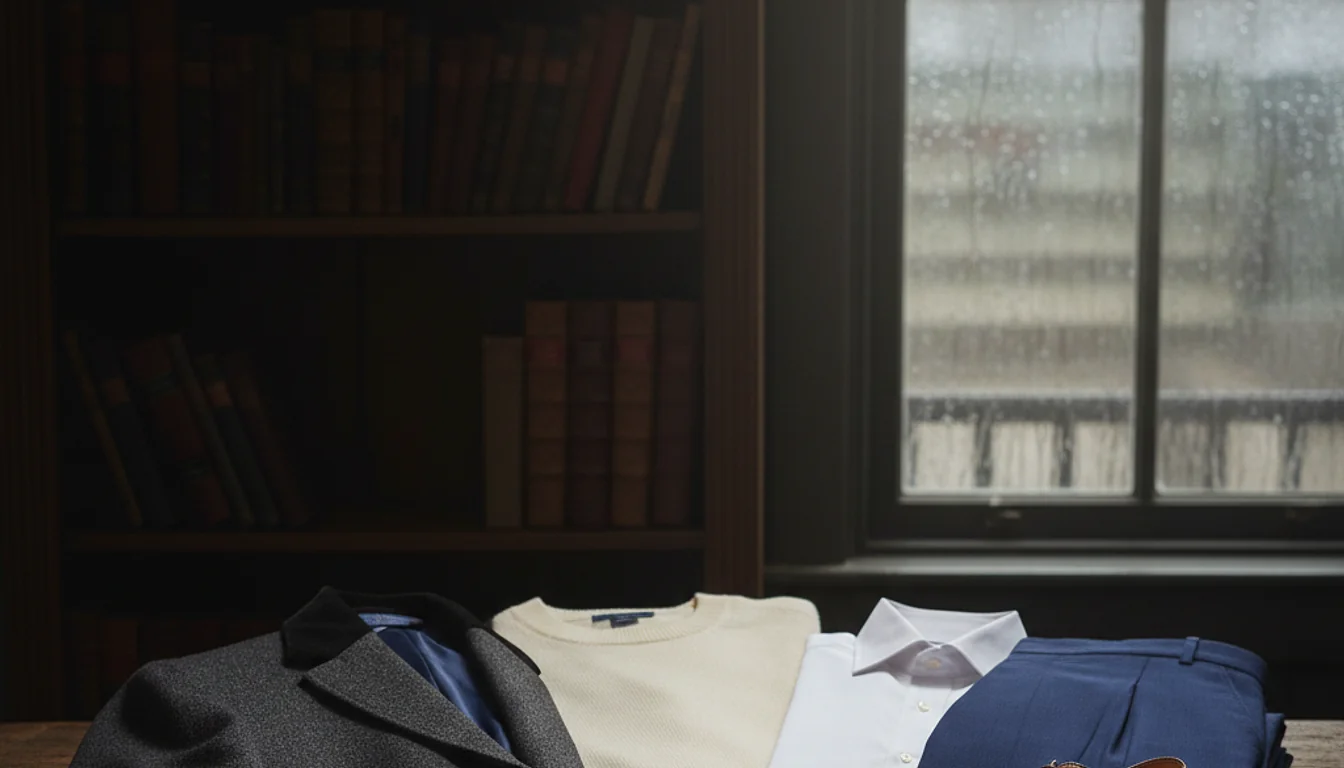
💰 Cost Analysis
$15.00
$65.00
A 2024 study in the Journal of Cleaner Production highlighted that higher-quality long-staple cotton reduces fiber shedding by up to 40%. This means the clothes literally stay together longer. Actually, if you are looking for inclusive sizing while shopping, you might notice that plus size clothing in the men’s sector is finally catching up with better fabric technology in 2026, which is a massive win for everyone.
The Art of the “Mid-Layer”
One mistake I see constantly is men wearing a heavy parka over a t-shirt. It is uncomfortable and looks unfinished. Mastering the art of layering is the secret to looking “put together” without trying too hard. For Mark, this meant introducing the “Overshirt” or “Shacket.”
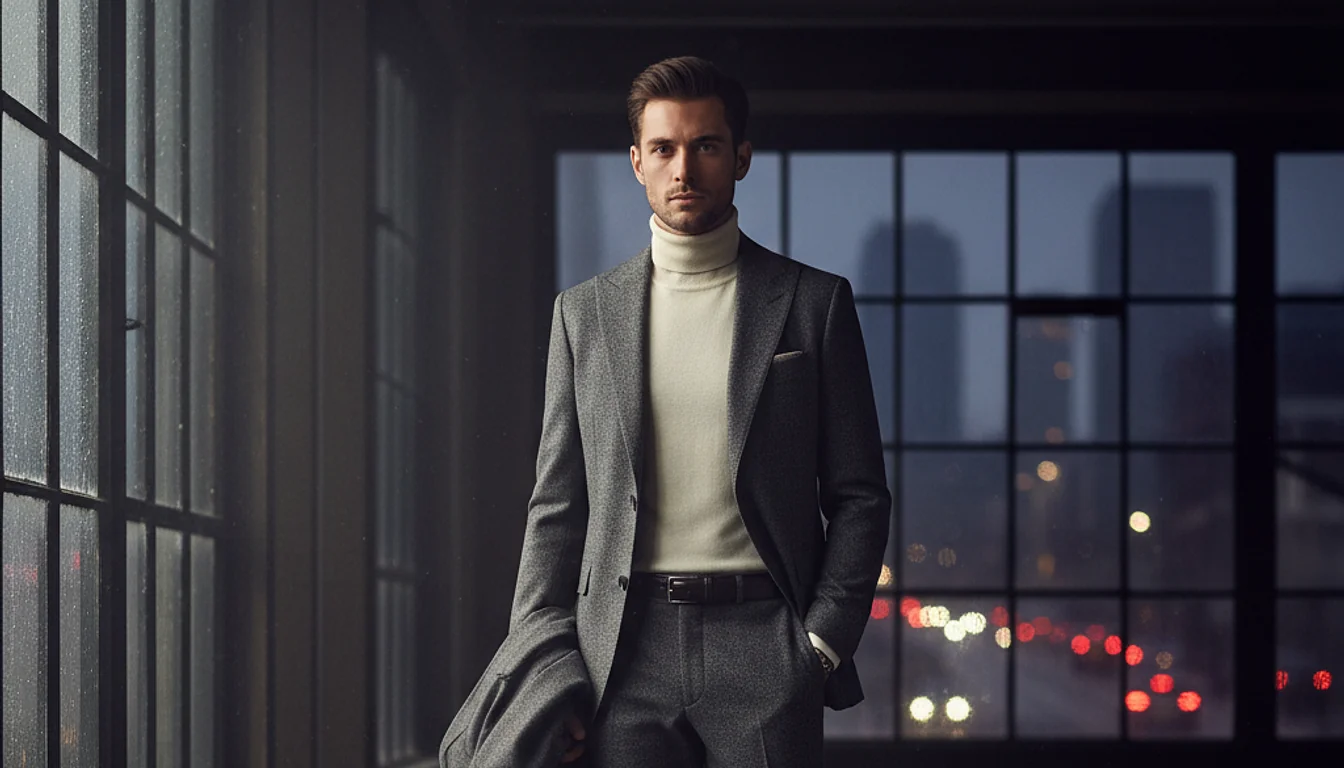
Last October, we went to a chilly outdoor wedding in Vermont. Mark wore a flannel overshirt over a turtleneck. He looked like a style icon, but he felt like he was wearing pajamas. That is the goal. Use a thin merino wool sweater as your base layer; it is breathable and doesn’t hold odors like polyester does. This is particularly important for guys who run hot.
⚠️ Warning: Avoid 100% polyester “dress shirts” sold in multi-packs. They don’t breathe, and they develop a permanent “gym bag” smell after a few wears in the sun.
Where to Spend vs. Where to Save
You do not need to spend $400 on a t-shirt. I don’t care what the “luxury” brands say. However, there are areas where skimping will hurt your feet or your back. I spent $210 on a pair of Thursday Boots for Mark back in 2023, and with one $40 resole at the local cobbler last month, they look better than the day we bought them.
Spend Money On:
- Footwear: Cheap shoes have zero arch support. Your knees will thank you for the investment.
- Outerwear: A good wool coat or technical rain shell should last a decade.
- A Tailor: This is my best advice. I took a $20 shirt from a thrift store to our tailor, Carlos, who charged $15 to take in the sides. It now looks like a $150 custom piece.
Save Money On:
- Underwear and Socks: Buy the multipacks, just stick to 100% cotton or bamboo.
- Trendy Pieces: If it has giant logos or weird neon straps, don’t spend big. It will be out of style by March 2026.
Common Mistakes and How to Avoid Them
I’ve seen it all in my five years of parenting and lifestyle blogging. The biggest crime? Wearing the wrong size. Men often buy clothes a size too big because they think it hides their weight. In reality, it makes them look larger and sloppy. Trust me on this: a shirt that fits your shoulders perfectly will always make you look leaner.

Another thing is color. Many guys get stuck in a “Black, Grey, Navy” cycle. While those are great, adding “Earth Tones” like olive, tobacco, or terracotta can change the whole vibe. We recently added an olive green chore coat to Mark’s rotation, and he gets more compliments on that $85 piece than his expensive suits. It is about approachable style. Even as we see more diversity and inclusivity in the industry, the core principles of fit and color theory remain the same for everyone.
✅ Key Takeaways
- Focus on “Price Per Wear” rather than the initial tag. – Fit is more important than the brand name. – Natural fibers (cotton, wool, linen) beat synthetics for longevity. – A good tailor is a man’s best friend.