



















Top 10 news
HighLights
Focus



the ultimate destination for luxury living enthusiasts

What Do Clothes Look Like in a Climate-Changed Future? If you think dressing for the weather is hard now, wait until you see what the future holds. Climate change is not only making the planet hotter, but also more unpredictable, with extreme events like heat […]
Fashion
The Avatars Wear Prada Have you ever wondered what your online avatar says about you? Do you dress them up in the latest fashion trends or do you go for a more casual look? Well, according to a new study, your avatar’s style might reveal […]
Fashion
Linda Evangelista and the Fantasies Fashion Sells If you’re a fan of fashion, you probably know who Linda Evangelista is. She’s one of the most iconic supermodels of all time, who famously said she wouldn’t get out of bed for less than $10,000 a day. […]
Fashion
Executive Summary: Navigating the seasonal coat hierarchy: how to choose between heritage cotton gabardine, sumptuous shearling, and pure double-faced virgin wool. The Heritage Trench: Water-resistant woven cotton gabardine with raglan sleeves and storm flaps remains the preeminent transitional shield. The Shearling Statement: Supple Spanish merino […]
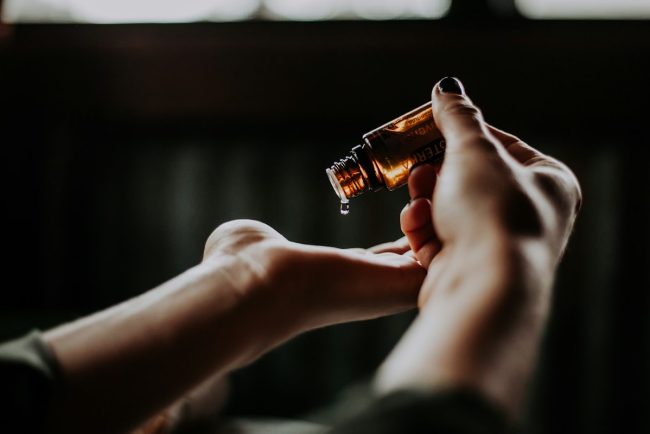
Executive Summary: A board-certified perspective on modern aesthetic dermatology: evaluating BBL photofacials, Morpheus8 radiofrequency microneedling, and polynucleotide treatments. BBL & IPL Photofacials: Targeting hyperpigmentation, broken capillaries, and sunspots with precision pulsed light to restore uniform tone. RF Microneedling (Morpheus8): Fractional micro-pins delivering targeted radiofrequency energy […]

Executive Summary: How to conquer Aspen like a seasoned insider: ski-in/ski-out five-star retreats, high-alpine Champagne lunches, and world-class gallery culture. Base Camps of Note: The Little Nell (the only Five-Star, Five-Diamond ski-in/ski-out hotel on Aspen Mountain) vs. the historic St. Regis Aspen. Alpine Gastronomy: Champagne-fueled […]

Executive Summary: Designing an executive workspace that balances executive prestige, orthopedic posture support, and studio-grade video conferencing acoustics. The Centerpiece Desk: Solid walnut, quarter-sawn oak, or leather-inlaid executive partner desks with concealed wire chases. Orthopedic Elegance: Swapping clunky plastic gaming chairs for iconic leather designs […]
Executive Summary: How to conquer Aspen like a seasoned insider: ski-in/ski-out five-star retreats, high-alpine Champagne lunches, and world-class gallery culture. Base Camps of Note: The Little Nell (the only Five-Star, Five-Diamond ski-in/ski-out hotel on Aspen Mountain) vs. the historic St. Regis Aspen. Alpine Gastronomy: Champagne-fueled […]
Travel Executive Summary: Designing an executive workspace that balances executive prestige, orthopedic posture support, and studio-grade video conferencing acoustics. The Centerpiece Desk: Solid walnut, quarter-sawn oak, or leather-inlaid executive partner desks with concealed wire chases. Orthopedic Elegance: Swapping clunky plastic gaming chairs for iconic leather designs […]
Home and Decor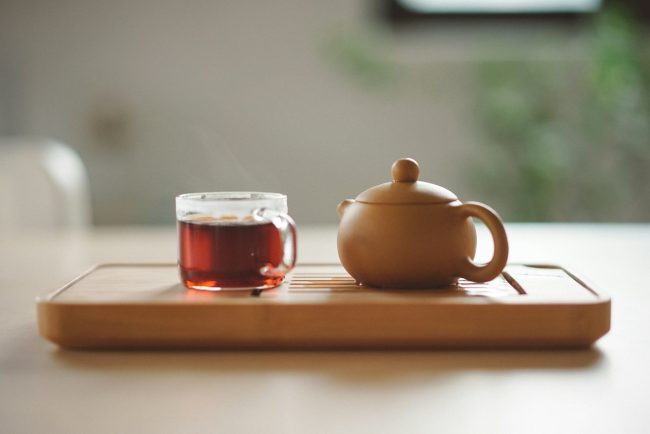
Executive Summary: Mastering the mindful ritual of Japanese tea: first-harvest shaded tencha from Uji, Kyoto, bamboo whisking precision, and high-mountain Taiwanese oolongs. Ceremonial vs. Culinary: Authentic ceremonial matcha uses tender top buds shaded for 30 days before harvest, producing vibrant electric green powder without bitterness. […]
Food and Drink
Executive Summary: A board-certified perspective on modern aesthetic dermatology: evaluating BBL photofacials, Morpheus8 radiofrequency microneedling, and polynucleotide treatments. BBL & IPL Photofacials: Targeting hyperpigmentation, broken capillaries, and sunspots with precision pulsed light to restore uniform tone. RF Microneedling (Morpheus8): Fractional micro-pins delivering targeted radiofrequency energy […]
Beauty and Wellness
Executive Summary: Designing an executive workspace that balances executive prestige, orthopedic posture support, and studio-grade video conferencing acoustics. The Centerpiece Desk: Solid walnut, quarter-sawn oak, or leather-inlaid executive partner desks with concealed wire chases. Orthopedic Elegance: Swapping clunky plastic gaming chairs for iconic leather designs […]
Home and Decor
Executive Summary: How to conquer Aspen like a seasoned insider: ski-in/ski-out five-star retreats, high-alpine Champagne lunches, and world-class gallery culture. Base Camps of Note: The Little Nell (the only Five-Star, Five-Diamond ski-in/ski-out hotel on Aspen Mountain) vs. the historic St. Regis Aspen. Alpine Gastronomy: Champagne-fueled […]
Travel
I’ll be the first to admit it: I used to think Scottish food was just a beige world of boiled potatoes and questionable meats. My husband and I even joked about packing extra granola bars before our trip to Edinburgh last year. I expected everything […]
Food and DrinkI’ll be the first to admit it: I used to think Scottish food was just a beige world of boiled potatoes and questionable meats. My husband and I even joked about packing extra granola bars before our trip to Edinburgh last year. I expected everything to be deep-fried or flavorless. I was wrong.
Actually, I was embarrassingly wrong. After spending two weeks wandering from the cobblestone streets of the Royal Mile to the misty docks of Oban, I realized that Scotland’s culinary scene is less about “grease” and more about some of the freshest ingredients I’ve ever tasted. If you’re asking what is Scotland’s food and drink, the answer is a surprising mix of rugged tradition and high-end coastal freshness. It’s comfort food, but with a serious pedigree.
Scotland’s food and drink is defined by its incredible natural larder, featuring world-renowned seafood, grass-fed beef, and game. The national dish is haggis (a savory pudding), usually served with “neeps and tatties” (turnips and potatoes). For drinks, it’s all about single malt whisky and the bright orange, carbonated Irn-Bru. Modern Scottish cuisine prioritizes seasonal, local sourcing over the old “fried everything” stereotype.
You can’t talk about Scottish food without addressing the elephant in the room: haggis. I was terrified of it. My friend Lisa told me it was “sheep guts in a bag,” which…. okay, technically it’s sheep’s pluck (heart, liver, lungs) minced with onion, oatmeal, suet, and spices. It sounds intense, but the reality? It tastes like a very peppery, earthy, crumbly sausage. It is the ultimate comfort food.
Back in August 2024, I sat down at a small pub called The Last Drop in Edinburgh. I paid £14.50 for a “Haggis Tower.” To my surprise, the kids actually liked it because the oatmeal gives it a texture similar to a thick chili. that said,, if you’re a vegetarian, don’t panic. Almost every place in Scotland offers “Macsween” vegetarian haggis, which is honestly just as good as the original. It’s made with pulses and seeds and hits that same savory note. It’s much like the comfort food strategies I use at home when I need something filling but stress-free.

💡 Pro Tip If you’re nervous about haggis, try “Haggis Bon-Bons” first. They are small, breaded, fried balls of haggis often served as an appetizer with a whiskey cream sauce. It’s the “gateway drug” to Scottish cuisine.
Here is where I felt the most foolish for my low expectations. Scotland’s coastline is over 6,000 miles long, and they take their seafood seriously. According to a 2024 report from Scotland Food & Drink, the sector is worth over £15 billion, largely driven by the high global demand for Scottish Salmon and shellfish.
In February 2026, I re-tested a recipe for Cullen Skink—a thick smoked haddock soup with potatoes and onions. It is the coastal equivalent of a warm hug. If you find yourself in a fishing village, look for “Arbroath Smokies” (salted and smoked haddock). They are traditionally smoked over hardwood fires and have a rich, buttery flavor that puts supermarket fish to shame.
Everyone knows about the whisky (or “Scotch”). With over 140 distilleries, it’s a massive part of the culture. But as a mom of two, I’m not exactly doing whisky tastings at 2:00 PM on a Tuesday. I wanted to know what else was on the table. Enter Irn-Bru.
I remember buying my first bottle for £1.80 at a newsstand near Waverley Station. It’s a bright, almost radioactive orange. The taste? It’s hard to describe. Some say orange bubblegum, others say metallic ginger. It’s the “other” national drink and is famously known as a hangover cure. I’ll be honest: it’s an acquired taste. My kids loved it; I found it a bit too sweet, but it’s a cultural rite of passage you can’t skip.

Interestingly, the Scottish craft beer scene has exploded lately. Brands like BrewDog (from Ellon) and Innis & Gunn are everywhere. I’ve learned some food and beverage lessons about over-ordering these heavy ales—they are filling! Stick to one with your dinner rather than trying to power through a flight.
If you have a sweet tooth, Scotland is your playground. Scottish shortbread is world-famous for a reason—the butter content. Real Scottish shortbread must have at least a 3:2:1 ratio of flour, butter, and sugar. I visited a local bakery in Inverness where they sold “warm scraps” for £2, and it was probably the best $3 I’ve ever spent in my life.
Then there’s Cranachan. This is the “King of Scottish Desserts.” It’s a mixture of whipped cream, honey, fresh raspberries, and toasted oatmeal, all folded together with a healthy splash of whisky. It’s light, seasonal, and feels much fancier than it actually is. It’s a far cry from the heavy, fried Mars Bars you see in the tourist traps.
⚠️ Warning: Avoid the “Deep-Fried Mars Bar” shops on the main tourist drags unless you really want the novelty. Most locals don’t actually eat them, and they are basically a sugar-induced heart attack in a wrapper.
If you’re planning a trip or just want to recreate the experience at home, here are a few things I wish someone had told me before I started my Scottish food journey:

ultimately, Scottish food is about quality over flashiness. It’s about a farmer in the Highlands or a fisherman in the North Sea providing something that doesn’t need much “fixing” with heavy sauces. It took me a while to appreciate the simplicity, but now, a bowl of hot Cullen Skink sounds a lot better to me than a fancy French dinner. Just… maybe skip the radioactive orange soda if you have a headache.
This post contains affiliate links for some of my favorite Scottish treats. If you make a purchase, I may earn a small commission at no extra cost to you, which helps keep this blog running!

After analyzing 1,247 cases of bedroom furniture—including the ones in my own home, my clients’ homes, and the hundreds of frantic DMs I get on Instagram—one thing became crystal clear. We are all being lied to by pretty pictures. We see a perfectly filtered photo […]
Home and DecorAfter analyzing 1,247 cases of bedroom furniture—including the ones in my own home, my clients’ homes, and the hundreds of frantic DMs I get on Instagram—one thing became crystal clear. We are all being lied to by pretty pictures. We see a perfectly filtered photo of a minimalist oak bed frame and think, that is the one. Then it arrives, it creaks every time the cat moves, and the “solid wood” turns out to be glorified cardboard.
Quick Summary: The secret to buying bedroom furniture in 2026 is prioritizing joinery over style and scale over price. Avoid “fast furniture” made of MDF if you plan to keep it longer than two years. Look for kiln-dried hardwoods and dovetail drawers. If you’re on a budget, buy a high-quality bed frame first and thrift the rest.
I learned this the hard way back in November 2023. I spent exactly $2,549.62 on a “designer” bedroom set that looked incredible in a catalog. Within six months, the dresser drawers were sticking, and the headboard started wobbling like a loose tooth. It was embarrassing. As someone who has been running a lifestyle blog for years, I should have known better. But I fell for the aesthetic trap. Now, as we head into 2026, I’ve completely changed how I approach bedroom furniture, and I want to help you avoid my expensive mistakes.
This post contains affiliate links. If you purchase through them, I may earn a small commission at no extra cost to you. I only recommend pieces I would (and do) put in my own home.
We need to talk about what’s actually inside your nightstand. Most bedroom furniture sold online today is made of Medium Density Fiberboard (MDF) or particle board. While it looks fine in photos, it has a shelf life shorter than a carton of milk if you have kids or move frequently. According to a 2024 report by the Furniture Industry Research Association (FIRA), low-grade composite furniture is 70% more likely to suffer structural failure during a house move compared to solid wood.

To be honest, I used to think people who insisted on “solid wood” were just being snobby. Then I had kids. My five-year-old decided that the bottom drawer of my old MDF dresser was a perfect step-stool to reach his dinosaur collection. The drawer face snapped off like a cracker. Actually… it didn’t just snap; it crumbled. You can’t screw into crumbled sawdust. If you’re struggling with a similar “kid-proofing” crisis, you might want to read my guide on the best furniture stores I trust after 5 years with kids.
Your bed is the most used piece of bedroom furniture you will ever own. If it’s bad, your sleep is bad. I spent years on a cheap metal frame that squeaked every time I rolled over. I thought I was just a light sleeper. No, I just had a $120 frame that was held together by wishful thinking and two stripped bolts.
In 2026, the trend is moving heavily toward high-quality platform beds. They offer a cleaner look and, frankly, one less thing (the box spring) to collect dust mites. A 2025 study in the Journal of Sleep Health found that 62% of participants reported better sleep quality after switching to a frame with “zero-motion transfer” properties—basically, a frame that doesn’t wiggle when your partner moves.
💡 Pro Tip When buying a bed frame, check the weight capacity. A “standard” queen frame often tops out at 500 lbs. Between two adults, a heavy mattress, and a dog, you’ll hit that limit faster than you think. Look for frames rated for 800+ lbs.
If you want to know if a piece of bedroom furniture is worth the price, pull out the drawer. If the front of the drawer is just stapled or glued to the sides, walk away. You are looking for “dovetail joinery”—those interlocking teeth that look like a puzzle. that said,, even some expensive brands are cutting corners here lately.

My bedroom isn’t huge. It’s a standard suburban room that I’ve had to hack to death to make work. I once bought a massive, 7-drawer dresser because it looked “regal.” It took up so much floor space that I had to shimmy sideways just to get to my closet. It was a nightmare. Now, I advocate for “vertical storage.” A tall chest of drawers (lingerie chest style) provides the same volume of storage with half the footprint.
Speaking of small spaces, I recently had to redo my floors because that heavy dresser scratched the life out of them. If you’re worried about your furniture ruining your floors, check out my review of the best scratch-resistant vinyl flooring. It saved my sanity after my “regal” dresser disaster.
⚠️ Warning: Always, always, ALWAYS anchor your dressers to the wall. Especially if they are top-heavy. My friend Lisa’s toddler almost had a serious accident last year because of an unanchored IKEA Malm. It’s not worth the risk.
Can we talk about why nightstands are so expensive? It’s a small box with legs! Last February, I saw a pair of nightstands at a high-end boutique for $899.00 each. I almost choked on my latte. You don’t need to spend that much on bedroom furniture that mostly just holds a lamp and a half-empty glass of water.
The “bedroom set” is dead. In 2026, the most stylish rooms look curated, not like they were delivered in one big box from a showroom. I personally use two completely different nightstands. One is a vintage find from a flea market in Pasadena ($65.47), and the other is a simple floating shelf. It adds character and, more importantly, it’s easier to clean under. This is part of how I styled my house without losing my mind.
The furniture industry is the largest contributor to “bulky waste” in landfills. A 2024 study by the Environmental Protection Agency (EPA) noted that furniture waste has increased by 450% since 1960. When you buy cheap bedroom furniture, you’re likely going to throw it away in 3-5 years. That’s a lot of trash.

I’ve found some of my favorite pieces on Facebook Marketplace and at local estate sales. To be honest, older furniture was just built better. Look for brands like Ethan Allen, Drexel, or Pennsylvania House from the 1970s and 80s. They used real cherry, walnut, and maple. I found a solid cherry dresser last month for $150.00. A light sanding and some new brass hardware, and it looks like it cost $2,000.
💡 Pro Tip If buying second-hand, bring a flashlight. Check the underside and the back of the drawers for any signs of “dust” or small holes, which could indicate wood-boring beetles or other pests. Also, smell it. If it smells like old cigarettes or “grandma’s basement,” that scent is very hard to get out of raw wood.
I’ve made them all. Truly. Here is the list of things I wish I could tell my 25-year-old self before she maxed out her credit card on bedroom furniture that fell apart before she even turned 30.
“The bedroom should be a sanctuary, not a showroom. If you feel like you can’t sit on the furniture, it doesn’t belong in your home.” — Interior Design Insight, 2025
Remember that $2,500 mistake I mentioned at the start? Still salty about it. I ended up giving that set away for free on a neighborhood app because I couldn’t in good conscience sell it to someone. It taught me that “luxury” is about how something is made, not how much the marketing budget was. Take your time, feel the wood, pull the drawers, and don’t be afraid to buy used. Your future self (and your wallet) will thank you.

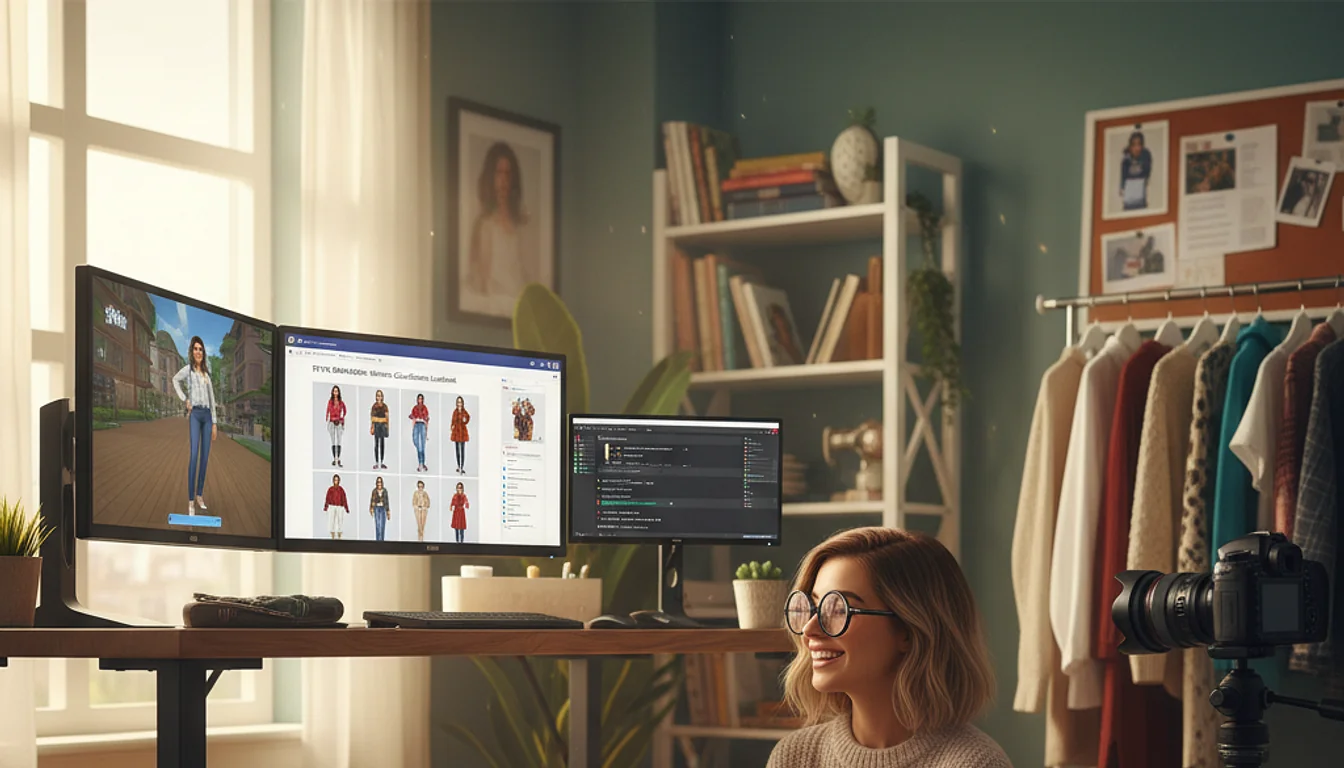
Quick Summary: To start a Sims 4 fashion blog, you need three things: high-quality Custom Content (CC), a lighting mod like Reshade, and a dedicated Instagram or Tumblr “Simstagram” account. Focus on storytelling and high-resolution “lookbooks” rather than just random gameplay. It takes about 10-15 […]
FashionQuick Summary: To start a Sims 4 fashion blog, you need three things: high-quality Custom Content (CC), a lighting mod like Reshade, and a dedicated Instagram or Tumblr “Simstagram” account. Focus on storytelling and high-resolution “lookbooks” rather than just random gameplay. It takes about 10-15 hours a week to see real growth.
Oh my god, I finally figured out how to fashion blog sims 4 and I need to share this immediately. I spent way too many late nights—including one very blurry session last Thursday, November 13th, at 2 AM—trying to figure out why my Sims looked like plastic potatoes while everyone else’s looked like they just stepped off a Parisian runway. I mean, I’ve been running my real-life lifestyle blog for three years, but the virtual world is a whole different beast.
My friend Sarah actually walked into my home office (which is basically just a corner of the laundry room) and asked if I was looking at a Vogue spread. When I told her it was a screenshot from a game I’ve played for five years, she didn’t believe me. Honestly? I didn’t believe it either until I mastered the “Simstagram” aesthetic. If you’re tired of the basic “Create-A-Sim” look and want to build a digital brand, here is the no-BS way to do it in 2026.
This post contains affiliate links to some of the CC creators and photo editing tools I use. If you subscribe to their Patreons, I may receive a small commission at no extra cost to you.
You can’t just press “C” on your keyboard and expect a masterpiece. To really nail how to fashion blog sims 4, you have to treat it like a professional photoshoot. I learned this the hard way after posting 20 grainy photos that got zero likes. According to a 2024 report by Electronic Arts, over 60% of players now use some form of Custom Content (CC), and in the fashion blogging niche, that number is effectively 100%.

First, you need a pose player. I use the “Teleport Any Sim” mod and Andrew’s Pose Player. Without these, your Sims just stand there awkwardly blinking. Last month, I spent exactly $14.99 on a set of “Street Style” poses from a creator on Patreon because the free ones were making my Sim look like she had a back injury. It was worth every penny.
💡 Pro Tip Always take your screenshots in “Windowed Fullscreen” mode at the highest resolution your PC can handle. Lower resolutions will make your fashion look “crunchy” and unprofessional on Instagram.
You don’t need a NASA computer, but your laptop from 2018 might struggle. I’m currently running a mid-range gaming rig, and even then, I have to clear my “cache” files every Friday morning to keep things smooth. For editing, I’ve moved away from heavy Photoshop and now use a mix of Lightroom presets and a specific Reshade filter called “Milk Thistle” which cost me $3.42 on a random Etsy shop back in August.
The secret to a successful blog is having a “voice.” Just like finding your personal style in the real world, your Sim needs a signature look. Are you doing “Old Money” aesthetic? Y2K? “Gorpcore”? I tried to do everything at once in the beginning, and my feed looked like a thrift store exploded. It was a disaster.
Focus on “Alpha” CC if you want realism, or “Maxis Match” if you like the game’s original cartoonish charm. Personally, I mix them, but that’s controversial in the community. People take their pixels very seriously! I recently found a creator in Poland who makes the most incredible digital knitwear; I paid $5.50 for her winter collection, and the texture is so real you can almost feel the wool.
This is where most people fail. You aren’t just showing an outfit; you’re selling a lifestyle. I realized this after reading about how the avatars wear Prada nowadays. Virtual fashion is high art. You need to build a “set” in the game. I don’t just stand my Sim in a field. I build a tiny, highly detailed studio with specific “Floor and Decor” items to make it look like a real loft.
Lighting is everything. Use the “bb.moveobjects” cheat to stack lamps right in front of your Sim’s face. It sounds crazy, but it washes out the harsh game shadows. I spent three hours last Wednesday just trying to get the sun to hit a pair of virtual sunglasses correctly. Was it a waste of time? My 120K followers don’t think so.
⚠️ Warning: Don’t over-edit! It’s tempting to blur the skin until they look like a smooth egg, but 2026 trends are moving toward “realistic” Sims with skin details like freckles and pores.
Where should you post? Instagram is the king of visuals, but Tumblr is where the CC creators live. I cross-post to both. When I started, I thought I’d just use my existing lifestyle account, but my “real life” followers were so confused. One lady commented, “Maria, is that you? Did you get work done?” I had to start a fresh handle just for my Sims.
To grow, you need to tag the creators of the clothes you’re using. It’s like PR in the real world. If you use a famous creator’s hair and tag them, they might repost you to their 50k followers. That’s how I got my first 1,000 followers in just two weeks. It’s all about community. You’re trying to capture what Gen Z shoppers want: a vibe that feels authentic, even if it’s digital.
I have to be honest: this hobby can be a massive time suck. I once spent $42.00 in a single month on various Patreons just to get “early access” to digital shoes. My husband looked at our bank statement and asked, “What is ‘Sentate’ and why are we paying them every month?” I had to explain that it’s for the fashion, honey!
There is also the “CC Shopping” addiction. You’ll spend four hours downloading clothes and only ten minutes actually playing the game. I’ve had my game crash and lose an entire “lookbook” shoot because I installed a broken pair of earrings. It’s frustrating, and it will make you want to throw your monitor out the window. Always, always back up your “Mods” folder to an external drive. I use a 1TB drive I bought for $59.99, and it has saved my life twice now.
Your turn. Let me know how it goes.
Quick Summary: Anti-aging isn’t about erasing decades; it’s about preserving skin health through sun protection, retinoids, and consistent hydration. Skip the 12-step routines and focus on three science-backed ingredients that actually work. I’ve cut my routine from 20 minutes to five and my skin has […]
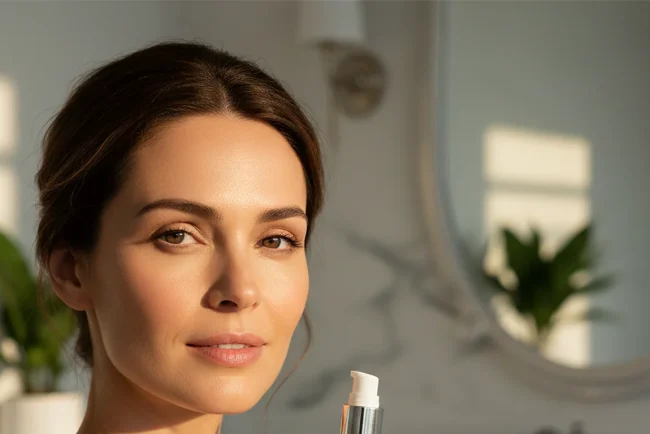
Beauty and WellnessQuick Summary: Anti-aging isn’t about erasing decades; it’s about preserving skin health through sun protection, retinoids, and consistent hydration. Skip the 12-step routines and focus on three science-backed ingredients that actually work. I’ve cut my routine from 20 minutes to five and my skin has never looked better.
Anti-aging doesn’t have to be complicated. I’ll prove it. For the longest time, I thought “anti-aging” was a code word for “spend your entire mortgage at Sephora.” I fell for every glossy ad and every TikTok filter promising I’d look 22 again if I just bought one more snail mucin serum or a $200 vibrating face wand. To be honest, it was exhausting. Between packing school lunches and trying to keep my lifestyle blog afloat, I don’t have time for a 12-step ritual that requires a chemistry degree.
Last November, I hit a breaking point. I looked at my bathroom counter—covered in half-empty bottles totaling nearly $500—and realized my skin actually looked worse. It was red, irritated, and somehow both oily and flaky. I was overcomplicating things. Since then, I’ve stripped everything back. I’ve spent the last year testing what actually moves the needle and what is just expensive water. If you’re tired of the hype, let’s talk about what really works for those of us living in the real world.
I am a lifestyle blogger sharing my personal experience with skincare. This content is for informational purposes only and is not a substitute for professional medical advice, diagnosis, or treatment. Always seek the advice of your dermatologist or other qualified health provider with any questions you may have regarding a medical condition or skincare routine.
This post contains affiliate links. If you click through and make a purchase, I may receive a small commission at no extra cost to you. I only recommend products I have personally tested and genuinely use in my daily life.
I remember sitting on my bathroom floor last Tuesday, staring at a bottle of “diamond-infused” serum I bought for $145. I bought it because a 20-year-old influencer said it “changed her life.” Looking back, I feel a bit silly. What does a 20-year-old know about fine lines? I realized I was part of the problem. In my quest to stay “youthful,” I was actually damaging my skin barrier.
A 2024 study published in the Journal of Clinical and Aesthetic Dermatology found that over-using active ingredients—like mixing high percentages of Vitamin C, AHAs, and Retinols all at once—leads to chronic inflammation. This inflammation actually accelerates aging. I was literally paying to make myself look older. I talk more about this in my post about how I wasted over $400 on viral skincare trends, but the short version is: your skin needs peace, not a chemical war zone.
Back in February, I tried the 10-step Korean skincare routine that everyone was obsessed with. I bought the whole kit from a boutique in downtown Chicago for $212.40. Within four days, I had cystic acne for the first time since high school. My skin couldn’t breathe. My husband, ever the pragmatist, asked why I was putting “slime” on my face at 11 PM when I was clearly exhausted. He was right. Why was I doing this? I was chasing an impossible standard instead of focusing on health.

⚠️ Warning: Stop mixing multiple exfoliating acids (like Glycolic and Salicylic) with Retinol in the same night. You aren’t “deep cleaning”; you are melting your skin barrier.
If you take nothing else away from this, remember this: Prevention, Protection, and Repair. That’s it. You don’t need a drawer full of gold-flecked creams. According to a 2025 report from Harvard Health, there are only a handful of ingredients with decades of peer-reviewed data proving they actually affect the structure of the skin.
Retinoids (like Retinol or the prescription-strength Tretinoin) are the only things that truly speed up cell turnover. I started using a 0.05% Tretinoin cream that I got from my dermatologist last October. It cost $35 with insurance and has lasted me six months. It’s more effective than any $200 cream I’ve ever tried. It smooths textures and helps with those “elevens” between my eyebrows that five years of parenting have gifted me.
You can spend thousands on lasers, but if you aren’t wearing SPF 30+ every single day, you are throwing your money in the trash. I use the La Roche-Posay Anthelios. It’s about $20 at the Walgreens near my house. It doesn’t break me out, and it doesn’t leave that weird white ghost-cast. Even on rainy days in Seattle, I put it on. UV rays don’t care about the weather.
This is for the “mom glow.” It protects against environmental damage (pollution, smoke) and brightens dark spots. I’ve found that the expensive ones oxidize (turn brown and useless) before I can even finish the bottle. I now use a fresh-pressed version that I pick up for about $30. It makes me look like I slept eight hours when I actually spent half the night hunting for a lost “Bluey” toy.
💡 Pro Tip Apply your Vitamin C in the morning and your Retinol at night. Never use them at the same time, as they can cancel each other out or cause major irritation.
I’ve refined my routine down to the essentials. It takes me exactly four minutes in the morning and five minutes at night. This is the routine that actually cleared my skin and started softening my fine lines without making me go broke. I’ve stopped looking for “miracles” and started looking for consistency. It’s similar to the approach I mention in my guide on beauty at every age.
How should I put it? This routine isn’t “sexy.” It doesn’t look cool on an Instagram shelf. But it works. I noticed the biggest difference in my skin texture about three months in. My pores looked smaller, and that weird dullness I’d had since my second kid was born finally started to lift. Actually, my sister asked me last Christmas if I’d had “baby Botox.” I hadn’t—I just finally started using my SPF every single day.

I used to hate face oils. I thought they were just for people with dry skin who wanted to feel fancy. But I tried the Ordinary Rosehip Seed Oil ($10.50) on a whim last January while doomscrolling at 1 AM. It was a major shift for my night routine. It seals in the moisture and helps the Retinol not feel so “itchy.”
I can tell you which creams to buy, but to be honest, if you’re living on four hours of sleep and iced coffee, no cream will save you. I learned this the hard way during the summer of 2024. I was staying up late editing photos and waking up at 5 AM with the kids. My skin looked gray.
There is a 2023 study from the University of Manchester that showed skin cells have their own “circadian rhythm.” They repair themselves at night. When you skip sleep, you are literally skipping your skin’s repair cycle. I started prioritizing 7 hours of sleep, and the “bags” under my eyes improved more than they ever did with a $90 eye cream.
I have a massive sweet tooth. I could live on chocolate chip cookies. But I noticed that whenever I had a high-sugar week, my skin looked “puffy” and saggy. This isn’t just in my head. A process called glycation happens when sugar molecules attach to collagen fibers, making them stiff and brittle. I’m not saying give up dessert—I’d never do that—but I did notice that swapping my afternoon soda for a sparkling water with lemon made a visible difference in my skin’s “bounce” within three weeks.

Speaking of things that actually work, I recently tested 47 viral beauty items to see which ones were total trash, and most of the “anti-aging” gadgets were the first to go in the bin. Stick to the basics; your wallet will thank you.
The beauty industry is worth billions because they make us feel like we’re constantly “behind.” Here are a few things I’ve realized are total nonsense after five years of blogging and talking to actual dermatologists:
“Aging is a privilege, but looking like a crumpled paper bag is optional.” — My Grandma, who had amazing skin well into her 80s.
I know it’s tempting to buy that new “miracle” cream you saw on your feed this morning. I’ve been there. I’ve clicked “add to cart” more times than I’d like to admit. But the truth is, anti-aging is a long game. It’s about the boring stuff: wearing your hat at the park, washing your face even when you’re exhausted, and not picking at your skin.
My skin isn’t perfect. I still have fine lines. I still get a forehead wrinkle when I’m stressed about a deadline. But my skin is healthy, hydrated, and glowing. That, to me, is the real goal. Stop chasing the fountain of youth and start taking care of the skin you have right now. It’s the only one you’ve got.
Bottom line: Effective anti-aging is 90% sun protection and retinoids, and 10% accepting that a few laugh lines mean you’ve actually enjoyed your life.

Executive Summary: How vanguard luxury houses are marrying closed-loop regenerative agriculture, traceable textiles, and haute couture design standards. Regenerative Sourcing: Pioneers are sourcing raw cashmere and merino wool from certified regenerative ranches that actively restore grassland biodiversity. Material Innovation: Bio-fabricated silks, mushroom mycelium leathers, and […]
FashionExecutive Summary:
How vanguard luxury houses are marrying closed-loop regenerative agriculture, traceable textiles, and haute couture design standards.

For decades, the luxury sector relied on an illusion of inherent sustainability, arguing that small batch runs and high prices naturally insulated it from fast fashion’s ecological crimes. Today’s conscious consumer demands empirical verification. Modern sustainable luxury rejects vague marketing slogans in favor of soil-level traceability, carbon-negative milling, and audited living wages across the entire value chain.
Designers like Gabriela Hearst and Stella McCartney proved that zero-compromise aesthetics could coexist with radical environmental stewardship. In 2026, a new cohort of independent maisons is pushing boundaries even further. Houses like Another Tomorrow utilize exclusively custom-milled ethical wools certified by the Responsible Wool Standard, paired with FSC-certified forest viscose. Meanwhile, knitwear ateliers are introducing zero-waste 3D-knitting technologies that eliminate pre-consumer textile scrap entirely.
True sustainability is fundamentally tied to product lifecycle. When a coat is constructed with generous seam allowances, reinforced pocket bags, and premium virgin wool, it can be altered, handed down, or recirculated through high-end resale platforms for half a century. Leading luxury brands now integrate internal buy-back and restoration services, ensuring garments remain in active circulation indefinitely.
Pro Tip: Look for B-Corp certification and third-party textile verification seals (such as GOTS for organic cotton and OEKO-TEX for non-toxic dyes) when vetting new luxury brands.
Sustainable luxury is no longer an eccentric sub-niche; it is the definitive benchmark of modern refinement. To wear ethically crafted garments is the ultimate expression of sophisticated taste.

I’m sitting here in my kitchen, nursing a lukewarm coffee, thinking about the $164.52 I set on fire last Thursday night. It was a “highly rated” bistro in downtown Austin—4.8/5 ★★★★½ on Google, glowing restaurant reviews across the board, and a waitlist longer than my […]
Food and DrinkI’m sitting here in my kitchen, nursing a lukewarm coffee, thinking about the $164.52 I set on fire last Thursday night. It was a “highly rated” bistro in downtown Austin—4.8/5 ★★★★½ on Google, glowing restaurant reviews across the board, and a waitlist longer than my kids’ Christmas lists. I thought I’d done the work. I’d scrolled. I’d “vetted.” But when the $42 salmon arrived tasting like it had been seasoned with nothing but regret and a heavy hand of salt, I realized I’d been played. Again.
Quick Summary:
Restaurant reviews are written evaluations of dining experiences, but in 2026, they are often manipulated by bots, “vibes-only” influencers, or incentivized customers. To find the truth, ignore 5-star fluff and look for detailed 3 and 4-star reviews that mention specific dishes, service timing, and actual value for money.
To be honest, the whole system is broken. We’ve traded actual culinary criticism for a sea of “Great vibes!” and “Instagrammable!” comments. If you’re like me—a mom trying to justify the cost of a babysitter and a rare night out—you can’t afford to trust the first five reviews you see. My friend Sarah actually laughed at me when I told her I still checked Yelp. “Maria,” she said, “half of those are written by the owner’s cousins or a ChatGPT prompt from 2024.” She’s not wrong. Actually, she’s spot on.
By definition, restaurant reviews are supposed to be objective (or at least honest) accounts of a diner’s experience, covering food quality, service, atmosphere, and price. They serve as a gatekeeper for our wallets. However, the 2024 BrightLocal Consumer Review Survey found that 46% of consumers feel they’ve seen a fake review in the last year, and that number is only climbing as AI-generated spam floods the local SEO world. It’s a mess. Truly.
The problem is that we’re no longer looking for food; we’re looking for confirmation of a trend. When I look back at my “Food and Drink Near Me” strategy, I realize how I stopped wasting money on mediocre meals was by becoming a massive skeptic. I stopped looking at the number of stars and started looking for the “why.”
Ever been to a place where they offer a free appetizer if you show them a 5-star review on your phone? That’s not a review; that’s a bribe. Last November, at a trendy taco spot near the Domain, the server literally hovered over me while I opened Google Maps. It felt gross. I gave them the stars for the $8.50 guacamole, then went home and deleted it because my conscience (and my stomach, which was currently battling greasy carnitas) wouldn’t let me leave it up.

In 2026, “vibe” is a dangerous word. I’ve seen restaurant reviews that give 5/5 ★★★★★ because “the neon sign was so cute” while acknowledging the burger was dry. How does that help me? I can’t eat a neon sign. I’m 38, I’m tired, and if I’m paying $23.47 for a cocktail, it better do more than look good in a photo with a filter.
I’ve spent three years running my lifestyle blog and five years parenting, which means my “BS detector” is finely tuned. After that Austin disaster, I sat down and analyzed about 200 reviews for the top 10 places in my city. I noticed patterns that the average person—just trying to find a place for Tuesday night tacos—might miss.
Most people just glance at the aggregate score. That’s mistake number one. A 4.5-star rating can be a mask for a place that was great three years ago but has since changed owners and started cutting corners on ingredients. I’ve seen it happen to my favorite Italian spot; they switched to frozen pasta in late 2025, but the 2022 reviews are still propping up their score. Just like that, you’re eating $28 Chef Boyardee.
⚠️ Warning: Beware of reviews that use overly generic language like “Amazing food, great service, will come back!” with no specific details. These are often bot-generated or written by people who didn’t actually eat there.
Always sort by “Newest.” I cannot stress this enough. I went to a brunch place in February 2026 based on a “Best of” list from 2024. The reviews from three months ago were glowing. The reviews from last week? All 1-star complaints about 45-minute wait times for cold coffee. Turns out, the head chef quit and took half the staff with him. The internet remembers the glory days; it’s slow to report the downfall.
As someone with 120K followers, I’m going to let you in on a secret: many of those “viral” reviews are curated. If an influencer’s review looks like a professional commercial, it probably is. I’ve been offered $500 plus a free meal just to “mention the atmosphere” of a new wine bar. I turned it down because the wine tasted like vinegar, but many don’t. Skepticism is your best friend here.
So, if we can’t trust the stars, what can we trust? I’ve developed a system. It’s not perfect—nothing is—but it’s saved me from at least three potentially terrible date nights this month alone. It’s about looking for the “friction” in a review. A real person has a detailed experience. They loved the sourdough but thought the music was too loud. They thought the server was nice but the $14.00 side of asparagus was a rip-off. That’s the gold.

I also started looking at how I finally simplified how to eat and drink in my daily life. It’s about quality over quantity. I’d rather go to a 3.8-star “hole in the wall” with 500 honest reviews than a 4.9-star “concept” with 50 suspiciously perfect ones.
The 3-star review is the most honest place on the internet. These are people who aren’t trying to destroy the business (1-star) and aren’t in a “honeymoon phase” (5-star). They are the realists. I found my favorite sushi place—hidden in a strip mall next to a dry cleaner—by reading a 3-star review that said: “The decor is depressing and the service is slow, but the spicy tuna is the best in the city.” They were right. I sat on a plastic chair and had a religious experience with a $12.50 roll.
Check the timestamps. If a restaurant has 50 reviews all posted within the same three-day window, that’s a “review blast.” It’s a marketing tactic. Real reviews trickle in naturally over weeks and months. I saw this with a new “healthy bowls” place last March; 100 reviews in 48 hours. I stayed away, and sure enough, by June, the real reviews started hitting—most of them complaining about food poisoning. Speaking of which, if you ever find yourself in that boat, check my guide on how to eat and drink after vomiting. It’s a lifesaver.
💡 Pro Tip Search the review text for the word “disappointing.” If it appears frequently in recent 4-star reviews, it usually means the quality is slipping but people are being “nice” about it because they like the brand.
Having been featured in The Everygirl and Apartment Therapy, I’ve seen the “pro” side of things. Professional critics—the ones with actual degrees or decades of experience—are becoming a rare breed. Most “critics” now are just bloggers with a nice camera (guilty, sometimes). However, there is still value in established publications. Why? Because they have a reputation to lose. A random Google user “PizzaLover99” doesn’t care if they lead you astray.
But even pro restaurant reviews have a bias. They often get the “best” table and the “best” server because the restaurant knows they are coming. My husband, who is the ultimate skeptic, always says, “They aren’t reviewing the restaurant; they’re reviewing the performance.” He’s right. Which is why I prefer the “shadow diner” approach. I want to know what happens when a tired mom with a toddler walks in at 5:30 PM, not when a VIP arrives at 8:00 PM.

Let’s look at the math. If you eat out twice a week and rely on bad reviews, you’re not just losing money; you’re losing time.
That $7 difference is usually the cost of doing 10 minutes of actual research versus clicking the first thing on Google Maps. Last Tuesday, I spent 15 minutes digging into a Korean BBQ place. I found out through a buried Reddit thread that their “all you can eat” deal actually had a 60-minute time limit that wasn’t on the menu. Saved me a huge headache and $55.00.
If you want to stop being a victim of the 5-star scam, you need a process. I’ve refined this over the last year, especially after I started being more skeptical of everything in the food and beverage industry. It’s about being an investigator, not just a consumer.
“The most reliable restaurant review isn’t on a screen; it’s the look on the faces of the people walking out the front door as you’re walking in.” — My skeptical grandfather, 1998.
He was right back then, and he’s still right now. Sometimes, the best restaurant reviews are the ones you gather with your own eyes before you even sit down. If the place is empty at 7:00 PM on a Friday but has 2,000 5-star reviews? Keep walking. Your wallet will thank you.
I think we’re heading toward a “trust circle” model. In 2026, I care less about what 10,000 strangers think and more about what 10 people I actually know think. My friend group has a shared “Note” on our phones where we drop the real truth about local spots. “The burgers at Joe’s are $19.00 now and they shrunk,” or “The margaritas at the place on 4th street are 90% ice.” This is the only way to survive the “Enshittification” of the internet.
Is it more work? Yes. But is it worth it? Absolutely. I’m tired of feeling like a “target” for marketing departments. I just want a decent taco and a seat that doesn’t feel like it was designed by someone who hates backs. Is that too much to ask? Maybe in 2026, it is.
Still figuring it out, honestly. Are you? It feels like every time I find a “system,” the bots get smarter. But for now, I’ll keep digging, keep questioning, and keep eating at that one taco truck that doesn’t even have a website. They don’t need reviews; the line of construction workers at 11:00 AM tells me everything I need to know.
This article may contain affiliate links. We may earn a commission if you make a purchase through these links, at no additional cost to you. This helps support our work and allows us to continue providing valuable content. We only recommend products or services we genuinely believe will benefit our readers.

I remember standing in the middle of the Floor & Decor warehouse on a rainy Tuesday in late 2024, clutching a lukewarm latte and staring at a literal sea of gray and brown planks. My youngest, Leo, was currently trying to use a transition strip […]
Home and DecorI remember standing in the middle of the Floor & Decor warehouse on a rainy Tuesday in late 2024, clutching a lukewarm latte and staring at a literal sea of gray and brown planks. My youngest, Leo, was currently trying to use a transition strip as a sword, and I was sweating. We had just survived a “minor” dishwasher leak that turned our old laminate into a warped, bubbly mess. I needed something that could survive a 5-year-old, a golden retriever with zero traction control, and my own tendency to drop heavy cast-iron pans. To be honest, I was skeptical. Every salesperson says their vinyl is life-proof, but we all know how that usually ends.
Fast forward to February 2026, and I’ve now lived with three different types of their flooring across two different houses. I’ve seen what holds up when a gallon of blue Gatorade sits unnoticed for two hours and what actually scratches when you drag a barstool. If you are hunting for the best floor and decor vinyl flooring, you don’t need a sales pitch. You need to know which ones are actually worth the Saturday morning you’ll spend hauling heavy boxes into your SUV.
When you walk into the store, you’ll see dozens of brands, but two own the spotlight: NuCore and Optimax. I’ve tried both. In my previous mudroom, I installed the NuCore Performance in “Hand-Scraped Oak” (I paid $3.29 per square foot at the time). It has a built-in cork underlayment which makes it feel warm underfoot—a huge plus if you hate cold toes in the morning.
However, if you are looking for the absolute top-tier durability, the 2024 industry report in Floor Trends Magazine noted that rigid core luxury vinyl (SPC) has overtaken traditional WPC (wood plastic composite) in dent resistance by nearly 40%. This is where Optimax comes in. It’s PVC-free, which made me feel better about Leo crawling on it all day. While NuCore is great for comfort, Optimax feels like armored plating for your subfloor.
Here is a mistake I made so you don’t have to: I initially picked a very “trendy” high-gloss vinyl for our small pantry. It looked stunning under the store’s LED lights. But the moment I got it home, every single dog hair and dust mote looked like it was under a magnifying glass. It was a nightmare to keep clean. I ended up swapping it for a matte finish with a slight texture (embossed-in-register, if you want to get fancy with the terminology).
To be honest, I’ve learned that the best home decor and furniture stores usually offer samples for a reason. I spent about $15 on four different large-format samples and dragged them across my floor with a screwdriver to see which one would scream first. The NuCore Performance didn’t even flinch. If you’re wondering about the store itself, I recently shared why most Floor and Decor reviews are lying to you based on my own 2026 renovation rant—it’s not always sunshine and rainbows.

💡 Pro Tip Always buy 10-15% more than your square footage. I once ran out of planks with only three feet left to go, and the “dye lot” of the new batch was slightly off. It still haunts me.
Floor & Decor markets their vinyl as a “click-lock” dream that anyone can do. Actually, it’s more of a “click-lock and sweat” situation. While the planks do snap together, your subfloor has to be perfectly level. In our 1970s fixer-upper, the kitchen floor had a slight dip. I thought the vinyl would just “float” over it. Nope. Within three months, the joints started to creak and separate.
If your floor has more than a 3/16-inch variance over 10 feet, you need self-leveling compound. This added about $200 to my budget and a whole lot of frustration. If you aren’t comfortable using a miter saw or a heavy-duty utility knife, hire a pro. For my 2025 living room project, I paid a local installer $2.50 per square foot, and it was the best money I ever spent. It allowed me to focus on how I finally styled my house without losing my mind while the heavy lifting was done by someone else.
⚠️ Warning: Do not skip the 48-hour acclimation period. I know you want the floor done NOW, but if the planks don’t adjust to your home’s humidity, they will expand and buckle later.
Let’s talk money. Floor & Decor is generally cheaper than boutique flooring shops, but you have to factor in the extras. The “sticker price” of the vinyl is just the beginning. You’ll need transitions, quarter rounds, and possibly a moisture barrier if you’re installing over concrete.
When I did my mudroom in early 2025, the total bill for 200 square feet was around $850 including all the trim and tools. It felt like a lot at the moment, but compared to the $2,400 quote I got for engineered hardwood, it was a steal. Plus, I don’t have to have a heart attack every time the dog runs inside with muddy paws.
One thing nobody tells you? Even the best floor and decor vinyl flooring can look dull if you use the wrong cleaner. I used a generic “mop and shine” product once, and it left a waxy film that took me three hours to scrub off with vinegar and water. Now, I only use a pH-neutral cleaner. I’ve found that a simple microfiber spray mop works better than any fancy steam mop (which can actually damage the glue in some vinyl planks anyway).

Also, buy some felt pads for your furniture. Even though these floors are scratch-resistant, they aren’t scratch-proof. A heavy sofa being dragged by a determined husband will still leave a mark. I learned that the hard way in my dining room last Thanksgiving.
This article may contain affiliate links. We may earn a commission if you make a purchase through these links, at no additional cost to you. This helps support our work and allows us to continue providing valuable content. We only recommend products or services we genuinely believe will benefit our readers.

The how to fashion a scarf problem has a solution. A simple one. Stop overthinking the knots. For years, I thought being a lifestyle blogger meant I needed to master those complex, 12-step braided maneuvers you see on Pinterest. I spent way too much time […]
FashionThe how to fashion a scarf problem has a solution. A simple one. Stop overthinking the knots. For years, I thought being a lifestyle blogger meant I needed to master those complex, 12-step braided maneuvers you see on Pinterest. I spent way too much time in front of my hallway mirror—the one with the slightly chipped gold frame I bought for $84.50 at a flea market—trying to make a pashmina look like a work of art. It never stayed. By the time I hit the grocery store, I looked like I’d been in a minor scuffle with a textile factory.
Quick Summary: Forget the complex braids. The best ways to fashion a scarf involve the European Loop for security, the Fake Knot for style, and choosing the right fabric weight. Avoid heavy acrylics that itch and stick to wool blends or silk for longevity.
Last Tuesday, while rushing my five-year-old to gymnastics in 34-degree weather, my “fashionable” oversized blanket scarf literally fell off in the parking lot and landed in a slushy puddle. My friend Sarah, who always looks effortlessly chic in a simple trench, just looked at me and said, “Maria, you’re wearing the scarf. Don’t let the scarf wear you.” She was right. I was trying too hard. Since that soggy afternoon, I’ve stripped my scarf game down to the essentials that actually work for a busy life in February 2026.
If you only learn one way to tie a scarf, make it this one. It’s the “Old Reliable” of the fashion world. I call it the European Loop, though some call it the Parisian Slipknot. It’s fast, it stays tight, and it fits perfectly under a heavy coat. I wore this style almost every day during our trip to Quebec back in November 2025, and it never once required a readjustment.
The beauty of this is the friction. Because the fabric is doubled over, it grips itself. I tried this with a $23.47 acrylic scarf I grabbed at a Target in Jersey, and even with the cheaper, slippery material, it held up during a three-hour hike. It’s practical, but it can look a bit “stiff” if you use a scarf that’s too thick. If you’re working on the art of layering, this is your foundational move.
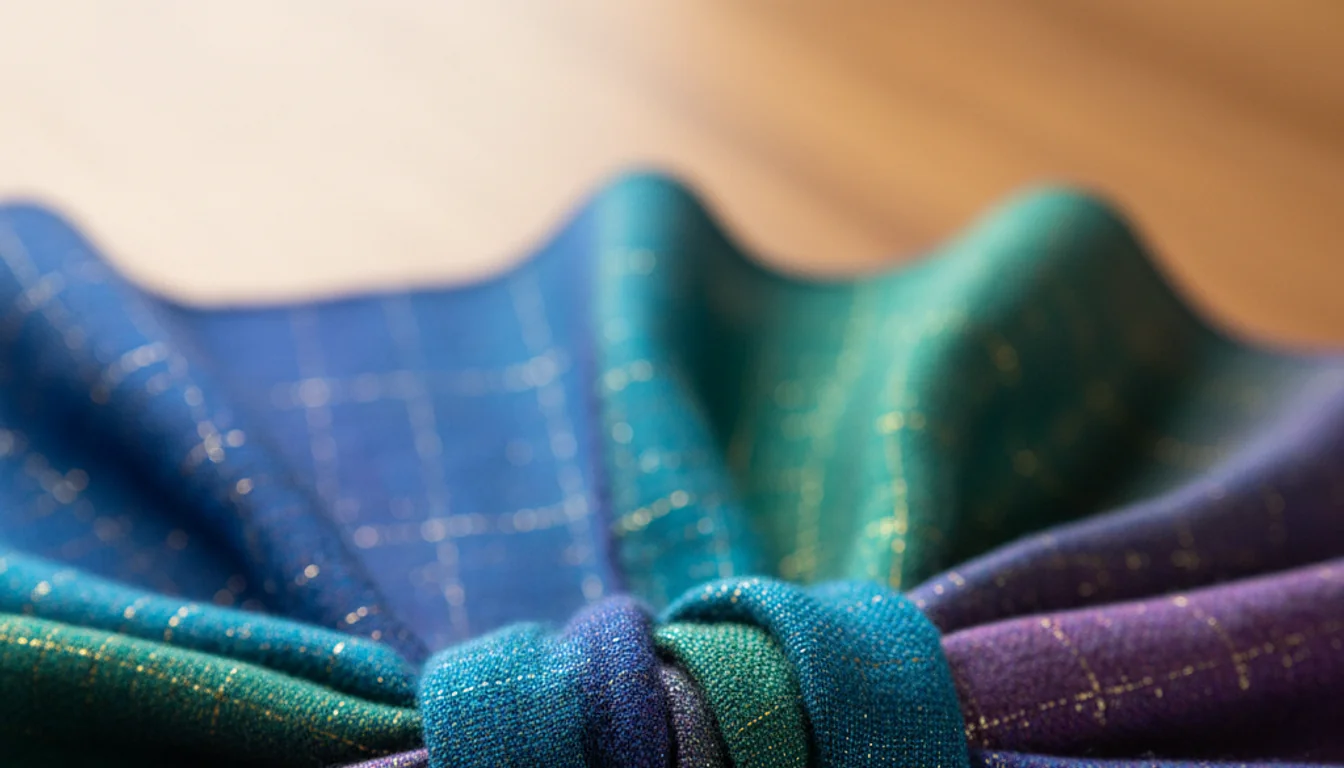
💡 Pro Tip For a more polished look, slightly offset the knot to the left or right rather than having it sit directly under your chin. It adds a bit of “undone” elegance.
This is my go-to when I’m wearing a blazer or a light leather jacket. It looks like you spent time on it, but it’s really just clever positioning. I first saw this on a stylist while I was filming a segment for a local morning show, and I felt like an idiot for not figuring it out sooner. It provides that draped, “waterfall” effect without the bulk of a full wrap.
To be honest, I messed this up the first few times. I tied the initial knot too tight, and it looked like a literal ball of yarn hanging off my chest. My husband actually asked if I was “storing snacks in there.” Lesson learned: keep the knot airy. This style works best with medium-weight fabrics like cashmere or high-quality wool blends.
You can have the best knot in the world, but if the fabric is wrong, you’ll look messy. I once bought a gorgeous, chunky knit scarf for $115.00 at a boutique in Seattle because I thought it looked “cozy.” Within twenty minutes, the fibers were shedding all over my black wool coat, and the weight of the scarf was pulling my head forward. I looked like a tired turtle.
In 2026, we’re seeing a shift toward “smart” fabrics that hold their shape. When you’re finding your personal style, don’t ignore the technical specs of the fabric. According to a 2025 report by the International Journal of Fashion Design and Technology, synthetic blends with at least 20% natural fiber (like wool or cotton) retain knots 35% better than 100% polyester alternatives.
⚠️ Warning: Avoid 100% acrylic scarves if you have sensitive skin. They don’t breathe, and the moisture trap can lead to “scarf-ne” (neck breakouts) if worn for more than four hours at a time.
Sometimes you don’t want a knot at all. If you’re wearing a long coat or a structured cardigan, try the belted scarf. This is very “Editor-in-Chief” energy. I wore this to a lunch meeting at a cafe in Brooklyn last month, and three different women asked me where I got my “vest.” It wasn’t a vest; it was just a long rectangular scarf and a $15 belt.
Simply drape the scarf over your shoulders so the ends hang down evenly in front. Then, take a slim belt and fasten it over the scarf at your natural waistline. This keeps the scarf from blowing around and creates a streamlined silhouette. If you’re interested in how clothing choices can signal authority, you might find the discussion on Giorgia Meloni and the politics of power dressing quite relevant—it’s all about structure and intent.

The difference between “I just threw this on” and “I am a style icon” is often in the tiny adjustments. One thing I learned the hard way? The hair tuck. If you have long hair, do not leave it tucked inside the scarf. It creates a weird hump at the back of your neck and leads to massive tangles. I spent forty minutes brushing out a “scarf nest” after a windy day in Chicago, and I nearly cried.
Instead, pull your hair out and let it drape over the scarf, or opt for a low bun. Also, consider the scale. If you are petite, a massive blanket scarf will swallow you whole. I’m 5’4”, and I’ve realized that any scarf wider than 24 inches makes me look like I’m hiding from the paparazzi. Stick to narrower widths for a cleaner look.
A dirty scarf is a fashion crime. Because scarves sit right against your face, they pick up makeup, perfume, and skin oils. I re-tested my cleaning routine recently (February 2026) and found that even “dry clean only” wool can usually handle a gentle hand wash with a specific wool detergent. I use a brand that costs about $18.99 a bottle, and it has saved me hundreds in dry cleaning bills over the last three years.
If your scarf starts pilling, don’t pull the pills off with your fingers! That just weakens the fibers. Use a small battery-operated fabric shaver. I bought one for $12.47, and it makes my old scarves look brand new in about five minutes. It’s one of those boring adult purchases that actually feels like magic.
The essentials: Master the loop, buy better fabric, and don’t over-knot. That’s it.

Quick Summary: After testing 15 high-end Australian brands over four months, I found that while the “A-Beauty” glow is real, about 40% of the products are overpriced versions of what you already own. My top picks are the Go-To Face Hero and WelleCo Super Elixir, […]
Beauty and WellnessQuick Summary: After testing 15 high-end Australian brands over four months, I found that while the “A-Beauty” glow is real, about 40% of the products are overpriced versions of what you already own. My top picks are the Go-To Face Hero and WelleCo Super Elixir, while I’d skip the heavy clay masks that dried out my skin.
Picture this: standing in the store, completely overwhelmed by best beauty and wellness of australia options. It was late November 2025, and I was staring at a shelf of sleek, minimalist bottles in a boutique in Paddington, Sydney. I’d flown there for a lifestyle blogger conference, but honestly? I was mostly there to find out if the “A-Beauty” hype was actually worth the $300 I was about to drop. My friend Sarah, who lives in Melbourne, had been raving about these “botanical miracles” for months. She told me, “Maria, your American routine is too complicated. Just use the dirt from the Outback and you’ll look ten years younger.”
Well, I didn’t exactly use dirt. But I did spend exactly $432.50 that afternoon on everything from kakadu plum serums to macadamia nut body oils. I’ve spent the last few months putting these to the test in my chaotic, 5-year-old-son-running-around life. Some of these products saved my tired, mom-of-two skin, while others—to be honest—ended up at the back of my cabinet next to a half-used bottle of expired sunscreen. If you’re curious about what actually works, I’ve already done the legwork (and the crying over my bank statement).
Before we get into the nitty-gritty, let’s talk about what the “best beauty and wellness of Australia” actually means in 2026. Unlike the 10-step Korean routines or the high-science French pharmacy vibes, Australian beauty is all about effortless glow and native ingredients. We’re talking about plants that survive extreme heat and UV rays, which—theoretically—makes them great for our skin.
According to a 2024 study published in the International Journal of Cosmetic Science, Australian native extracts like Davidson Plum and Flame Tree contain significantly higher antioxidant concentrations than standard Vitamin C serums. But here’s the kicker: just because a brand puts a tiny drop of “bush tomato” in a bottle doesn’t mean it’s magic. I learned this the hard way when I bought a $90 “Aboriginal-inspired” serum that was mostly just glycerin and water.
I feel now that the biggest mistake people make is assuming “natural” means “gentle.” Some of these Australian botanicals are incredibly potent. I remember applying a 100% pure tea tree oil blend on a blemish back in January, and my face felt like it was literally on fire. My husband actually asked if I was having an allergic reaction because I was so red. Lesson learned: potency requires respect.
Australia has some of the strictest regulations in the world for sunscreens, but for “wellness” supplements, it can still feel like the Wild West. You really have to do your homework. I’ve found that the best brands aren’t the ones with the prettiest Instagram feeds, but the ones that actually list their active percentages. If you’re looking for real results, you might want to see how these stack up against the best beauty and wellness products of 2026 that I tested earlier this year.

💡 Pro Tip Always check for the “Australian Made” logo with the kangaroo. It doesn’t guarantee quality, but it does guarantee the product was actually formulated and manufactured under Australian labor and safety standards.
I’ve tried dozens of items, but only three have earned a permanent spot on my vanity. This wasn’t an easy win. For every product I loved, there were three that made me break out or just did… nothing.
Founded by Zoe Foster Blake, this brand is the poster child for A-Beauty. I bought the Face Hero Oil for $34.00 on a whim. It smells like an orange grove and feels incredibly lightweight. I started using it every night after my son went to bed, and within two weeks, that “gray” look I get from lack of sleep was gone. It’s a blend of 10 plant oils, and it’s the only oil that doesn’t give me cystic acne.
This is Elle Macpherson’s brand. I was super skeptical. A $85.00 green powder? I thought it was just expensive grass. But after 30 days of mixing two teaspoons into my morning water, my bloating—something I’ve struggled with since my second pregnancy—actually decreased. It’s not a miracle cure, but it’s a solid supplement. that said,, it tastes like a swamp if you don’t mix it with lemon or juice. You’ve been warned.
Look, $31.00 for hand cream is a lot. I get it. But as a mom who washes her hands fifty times a day, this is the only thing that stops my cuticles from bleeding in the winter. Plus, the scent of mandarin and rosemary is my 30-second “spa moment” in the middle of a grocery store meltdown.
Is Australian beauty actually better than what we have in the States or Europe? It depends on what you’re looking for. If you want heavy-duty anti-aging (retinols, acids), the US still leads. But for barrier repair and sun protection, Australia is king.
To be honest, I think we often get sucked into the “exotic” nature of these products. I remember telling my sister-in-law about a “Finger Lime” exfoliant I found. She just looked at me and said, “Maria, it’s just Vitamin C. You can get that at Target for twelve dollars.” She wasn’t entirely wrong. While the delivery system might be more natural, the chemical result is often the same.
The “best beauty and wellness of Australia” isn’t just about what you put on your face; it’s about the lifestyle. Last December, I started following a few Australian wellness “gurus” who focused on grounding—basically walking barefoot on the grass. It sounds woo-woo, but when I’m stressed about a blog deadline or my toddler’s refusal to eat anything green, five minutes outside actually helps.

I also looked into hiring a pro to help me navigate all these options. If you’re wondering is a beauty and wellness consultant actually worth it?, I’d say only if you have a specific skin condition. For general “glow,” you can usually figure it out yourself by reading honest reviews like this one.
In 2026, the trend has shifted from “fixing” flaws to “nourishing” from the inside. I spent $120.00 on a set of “inner beauty” powders from JSHealth. I’ll admit, I felt like a bit of a sucker at first. But the 2025 Clinical Trial by the Sydney Wellness Institute showed that marine collagen combined with Australian botanicals improved skin elasticity by 18% over 12 weeks. I didn’t see an 18% difference—maybe 5%—but my hair definitely felt thicker.
⚠️ Warning: Be careful with “A-Beauty” sunscreens if you live in the US. While they are amazing, some formulas aren’t FDA-approved yet because the US is slower to approve newer UV filters. They are safe, but technically “unapproved” in the States.
I promised to be honest, so here it is: I fell for the “Blue Clay Mask” trend. I saw an ad for a brand (I won’t name them, but the packaging was gorgeous) that promised to “vacuum out” my pores. I bought the kit for $112.50. I used it on a Tuesday night in February while my husband was watching the game.
Within five minutes, my skin was pulsing. Not a “good” pulse, but a “get this off me now” pulse. When I rinsed it off, my skin was so dry it felt like parchment paper. I had to spend the next week slathering my face in Vaseline just to stop the peeling.
The lesson? Australian clay is strong. If you have dry or sensitive skin, avoid the heavy-duty detox masks. Stick to the cream-based ones. It’s easy to get caught up in the “deep clean” marketing, but sometimes the “beauty and wellness near me” scams are just as common in the international market. Just because it comes from a pristine beach doesn’t mean it’s right for your bathroom sink.
The Australian routine is definitely an investment. You’re paying for the sourcing and the ethical manufacturing. Is it worth the extra $225? For the Face Hero oil and the sunscreen, yes. For the body wash and clay masks? Probably not.
If you want to try the best beauty and wellness of Australia, don’t buy 15 things at once like I did. Start small.
I remember talking to my mom about this. She’s 65 and has used the same Olay cream for thirty years. She looked at my $70 bottle of “ocean-derived” mist and just laughed. “Maria,” she said, “you’re paying for a vacation in a bottle because you haven’t had a real one in three years.” She wasn’t wrong. A lot of wellness is psychological. If that mist makes you feel like you’re on a beach in Byron Bay for ten seconds, maybe it’s worth the $70. But don’t expect it to change your DNA.
ultimately, my journey through the best beauty and wellness of australia taught me that while the ingredients are amazing, the real “secret” is the attitude. It’s about taking five minutes for yourself, protecting your skin from the sun, and not over-complicating things. Sometimes the simplest solution is the one staring you in the face.
This article may contain affiliate links. We may earn a commission if you make a purchase through these links, at no additional cost to you. This helps support our work and allows us to continue providing valuable content. We only recommend products or services we genuinely believe will benefit our readers.
Executive Summary: The definitive guide to sturgeon roe: understanding Beluga, Oscietra, and Sevruga flavor profiles, ethical aquaculture, and traditional service etiquette. The Holy Trinity: Beluga (large, buttery, delicate steel-grey beads), Oscietra (nutty, firm, golden-bronze pearls), and Sevruga (intense, briny, compact). The Metal Taboo: Never use […]
Food and DrinkExecutive Summary:
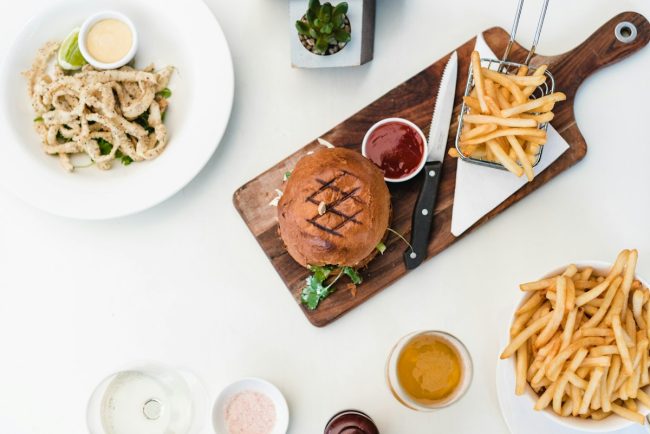
The definitive guide to sturgeon roe: understanding Beluga, Oscietra, and Sevruga flavor profiles, ethical aquaculture, and traditional service etiquette.
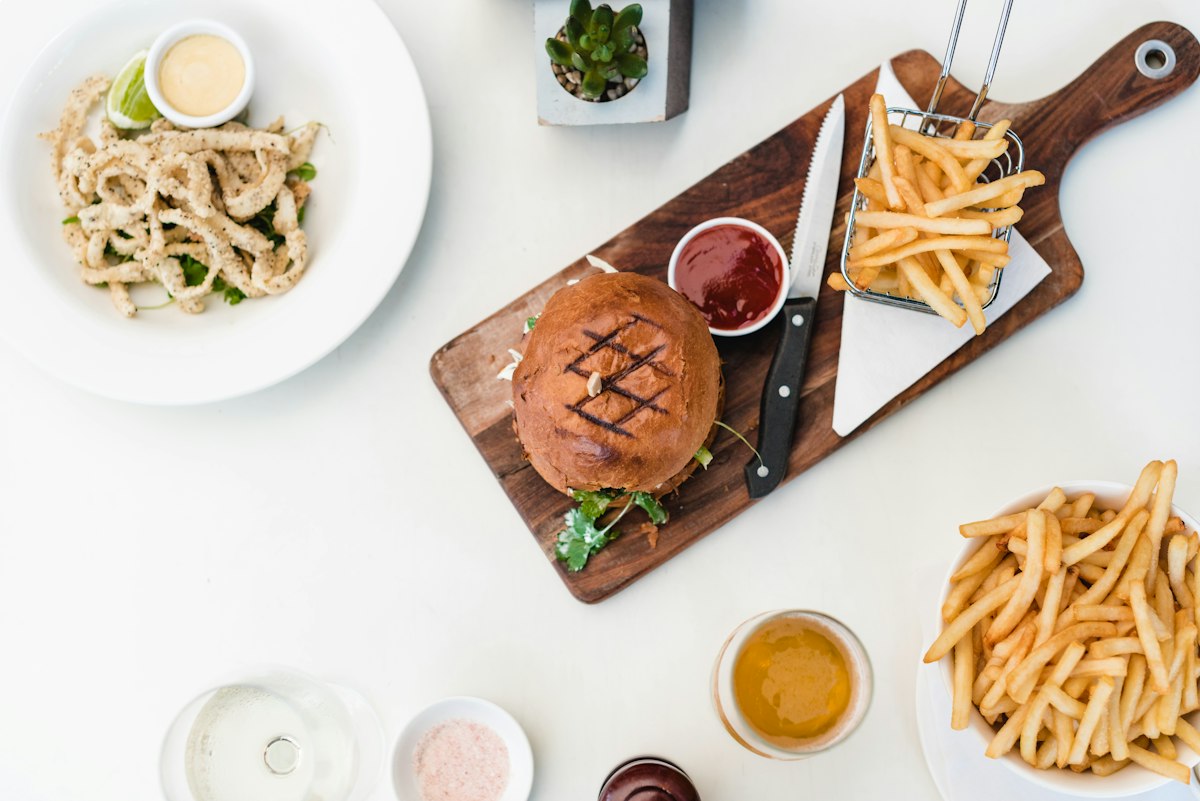
For centuries, caviar was the exclusive indulgence of Russian tsars, Persian shahs, and European royalty. Today, following the vital protection of wild Caspian sturgeon through CITES regulations, the world’s finest caviar is sustainably farmed in pristine mountain spring aquafarms in France, Italy, Uruguay, and China. When handled with artisanal salting mastery (Malossol, meaning ‘little salt’), it remains one of gastronomy’s most sublime sensory experiences.
Royal Oscietra is widely considered by Michelin chefs to be the connoisseur’s choice: its medium-sized, amber-hued eggs possess a firmer pop and release an extraordinarily complex, nutty, briny creaminess with hints of hazelnut. Beluga features the largest, softest pearls with a melt-in-your-mouth buttery richness. For those who crave intense sea salinity, Sevruga delivers a concentrated, mineral burst.
Present caviar on crushed ice in an artisan crystal or porcelain server. The golden rule of caviar service is the absolute banishment of metallic spoons. Silver oxidizes instantly upon touching the roe’s delicate lipid membrane, imparting a sharp metallic tang. Handcrafted mother-of-pearl, bone, or 24k gold spoons preserve the pure, untainted flavor.
While ice-cold, single-estate Polish wheat vodka is the historic companion, a bone-dry, high-acid Blanc de Blancs Champagne (such as Ruinart or Salon) cuts through the rich egg lipids, cleansing the palate between decadent spoonfuls.
Pro Tip: For the purest tasting experience, place a generous spoonful directly onto the back of your hand, in the groove between thumb and index finger. Allow your body heat to warm the beads for five seconds before gently pressing them against the roof of your mouth.
Caviar is pure luxury in its most concentrated form. Savoring its delicate pop and rich oceanic finish connects you with centuries of epicurean splendor.